Hey there, fellow adventurers and storytellers! Have you ever noticed how a simple game night can transform into an epic saga, where every dice roll or card played adds a new twist to a captivating tale?
I certainly have, and honestly, it’s one of my absolute favorite things about modern board gaming. It’s truly amazing how the industry has moved beyond just simple mechanics to create intricate worlds where every choice you make genuinely shapes a unique, evolving narrative.
I’ve personally found that the best board games aren’t just about winning or losing; they’re incredible platforms for collaborative storytelling, fostering a kind of creative energy you rarely find elsewhere.
Think about those unforgettable moments: the daring gambits, the unexpected betrayals, the heroic sacrifices that become legendary among your gaming group long after the pieces are put away.
This beautiful synergy between tactile play and limitless imagination isn’t just a trend; it’s a powerful way to engage our minds and build connections.
In a world brimming with digital distractions, there’s a profound, almost primal satisfaction in gathering around a table, physically interacting with components, and collectively weaving a story that’s uniquely yours.
It’s about unlocking that inner bard and experiencing narrative in a wonderfully interactive way. This blend of tangible experience and boundless creativity is, in my humble opinion, the secret sauce that makes board games and creative storytelling such a dynamic duo for the modern age.
Let’s dive in deeper below and discover how you can unleash your own storytelling prowess through the magic of board games!
Unlocking Your Inner Narrator: Board Games as Storytelling Arenas
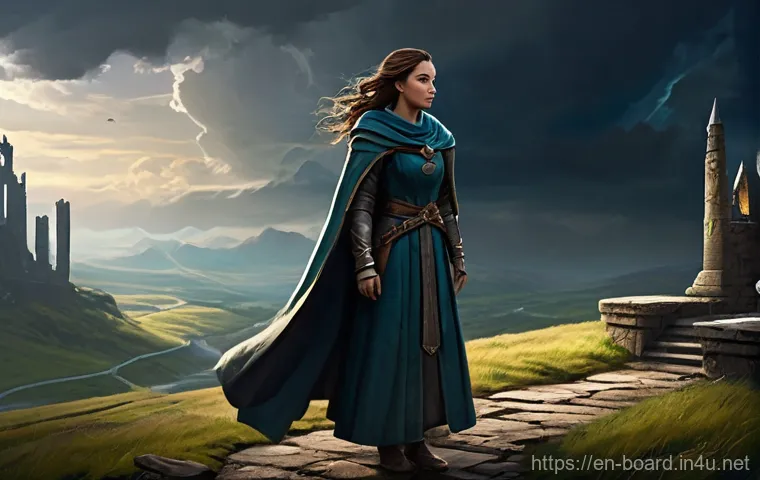
You know that feeling when you’re deeply engrossed in a movie or a great book, and you find yourself not just watching or reading, but *living* the story? Well, for me, that’s exactly what happens when I dive into the right board game. It’s not just about pushing pawns or collecting resources; it’s about the incredible, often chaotic, and always unique stories that unfold right there on your tabletop. I’ve spent countless evenings with friends, laughing, gasping, and sometimes even shedding a dramatic tear as our collective choices weave narratives far more intricate and personal than any pre-written script could offer. There’s a certain magic in seeing a simple dice roll transform into a pivotal moment, or a well-timed card play change the entire trajectory of an adventure. It’s truly a collaborative art form, where everyone at the table contributes to the lore. I’ve personally found that these games often spark the best conversations and create the most vivid memories, lingering long after the components are packed away. It’s like we’re all improvisational actors in our own mini-series, and the game itself is just the stage director, offering prompts but letting us fill in the emotional blanks and heroic declarations. Trust me, if you haven’t experienced this side of board gaming, you’re missing out on some truly unparalleled creative satisfaction.
From Mechanics to Moments: The Birth of a Narrative
It’s fascinating how even the simplest mechanics can become the backbone of a sprawling tale. Think about a game where you’re just moving workers around a board to gather wood or stone. Sounds mundane, right? But then, suddenly, a rival player blocks your crucial path, or you draw an event card that triggers a famine in your nascent village. These aren’t just gameplay events; they immediately become plot points. “Remember when Sarah’s relentless expansion forced us to raid the goblin mines?” or “That disastrous winter that nearly wiped out our entire food supply – we barely survived!” These anecdotes, born purely from the game’s systems, are the essence of emergent storytelling. I’ve seen players, myself included, naturally start to personify their game pieces, giving them motives and personalities. It’s an organic process where the rules provide the framework, and our imaginations paint the vibrant details, turning abstract actions into meaningful events. This is where the game truly transcends its cardboard and plastic, becoming a living, breathing story that’s unique to your group.
The Thrill of Unscripted Drama: When Choices Matter
What sets these experiences apart from, say, a video game with a branching storyline, is the sheer unpredictability and the immediate, human interaction. When you’re making a tough decision in a board game, the stakes feel incredibly real because you’re looking your friends in the eye, seeing their reactions, and collectively building something together. I’ve been in situations where a single choice – whether to betray an ally for personal gain or sacrifice a turn to help another player – has led to gasps, heated discussions, and legendary moments that we talk about for years. These aren’t just pre-programmed outcomes; they are genuine, unscripted dramas played out in real-time. The emotions are raw, the camaraderie is palpable, and the narratives that emerge are deeply personal because everyone has had a hand in shaping them. It’s a powerful feeling to know that your actions, your strategies, and even your blunders are contributing directly to a story that no one, not even the game designer, could have fully predicted.
Building Worlds, One Decision at a Time
Imagine sitting down with a fresh, unopened box, and knowing that within those components lies not just a game, but a universe waiting to be discovered and shaped by you and your friends. That’s the exhilarating promise of many modern board games. I’ve personally invested countless hours poring over rulebooks, not just to understand mechanics, but to soak in the lore, the world-building, and the potential stories lurking beneath the surface. From the desolate, alien landscapes of a sci-fi epic to the ancient, mist-shrouded forests of a fantasy adventure, these games offer incredible backdrops for our imaginations to run wild. The art, the miniatures, the flavor text on the cards – it all works in concert to transport you. I remember one game night where a particular piece of card art, depicting a lone explorer gazing out at a forgotten city, inspired an entire side-narrative for our characters, even though it had no direct bearing on the game’s victory conditions. It’s that kind of immersion that turns a simple game into a truly epic journey, where the world feels less like a static map and more like a vibrant, evolving canvas for our shared adventures.
Crafting Character Arcs Through Play
One of the most rewarding aspects of storytelling through board games is watching your “character” — whether it’s your specific player avatar or just your general faction – evolve over the course of a campaign. I’ve had characters who started as timid explorers and became hardened veterans, or leaders who began as benevolent rulers only to be corrupted by power. These aren’t pre-written arcs; they are shaped by the choices you make, the triumphs you achieve, and the setbacks you endure. Did your character bravely face down a monster, or cunningly avoid a direct confrontation? Did they make a difficult moral choice that affected their standing with other factions? These in-game decisions imbue your character with personality and history, making their eventual fate, whether glorious or tragic, feel deeply earned. It’s like co-authoring a novel where everyone’s character gets a spotlight, and their growth is a direct result of the interactive narrative you’re all building together. This personal investment in the characters makes the entire experience so much richer and more emotionally resonant.
The Power of Randomness and Unexpected Twists
Let’s be real, sometimes the best stories come from the most unexpected places. And in board games, that often means the glorious, maddening unpredictability of a dice roll or the flip of a deck. I’ve seen entire campaigns pivot on a single bad roll at a critical moment, turning what seemed like a guaranteed victory into a desperate scramble for survival. Or, conversely, a lucky draw might reveal a hidden solution that nobody saw coming, completely altering the storyline. These aren’t just random events; they become the dramatic turning points in our collective sagas. “Remember when Gary rolled a critical failure and his mighty warrior slipped on a banana peel, dropping the ancient artifact right into the lava pit?” It sounds silly, but these are the moments that truly make a game night legendary. They force players to adapt, to think on their feet, and to creatively explain the narrative reason behind a sudden twist of fate. This embrace of randomness is what keeps the stories fresh and ensures that no two playthroughs are ever quite the same, always leaving room for surprise and delight.
Transforming Game Nights into Unforgettable Sagas
For me, a truly great game night isn’t just about finishing a game; it’s about the stories we’ll tell about it afterward. I mean, who doesn’t love recounting that epic moment when your underdog team pulled off an impossible victory, or when a last-ditch effort completely backfired in spectacular fashion? These tales become part of your group’s shared history, little legends that grow with each retelling. It’s not just the mechanics, but the shared emotional journey that binds us. I’ve found that actively encouraging this storytelling – asking “What happened next?” or “Why did your character do that?” – really elevates the experience. It transforms players from passive participants into active co-authors of an unfolding saga. The best part is that these stories often evolve and get embellished over time, becoming even grander and more hilarious with each recounting, cementing those memories into something truly special.
The Art of Collaborative Story Weaving
One of the most beautiful aspects of modern board games is how they foster collaborative storytelling. It’s not just one person’s tale; it’s a tapestry woven by everyone at the table. I’ve personally found that the most memorable sessions are those where players aren’t just focused on their own victory points, but are actively engaging with each other’s narratives. Maybe one player’s decision to raid a monster den inadvertently draws attention away from another’s hidden agenda, creating an unscripted alliance or rivalry. These interactions, fueled by the game’s framework, become crucial plot developments. We’re all contributing threads to a larger narrative, building upon each other’s successes and failures. This communal act of creation is incredibly powerful, transforming a simple game into a shared imaginative journey. It’s a wonderful reminder that some of the best stories aren’t just told, but are lived and created together.
Building Personal Connections Through Shared Adventures
Beyond the dice and the cards, the true magic of these storytelling games lies in their ability to forge deeper connections between people. I’ve seen shy friends open up, boisterous friends engage in thoughtful role-playing, and new acquaintances become fast friends over a shared peril or a hilarious mishap. These games create a unique social space where imagination is celebrated, and collective problem-solving strengthens bonds. It’s more than just a casual get-together; it’s an immersive experience that encourages empathy, communication, and creative thinking. I remember one particular game where a seemingly insignificant choice by one player unexpectedly saved another from certain doom, creating a lasting inside joke and a palpable sense of camaraderie that transcended the game itself. These shared adventures, with all their dramatic highs and lows, become the bedrock of lasting friendships and unforgettable memories. It’s a testament to the power of stories to bring us closer together.
Beyond the Box: Finding Your Narrative Niche
With so many incredible games out there, how do you even begin to find the ones that will truly spark your storytelling spirit? It can feel a bit overwhelming, right? My advice, based on years of diving headfirst into this hobby, is to think about what kind of stories you love to experience. Are you into epic fantasy quests, gritty sci-fi survival tales, or perhaps something more whimsical and collaborative? There’s truly a game for every narrative taste. I’ve found that exploring different genres and mechanics can uncover hidden gems you never knew you’d love. Don’t be afraid to step outside your comfort zone! Sometimes the most unexpected games turn out to be the most fertile ground for incredible stories. And remember, the game itself is just the foundation; your imagination, and the imaginations of your fellow players, are what truly bring the narrative to life. It’s about finding that sweet spot where the mechanics inspire, rather than dictate, your adventures.
Tabletop RPGs vs. Story-Driven Board Games
While we’re talking about storytelling, it’s worth a quick moment to differentiate between full-blown Tabletop Role-Playing Games (TTRPGs) like D&D and the story-driven board games we’ve been discussing. Both are fantastic for narrative, but they offer different experiences. TTRPGs give you almost limitless freedom, with a Dungeon Master (DM) or Game Master (GM) improvising and building the world on the fly. Board games, on the other hand, provide a more structured narrative framework. They use cards, event decks, and specific rules to guide the story, often in a more self-contained way. I’ve dabbled in both, and while TTRPGs offer unparalleled creative freedom, the accessibility and streamlined nature of story-driven board games make them perfect for those who want a rich narrative experience without the extensive preparation or improvisation required for a full-fledged RPG. They’re a fantastic stepping stone, or simply a different flavor of storytelling fun, offering a blend of strategic play and unfolding narrative that’s hard to beat.
Curating Your Storytelling Library
Over the years, I’ve developed a bit of a knack for spotting games that are not just fun, but truly excel at telling a story. When you’re looking to build your own collection, I recommend keeping an eye out for games that feature branching narratives, legacy elements where the game permanently changes, or strong thematic integration. Look for games where player choices genuinely feel impactful and where the components themselves tell a story. Reading reviews from other players who emphasize narrative over pure strategy can also be a huge help. My personal experience has shown me that a diverse library, spanning different genres and narrative styles, will keep your game nights fresh and ensure you always have a new tale to spin. It’s about investing in experiences, not just games, and curating a collection that promises endless opportunities for imaginative adventure.
Enhancing Your Storytelling with Simple House Rules
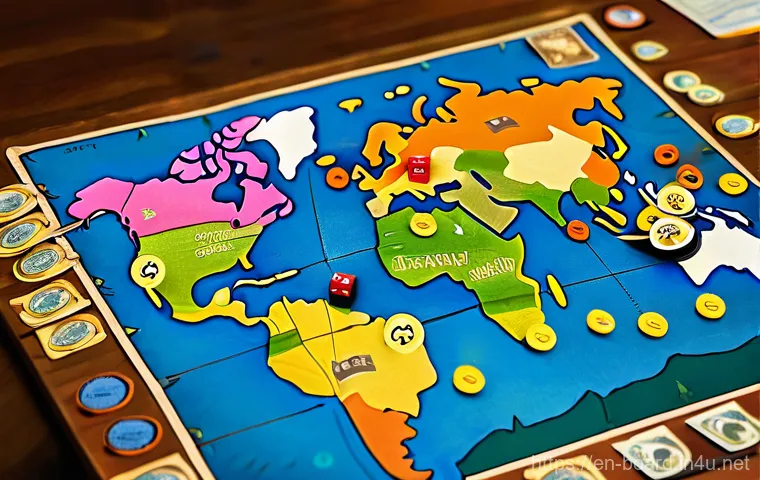
Sometimes, even the most story-rich board games can benefit from a little nudge to really bring the narrative to the forefront. I’ve found that introducing simple house rules, or even just a shared mindset at the table, can dramatically enhance the storytelling aspect. For example, my group often adds a rule that when a character is defeated in a combat-heavy game, the player must narrate their dramatic last stand or their sorrowful retreat, rather than just removing the miniature. Or, if a player is performing a particularly clever move, we might ask them to explain the “why” behind their character’s actions. These small, voluntary additions encourage everyone to lean into the narrative and see every game event as a plot point. It transforms the gameplay from a series of turns into a continuous, unfolding story that everyone is actively contributing to, making the experience far more engaging and memorable. It’s about creating a culture at your table where the narrative is just as important, if not more important, than the victory points.
Role-Playing Beyond the Rules
You don’t need a full-blown RPG to inject some role-playing into your board game nights. In fact, some of my most cherished memories come from moments where players spontaneously adopted a character voice or offered a dramatic monologue about their intentions. I’ve personally found that even a little bit of in-character banter can profoundly deepen the narrative. When someone declares their move not as “I’m playing this card,” but as “My daring rogue sneaks into the shadows to disable the ancient alarm system,” the entire table leans in. It transforms the abstract game pieces into living entities within a shared world. Encourage your group to do this, even if it’s just for a few lines. You’ll be amazed at how quickly everyone gets into the spirit, and how much more vibrant and personal the story becomes. It’s about letting your inner actor out, even if just for a moment, and letting the game become a stage for your impromptu performance.
Adding Thematic Descriptions to Actions
This is a super simple yet incredibly effective tip I picked up over the years: instead of just stating your move, try to describe it thematically. Instead of saying, “I’m moving two spaces and attacking,” you might say, “My seasoned warrior bravely charges across the treacherous bridge, aiming a mighty blow at the monstrous troll’s knee!” It takes a split second longer, but it completely transforms the experience. I’ve found that when one person starts doing this, it often becomes contagious, and soon everyone is narrating their actions. It helps everyone at the table stay immersed in the game’s world and follow the unfolding narrative more easily. It’s a small change that yields huge dividends in terms of engagement and storytelling, making every turn feel like a meaningful beat in your collective adventure. Give it a try; you might be surprised how much more vivid your game nights become.
The Evolution of Storytelling in Modern Board Games
It’s genuinely incredible to witness how far board games have come in their capacity for storytelling. When I first started playing, many games were largely abstract, focusing purely on mechanics and strategy. While those are still fantastic in their own right, the industry has really blossomed, embracing narrative as a core component. Designers are now meticulously crafting rich lore, developing intricate characters, and building worlds that feel truly alive. I’ve seen games evolve from simple “roll and move” mechanics to complex narrative engines with branching paths, difficult moral choices, and lasting consequences. It’s a testament to the creativity of game designers and the growing demand from players like us who crave deeper, more immersive experiences. This evolution isn’t just about bigger rulebooks; it’s about a fundamental shift in what board games can achieve, proving they are a powerful medium for collaborative and emergent storytelling that rivals any other form of entertainment. It’s an exciting time to be a board gamer, with new narrative innovations appearing all the time.
Legacy Games: Narratives That Evolve and Endure
One of the most groundbreaking developments in recent board gaming history, in my humble opinion, is the rise of legacy games. These aren’t just games you play; they’re experiences that permanently change over multiple sessions, often involving tearing up cards, placing stickers on the board, or even revealing hidden components. The brilliance of legacy games lies in their ability to create an overarching, deeply personal narrative that unfolds across an entire campaign. I’ve played through legacy games where our board ended up looking completely different from when we started, scarred by our victories and defeats, adorned with new locations and characters. The choices we made in one session would have profound, irreversible consequences in later ones, making the story feel incredibly organic and unique to our group. It’s like co-writing an epic novel, chapter by chapter, with each decision etching itself into the very fabric of the game. If you’re looking for a board game experience that truly tells a saga, legacy games are an absolute must-try.
Campaign Modes: Extended Adventures and Character Growth
Beyond legacy games, many modern board games now offer robust campaign modes, which string together multiple scenarios or missions to form a longer, more cohesive narrative. These campaigns often allow your characters or factions to grow, gain new abilities, and carry over experience from one session to the next. I’ve personally spent dozens of hours with campaign-driven games, seeing my humble beginnings transform into epic sagas. The beauty of these modes is how they allow for complex character arcs and a sense of persistent progress that you rarely get in a single-session game. Each mission feels like a chapter in a larger story, with successes and failures contributing to the overall plot. It’s a fantastic way to immerse yourself in a game’s world and watch your story unfold over an extended period, making the eventual conclusion, whatever it may be, feel incredibly satisfying and earned. It’s like having your own custom-made mini-series playing out right on your tabletop.
| Storytelling Element | How Board Games Deliver | My Personal Takeaway |
|---|---|---|
| Emergent Narrative | Player choices and random events create unique, unscripted plots. | Every game is a fresh canvas for unforgettable anecdotes and “remember when…” moments. |
| Character Development | In-game decisions and persistent effects shape character arcs over campaigns. | Watching my character evolve from a novice to a legend feels genuinely earned and deeply satisfying. |
| World Building | Immersive art, lore, and component design transport players to rich settings. | I love exploring new universes and seeing how my actions contribute to their history. |
| Collaborative Play | Players work together or against each other, weaving a shared story tapestry. | The best stories are the ones we create together, building stronger bonds and shared memories. |
| Emotional Investment | High stakes, dramatic twists, and personal choices create powerful feelings. | From gasps of surprise to cheers of victory, the emotional roller coaster is half the fun! |
Igniting Your Creative Spark: Beyond the Box
So, you’ve finished a fantastic game, packed away the components, but the story is still buzzing in your head. What then? This is where the magic truly continues, and your creative spark can really take flight. I’ve found that the best board games don’t just provide an experience; they inspire further creativity long after the game is over. Whether it’s discussing alternative endings with your friends, sketching out fan art of your favorite characters, or even writing short stories based on your campaign, the narrative potential extends far beyond the confines of the rulebook. It’s a wonderful feeling to know that a simple game night can kickstart your imagination and lead to even more creative endeavors. Don’t let those epic tales fade away; keep them alive and let them fuel your own creative pursuits. The tabletop is just the beginning of the adventure, not the end.
Post-Game Debriefs: Reliving the Epic
One of my absolute favorite rituals after a particularly engaging game session is the “post-game debrief.” This is where everyone gets to recount their perspective of the game’s events, highlighting their personal victories, near-misses, and hilarious blunders. It’s a fantastic way to piece together the full narrative, as different players often focus on different aspects of the story. I’ve found that these conversations are where the “legends” are truly born and solidified. “Remember when John single-handedly held off the zombie horde while we escaped?” or “That time Sarah’s daring bluff won us the entire round!” These are the moments that become inside jokes and cherished memories, proving that the storytelling continues long after the dice have stopped rolling. It’s a simple act, but it amplifies the impact of the game and cements those shared experiences into your group’s collective lore.
Fan Fiction and Artistic Expressions
If a game truly captures your imagination, why stop at just playing it? The rich lore and emergent narratives of many board games are ripe for further creative exploration. I’ve personally seen incredible fan fiction, stunning artwork, and even custom-made expansions born from the passion inspired by these games. Think about it: you’ve just co-authored an epic saga; why not write down the most memorable parts, or sketch out what your character might look like after their arduous journey? It’s a fantastic way to engage with the material on a deeper level and keep the story alive. Whether you’re sharing your creations with your gaming group or keeping them as a personal memento, these artistic expressions are a beautiful way to honor the unique narratives that board games so powerfully inspire. Let your imagination run wild; the game’s universe is now your creative playground!
글을 마치며
Well, folks, it’s clear by now that for me, board games are so much more than just a pastime. They’re these incredible portals to shared adventures, collective narratives, and genuinely unforgettable moments.
I truly hope that by sharing my own passion and experiences, I’ve sparked a little bit of that narrative curiosity in you. There’s a whole universe of stories waiting to be discovered on your tabletop, just begging for you and your friends to bring them to life.
So go on, roll those dice, flip those cards, and start writing your own epic sagas – I promise, you won’t regret it.
알아두면 쓸모 있는 정보
1. Don’t underestimate “Flavor Text”: Those little bits of descriptive text on cards or in rulebooks? They’re gold! They add so much to the atmosphere and can spark incredible narrative ideas for your game sessions. Always take a moment to read them aloud and let them set the scene.
2. Embrace the “Why”: When making a move, challenge yourself and your friends to explain *why* your character is doing something, not just *what* they’re doing. It deepens the immersion significantly and brings the abstract actions to life.
3. Thematic Play vs. Optimal Play: Sometimes, the most memorable stories come from making a thematically fitting decision rather than the statistically optimal one. Don’t be afraid to sacrifice a few victory points for a truly epic and memorable narrative moment.
4. Post-Game Story Time: Always, *always* take a few minutes after a game to recount the highlights. What were the funniest moments? The biggest upsets? The cleverest plays? This solidifies the narrative and turns fleeting gameplay into lasting memories and inside jokes.
5. Explore Different Genres: If you primarily play competitive games, try a cooperative storytelling game. If you love fantasy, try sci-fi or a historical narrative. Broadening your horizons will expose you to new ways stories can unfold on the table and keep things fresh.
중요 사항 정리
To truly elevate your board game nights into unforgettable storytelling experiences, remember these core principles that I’ve learned over countless hours at the table.
First, immerse yourselves – the art, the lore, and even the simple mechanics are all building blocks for your narrative. Lean into them and let them fuel your imagination.
Second, embrace player agency and improvisation. The most compelling stories are the ones *you* create through your choices, your successes, and yes, even your spectacular failures.
Don’t be afraid to role-play a little, describe your actions dramatically, and let your imagination fill in the gaps. Finally, and perhaps most importantly, cherish the shared experience.
These aren’t just games; they’re collaborative sagas that forge stronger bonds and create lasting memories with the people you play with. Focus on the journey and the collective tale you’re weaving, not just the victory condition.
It’s this beautiful blend of strategy, interaction, and imagination that makes board games such a powerful, unique, and endlessly rewarding medium for human connection and storytelling.
Trust me, once you start seeing the stories, you’ll never look at a board game the same way again.
Frequently Asked Questions (FAQ) 📖
Q: How do board games actually help us tell stories together?
A: Oh, this is such a fantastic question, and it really gets to the heart of why I adore modern board games! From my own experiences, it’s not just about what the game tells you, but what it lets you do.
Think about it: when you’re making a tough decision in a game, maybe sacrificing a resource for the greater good or choosing a risky path on the map, you’re not just moving a piece.
You’re becoming a character, living out their struggles and triumphs. The best games, in my opinion, are designed so that every choice you make, every dice roll (or lack thereof!), and every card you play isn’t just a mechanic; it’s a narrative beat.
For instance, in a cooperative game like “Sleeping Gods,” my group and I once found ourselves stranded on an uncharted island, and a series of desperate choices about scavenging for supplies and dealing with local wildlife led to a completely unique, nail-biting tale that felt truly ours.
We were the protagonists, and the game simply provided the canvas for our epic to unfold. It’s like being given a prompt, and then, together, you craft a saga you’ll talk about for years.
This direct involvement, where your actions are the story, is what sets board games apart for me.
Q: Which types of board games are best if I want to dive into storytelling?
A: If you’re eager to jump into the world of narrative board games, you’ve got some incredible options! I’ve found that games often fall into a few sweet spots for storytelling.
First, anything campaign-driven is usually a winner. Think of titles like “Gloomhaven” or “Frosthaven,” or even the cooperative mysteries in “Chronicles of Crime.” These games unfold over multiple sessions, allowing character arcs and a grander plot to develop organically.
Each game session builds on the last, and the choices you make in one scenario can genuinely impact future ones, which is just brilliant for immersion.
Then there are the “choose-your-own-adventure” style games, sometimes called “storybook games,” where the narrative literally branches based on your decisions, like “Sleeping Gods” or “Aftermath.” I remember one particularly intense evening with “Sherlock Holmes Consulting Detective” where my friends and I felt like genuine sleuths, piecing together clues from old newspapers and maps.
Deduction games like that, and even some immersive RPG-lite experiences, are phenomenal because they put you right in the shoes of the hero or detective.
They truly leverage your group’s collective imagination, which is a powerful thing to tap into. Many exciting new releases coming out in 2025 are leaning even more into these narrative elements, which is a dream come true for storytelling enthusiasts like me!
Q: Beyond just fun, what are the real benefits of integrating storytelling into my game nights?
A: Oh, the benefits go so much deeper than just having a good time, though that’s certainly a huge part of it! From my perspective, and from what I’ve seen in my own gaming group, collaborative storytelling through board games can truly strengthen bonds.
When you’re facing down a common enemy, or working together to solve a complex mystery, you’re not just playing a game; you’re building shared memories and overcoming challenges as a team.
This naturally boosts communication and problem-solving skills, because you have to talk through strategies, anticipate consequences, and often, get a little creative with your solutions.
There’s also this amazing mental engagement – it’s like a workout for your imagination! In a world where we’re constantly bombarded by pre-packaged entertainment, actively shaping a narrative with your friends is incredibly empowering and satisfying.
It taps into that primal human need to create and share stories. I’ve found it makes our game nights richer, more meaningful, and the stories we tell from those evenings often become legendary among us.
It’s truly a unique way to connect, challenge yourselves, and let your collective creativity soar.