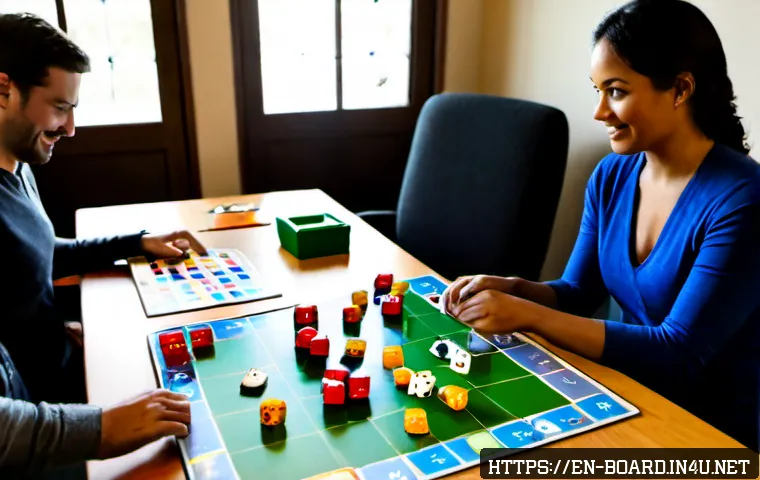
In today’s fast-paced digital world, finding meaningful ways to connect offline has become more important than ever. Board game clubs offer a perfect blend of social interaction, strategic thinking, and pure fun that’s capturing the hearts of communities everywhere.

Whether you’re a seasoned organizer or just starting out, mastering the secrets of managing a thriving board game club can transform casual meetups into unforgettable experiences.
Stick around as we dive into proven strategies that not only boost engagement but also keep the excitement alive, ensuring your club becomes the go-to spot for endless fun and camaraderie.
Ready to level up your game night? Let’s get started!
Creating a Welcoming Atmosphere That Keeps Players Coming Back
Setting the Tone with Friendly Communication
One of the first things I noticed when running a board game club is how much the vibe of the group shapes the experience. Greeting newcomers warmly and encouraging existing members to share their favorite games or strategies creates an inviting environment right off the bat.
It’s amazing how a simple “Hey, glad you’re here!” can instantly melt away any awkwardness. Personally, I make it a habit to introduce new players to others and suggest games that match their interests or skill level, which helps break the ice and sparks conversations naturally.
Keeping communication casual but respectful fosters a sense of belonging, making members eager to return week after week.
Designing the Space for Comfort and Convenience
Where you host your club meetings has a huge impact on how enjoyable the sessions feel. I’ve found that a well-lit, spacious room with comfortable seating and ample table space makes all the difference.
Avoid cramped setups where players feel squeezed in or have trouble organizing game components. If you’re at a public venue like a café or community center, chatting with the management about reserving a consistent spot can really help build routine and reliability.
Also, having easy access to snacks and drinks, whether provided or brought by members, adds to the casual, social vibe that keeps people relaxed and engaged.
Encouraging Inclusivity and Respect
A thriving board game club thrives on respect for all skill levels, backgrounds, and play styles. I’ve seen firsthand how gently reminding players to be patient with newbies or to avoid overly competitive attitudes helps maintain a positive atmosphere.
Setting clear expectations at the start of each session about fairness and kindness prevents conflicts before they arise. Plus, celebrating different types of games—from cooperative to competitive, casual to strategic—ensures everyone finds their niche and feels valued.
This inclusive spirit not only boosts member retention but also attracts a wider variety of players eager to join in.
Strategizing Game Selection to Maximize Engagement
Balancing Familiar Classics with New Releases
Choosing which games to play can be a challenge, especially with diverse player preferences. I’ve learned that a blend of timeless classics like Catan or Ticket to Ride with fresh, trending titles keeps things exciting and approachable.
Classics act as a comfortable foundation for most players, while new games inject novelty and spark curiosity. Often, I solicit suggestions from members ahead of time, then rotate selections to cater to different tastes and skill levels.
This way, the club never feels stagnant, and members look forward to discovering something new without feeling overwhelmed.
Facilitating Game Demos and Tutorials
One of the biggest hurdles for any club is helping new players learn complex games without dragging down the fun for others. I’ve found that offering short, informal demos before official play sessions works wonders.
Volunteers or experienced members can guide newbies through the rules step-by-step, answering questions and giving tips on strategy. This hands-on approach reduces frustration and boosts confidence, which leads to more active participation.
Plus, it creates a mentorship dynamic that strengthens social bonds within the club.
Using Member Feedback to Refine Game Lineup
Collecting feedback after each meeting has been a game-changer for me. Whether through quick surveys, casual chats, or a suggestion box, hearing what games members enjoyed or found less engaging helps tailor future sessions.
I’ve noticed that when players feel their opinions are valued and acted upon, they become more invested in the club’s success. Over time, this iterative approach cultivates a game roster that genuinely reflects the group’s evolving interests, ensuring sustained enthusiasm and attendance.
Building a Strong Community Through Events and Traditions
Hosting Themed Nights and Tournaments
Adding special events like themed game nights or friendly tournaments adds an extra layer of excitement to regular meetups. For example, a “Fantasy Adventure” night featuring role-playing and quest-based games creates a fun, immersive atmosphere that members remember fondly.
Tournaments, on the other hand, bring out friendly competition and give players a chance to showcase their skills. I’ve personally seen how these events boost engagement by mixing up the routine and offering something to look forward to beyond casual play.
Celebrating Milestones and Member Achievements
Recognizing milestones—whether it’s the club’s anniversary or a member reaching a personal gaming goal—helps build a sense of pride and belonging. I like to organize small celebrations or shout-outs during meetings to acknowledge these moments.
It can be as simple as a round of applause or as elaborate as awarding custom badges or prizes. These gestures, though small, create lasting memories and reinforce that the club is more than just a place to play games—it’s a community that values its people.
Encouraging Member-Led Initiatives
Empowering members to take the lead on certain activities, like organizing a game night or introducing a new game, fosters ownership and creativity. I’ve found that when people contribute their unique ideas, it energizes the whole group and spreads the workload.
Plus, it gives everyone a chance to shine in their own way. Encouraging this kind of collaboration has made the club feel more dynamic and inclusive, as different voices and talents shape the experience.
Efficiently Managing Club Logistics Without Losing the Fun
Streamlining Communication Channels
Keeping everyone informed can be tricky, especially as the group grows. I rely heavily on a combination of messaging apps, email newsletters, and a dedicated social media group to share schedules, updates, and game polls.
This multi-channel approach ensures no one misses out on important info, while also providing spaces for casual chat and hype-building. It’s important to keep messages clear and concise to avoid overwhelming members, which I’ve found helps maintain high engagement rates.
Organizing Membership and Attendance Tracking
Tracking who’s coming and managing membership details might sound dull, but it’s crucial for planning. I use simple spreadsheets to record attendance, favorite games, and contact info.

This data helps anticipate how many tables and games to prepare, and identify regulars versus occasional visitors. Over time, this info also helps spot trends and tailor the club’s offerings.
Having this structure behind the scenes keeps meetups running smoothly without adding stress to the fun.
Budgeting for Supplies and Venue Costs
Balancing expenses can be a real headache, but it’s key to long-term sustainability. I usually collect a small membership fee or ask for voluntary contributions to cover essentials like snacks, new games, or venue rental.
Keeping a transparent ledger, which I share periodically with members, builds trust and encourages responsible spending. Sometimes, partnering with local game shops or cafes for discounts or sponsorships can ease financial pressure while strengthening community ties.
Leveraging Technology to Enhance the Club Experience
Using Apps for Scheduling and Voting
Coordinating dates and game choices is easier with the right tools. Apps like Doodle or Meetup let members vote on preferred meeting times, while platforms like Discord or Slack create lively virtual hangouts between sessions.
I’ve noticed that these tech solutions cut down on back-and-forth messaging and help everyone feel heard. Plus, they keep the excitement going even when the group can’t meet in person.
Integrating Digital Game Versions
Sometimes, weather or distance makes physical meetings tricky. Incorporating digital board game platforms like Tabletop Simulator or Board Game Arena allows the club to meet virtually without losing the social aspect.
I’ve experimented with this and found it’s a great backup option that keeps the community engaged year-round. Plus, it introduces members to games they might not own physically, broadening the club’s repertoire.
Maintaining an Online Resource Hub
Creating a shared online space—like a Google Drive folder or a dedicated website—where members can access rulebooks, game reviews, and event schedules adds value.
I keep a repository of quick-start guides and play tips that new members appreciate. This resource hub reduces setup time during meetings and empowers players to prep on their own, making sessions more efficient and enjoyable.
Tracking Success and Continuously Improving Your Club
Setting Measurable Goals
Establishing clear objectives—such as increasing attendance by 20% over six months or diversifying the game lineup—helps focus efforts. I use these goals as a benchmark to evaluate what’s working and what needs adjustment.
This approach brings a sense of purpose and progress to what might otherwise feel like casual gatherings.
Collecting and Acting on Feedback
Regularly asking for honest feedback has been invaluable. I encourage members to share thoughts anonymously or openly, then discuss potential improvements as a group.
Acting on this feedback not only fine-tunes the experience but also shows that the club values its members’ voices, which strengthens loyalty.
Celebrating Growth and Adapting to Change
Finally, recognizing the club’s evolution—whether it’s expanding to new venues, trying different game genres, or welcoming more diverse members—keeps the momentum alive.
I’ve learned that being flexible and open to change ensures the club stays relevant and exciting. Celebrating these milestones with members helps solidify a shared sense of achievement and community pride.
| Key Aspect | Effective Practice | Benefit |
|---|---|---|
| Welcoming Atmosphere | Friendly greetings, inclusive language, comfortable venue | Increases member retention and newcomer comfort |
| Game Selection | Mix of classics and new titles, member input, demos | Keeps sessions fresh and accessible for all skill levels |
| Community Building | Themed events, milestone celebrations, member-led activities | Enhances engagement and fosters loyalty |
| Logistics Management | Clear communication channels, attendance tracking, budgeting | Ensures smooth operations and financial sustainability |
| Technology Use | Scheduling apps, digital game platforms, online resource hubs | Boosts convenience and maintains connection beyond meetings |
| Continuous Improvement | Goal setting, feedback collection, adaptability | Drives growth and long-term club success |
In Closing
Creating a welcoming and engaging board game club takes thoughtful effort, but the rewards are well worth it. By fostering a friendly environment, carefully selecting games, and building a strong community, you can keep members excited and coming back. Managing logistics smoothly and embracing technology further enhance the experience. Ultimately, continuous improvement ensures your club remains vibrant and fun for everyone involved.
Helpful Tips to Remember
1. Always greet new members warmly and encourage open communication to make everyone feel included.
2. Choose a comfortable and accessible meeting space that supports social interaction and gameplay.
3. Balance classic favorites with new games, and provide demos to help players learn without pressure.
4. Use clear communication channels and keep track of attendance to organize sessions efficiently.
5. Leverage technology to coordinate schedules, run virtual games, and maintain an online hub for resources.
Key Takeaways
Building a successful board game club hinges on creating a friendly, inclusive atmosphere where all members feel valued. Thoughtful game selection and engaging events keep interest high, while streamlined management and technology use ensure smooth operations. Regular feedback and adaptability foster continuous growth, helping your club thrive over time as a welcoming community for players of all levels.
Frequently Asked Questions (FAQ) 📖
Q: uestionsQ1: How can I attract new members to my board game club?
A: From my experience, word of mouth combined with a strong online presence works wonders. Start by creating a friendly and informative social media page or group where potential members can see what your club is about.
Hosting open game nights or beginner-friendly sessions lowers the entry barrier and encourages newcomers to join without feeling intimidated. Also, partnering with local game stores or community centers can help spread the word organically.
Q: What are some effective ways to keep members engaged over time?
A: Keeping the momentum going requires variety and inclusivity. I found that rotating game themes, introducing tournaments, and celebrating member milestones create a lively atmosphere.
Encouraging members to bring their favorite games or even teach new ones fosters a sense of ownership and excitement. Regularly soliciting feedback and adjusting the schedule or game selection based on what members enjoy keeps everyone feeling heard and valued.
Q: How do I handle conflicts or disagreements during club meetings?
A: Conflicts are inevitable, but how you manage them makes all the difference. I always recommend setting clear ground rules from the start about respectful communication and fair play.
When disagreements arise, stepping in promptly and calmly to mediate helps prevent escalation. Encouraging open dialogue and reminding everyone that the goal is fun and community keeps the focus positive.
Sometimes, taking a short break can diffuse tension and allow everyone to reset before continuing.