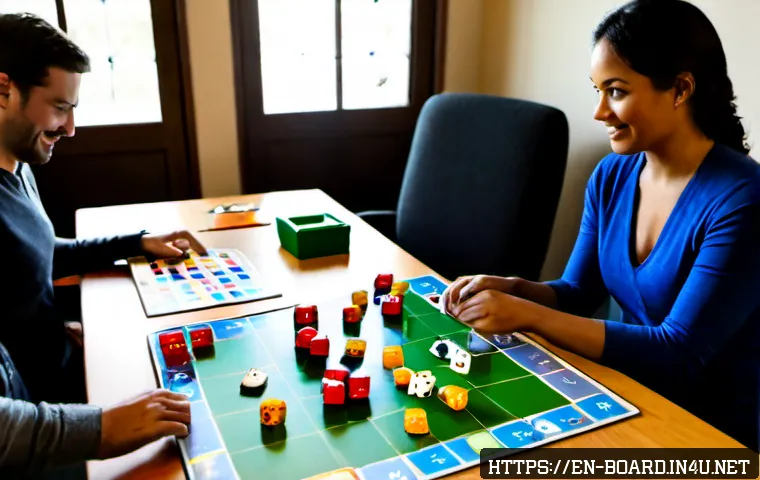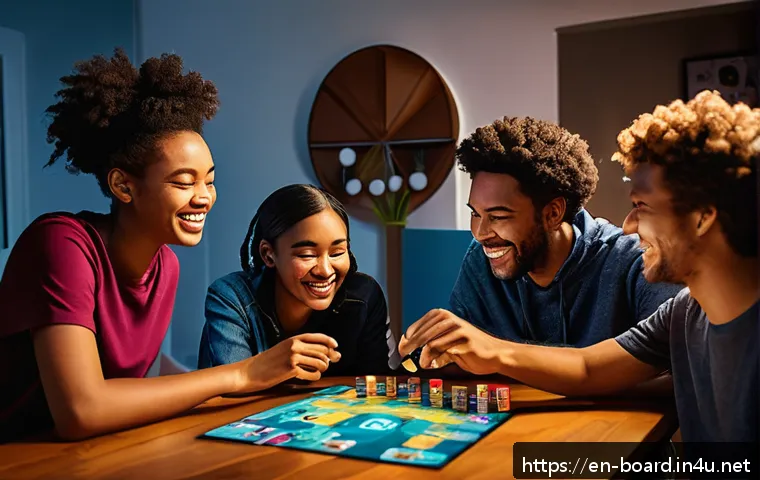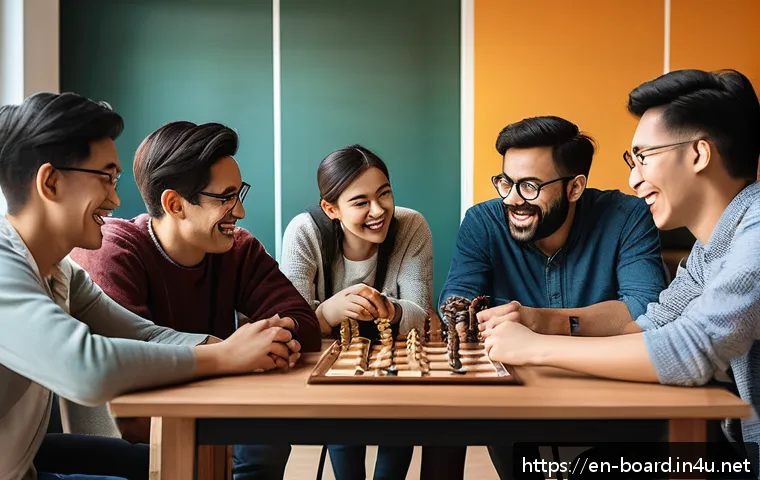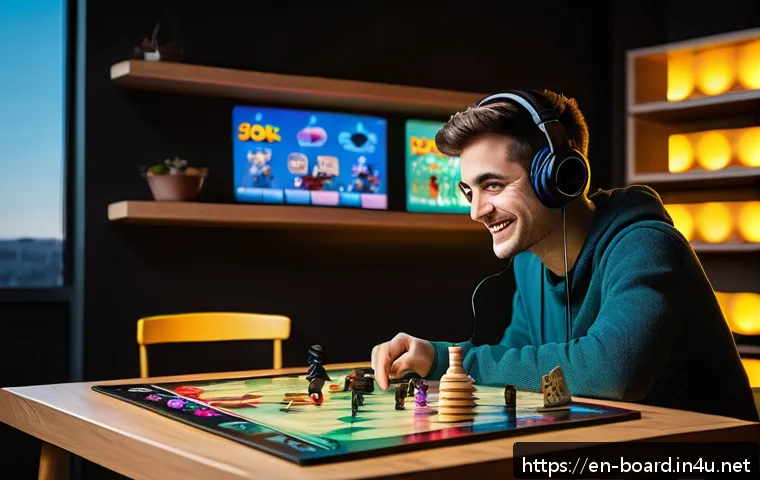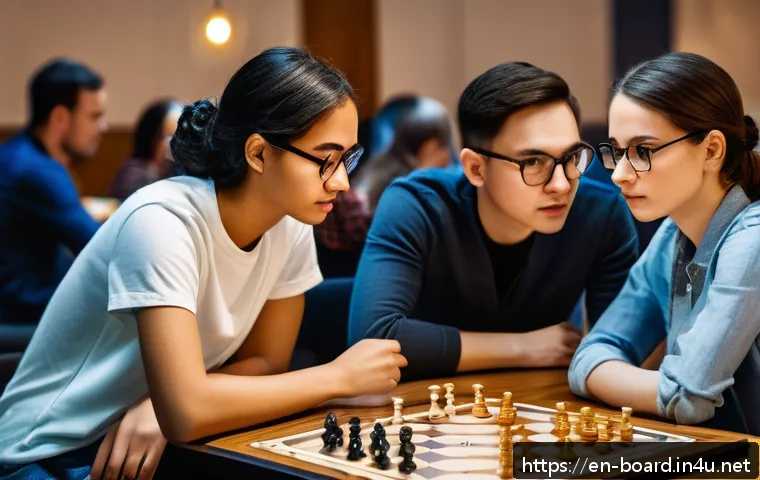
The World Board Game Championship has become a thrilling nexus where sharp strategy meets intense global rivalry. With the surge in tabletop gaming’s popularity, this event draws competitors from all corners of the world, each bringing unique tactics and cultural flair.
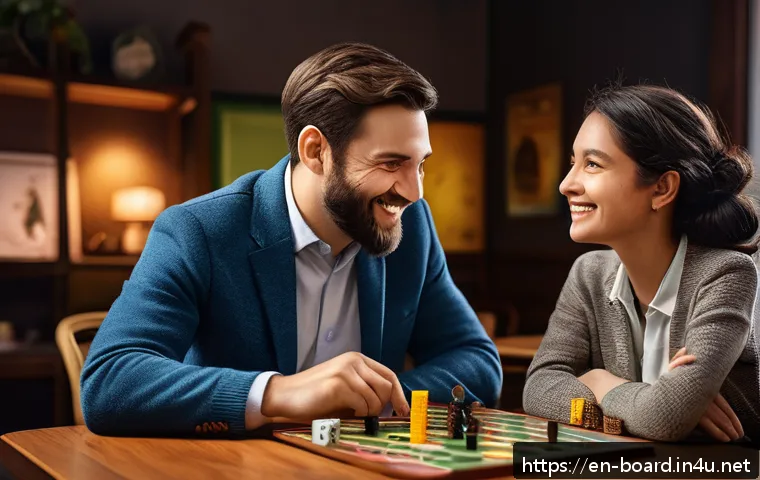
As the competition heats up, it’s fascinating to see how players adapt and innovate under pressure, making every match unpredictable and exciting. Whether you’re a seasoned gamer or a curious newcomer, the championship offers a glimpse into the evolving landscape of strategic play.
Stick around as we dive into the stories, strategies, and surprises that define this captivating global contest.
Mastering the Art of Adaptability in Competitive Play
Reading Opponents Beyond the Board
In high-stakes matches, it’s not just about the moves you make on the board; understanding your opponent’s mindset can be a game-changer. I’ve noticed that the best players excel at picking up subtle tells — a hesitation before a move, repeated patterns, or even body language cues.
This kind of psychological insight lets them anticipate strategies before they’re fully executed, turning the tide in their favor. It’s like playing chess and poker simultaneously; you’re constantly trying to decode what the other person wants you to believe versus their real intentions.
Pivoting Strategies Mid-Game
One thing I’ve learned from watching top players is their incredible ability to pivot when the original plan hits a snag. They don’t get stuck in rigid thinking but quickly assess new developments and adjust tactics accordingly.
This agility often separates champions from the rest because the game’s dynamic environment rewards flexibility. For example, if a player’s early resource plan is blocked, they might switch focus to a defensive posture or start building alliances, demonstrating that strategic fluidity is essential to survival.
Balancing Risk and Reward
Risk-taking is a delicate dance in any competitive board game. I’ve seen players who play too conservatively often fall behind, while those who gamble recklessly lose control of the match.
The sweet spot lies in calculated risks—knowing when to commit resources or make bold moves that could pay off big or backfire dramatically. Experienced competitors tend to have a finely tuned sense of this balance, often gained through countless hours of trial and error in various game scenarios.
Cultural Influences Shaping Diverse Play Styles
Regional Strategies and Traditions
It’s fascinating to observe how cultural backgrounds influence players’ approaches. For instance, some European competitors favor methodical, long-term planning, reflecting a deep-rooted tradition of classic strategy games.
Meanwhile, players from East Asia often emphasize quick adaptability and aggressive plays, mirroring popular fast-paced games in their regions. These differences add a rich layer of complexity to the championship, where each match is a blend of global gaming philosophies clashing and evolving.
Communication and Table Dynamics
In multiplayer games, how players interact can drastically affect outcomes. Communication styles vary widely across cultures—some are direct and assertive, while others are more reserved or diplomatic.
These nuances impact alliance formations and betrayals, making the social aspect of competition just as critical as strategic prowess. I’ve personally witnessed moments where a well-timed negotiation or a subtle bluff shifted the entire momentum of the game.
Incorporating Cultural Artifacts into Gameplay
Certain players bring unique cultural elements into their gameplay, like specific opening moves inspired by traditional games or thematic choices that reflect their heritage.
This personalization not only enriches the experience for spectators but also adds unpredictability, as opponents must adapt to unfamiliar styles. It’s a reminder that board gaming isn’t just a contest of logic but a cultural exchange that celebrates diversity through strategy.
Innovations and Emerging Trends in Strategy
The Rise of Hybrid Game Mechanics
Recently, I’ve noticed a surge in games blending classic mechanics with new twists—think resource management combined with real-time decision-making or cooperative elements mixed with competitive scoring.
These hybrids challenge players to develop multifaceted strategies, balancing speed, collaboration, and long-term planning. This trend pushes the boundaries of traditional gameplay and forces even seasoned competitors to expand their skill sets continuously.
Technology’s Role in Strategy Evolution
While the championship itself is a tabletop event, digital tools have subtly influenced player preparation and strategy development. Many top contenders use apps and simulations to analyze game probabilities and practice scenarios, giving them an edge in understanding complex systems.
This integration of technology with analog play creates a fascinating dynamic where old-school intuition meets modern analytics, elevating the overall level of competition.
Meta-Game Shifts Driven by Player Innovation
The meta-game—the prevailing strategic trends—shifts rapidly as players discover new tactics or exploit overlooked mechanics. I’ve followed several tournaments where a single innovative strategy cascaded through the player community, forcing everyone to rethink their approach.
These shifts keep the championship fresh and unpredictable, making each year feel like a new chapter in the ongoing evolution of competitive board gaming.
The Psychological Edge: Mindset and Focus
Managing Pressure in High-Stakes Environments
Competing on a global stage brings immense pressure, and maintaining composure is crucial. I’ve talked to several champions who emphasize mental preparation just as much as studying game rules.
Techniques like mindfulness, controlled breathing, and visualization help them stay calm and focused during tense moments. This mental resilience often translates into sharper decision-making and the ability to exploit opponents’ mistakes.
Building Endurance for Long Sessions
Matches in these championships can be marathon affairs, sometimes lasting several hours. Physical and mental endurance become key factors in performance.
Players often develop routines to stay alert—hydration, nutrition, and short breaks between rounds are all part of their strategy. Personally, I’ve found that even small habits, like stretching or brief walks, can rejuvenate focus and prevent burnout during grueling competitions.
Turning Setbacks into Motivation
Losses and unexpected setbacks are inevitable, but the best players use them as fuel rather than frustration. I’ve seen competitors analyze their defeats with a constructive mindset, identifying weaknesses and areas for improvement without letting emotions cloud judgment.
This growth-oriented approach builds confidence over time and often leads to remarkable comebacks in later rounds, illustrating that psychological strength is as vital as tactical skill.
Key Game Types and Their Strategic Demands
Eurogames: Precision and Resource Management
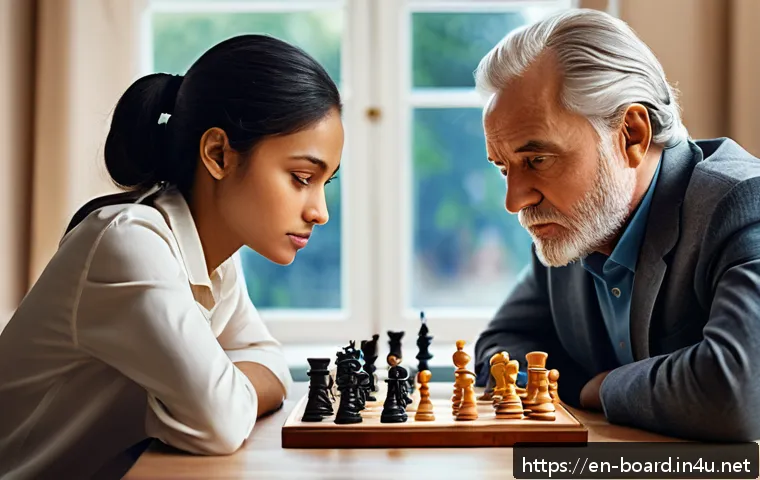
Euro-style games demand careful planning and efficient resource use. Players must optimize actions and anticipate opponents’ moves several turns ahead.
I’ve always admired how these games reward patience and long-term strategy, often involving complex economic systems and subtle scoring methods. Success here hinges on balancing multiple variables simultaneously without losing sight of the ultimate goal.
Ameritrash: Narrative and Conflict Focus
In contrast, Ameritrash games emphasize thematic storytelling and direct confrontation. These often feature dice rolling and player elimination, creating a highly interactive and unpredictable environment.
Players need to blend tactical aggression with opportunistic play. From my experience, the emotional intensity and dramatic swings in these games create a thrilling atmosphere, where bold gambles can result in spectacular victories or crushing defeats.
Abstract Games: Pure Logic and Pattern Recognition
Abstract strategy games strip away theme and luck, focusing purely on logic and spatial reasoning. Chess and Go are classic examples where every move is deeply calculated.
Watching experts play these games reveals a level of foresight and pattern recognition that’s almost hypnotic. These contests demand unwavering concentration and an ability to think several moves ahead, making them a true test of mental acuity.
Comparing Player Profiles: Styles and Strengths
| Player Type | Typical Strengths | Common Weaknesses | Example Games |
|---|---|---|---|
| The Strategist | Long-term planning, risk assessment, patience | Slow decision-making, sometimes too cautious | Catan, Terraforming Mars |
| The Aggressor | Bold moves, quick adaptation, psychological pressure | High risk of overextension, impulsiveness | Risk, Twilight Imperium |
| The Diplomat | Strong negotiation, alliance-building, social manipulation | Dependent on others’ cooperation, vulnerable to betrayal | Diplomacy, Cosmic Encounter |
| The Tactician | Detail-oriented, excellent in tactical combat, pattern recognition | May miss broader strategy, less flexible | Chess, Azul |
Understanding Your Own Style
Recognizing which player archetype you naturally lean towards can help refine your approach. I’ve found that self-awareness allows you to capitalize on your strengths while working on your blind spots.
For example, if you’re an Aggressor, practicing patience and resource management can round out your game, whereas Strategists might benefit from occasionally taking calculated risks to surprise opponents.
Adapting to Opponents’ Styles
Tailoring your strategy based on who you’re facing is crucial. I’ve seen matches where players completely flipped their usual style to counter an opponent’s strengths.
This chameleon-like ability requires deep knowledge of both your own and your adversaries’ tendencies, which often comes from experience and thorough study of past matches.
It’s a challenging but rewarding aspect of competitive play.
Strategies for Newcomers to Thrive
Starting with Simpler Games
Jumping into the championship scene can be overwhelming, so beginning with more accessible games helps build foundational skills. Games that balance luck and strategy allow new players to experience victory and defeat without frustration, fostering learning and confidence.
I recommend titles like Ticket to Ride or Splendor as great entry points that teach core mechanics without excessive complexity.
Learning from the Community
Engaging with fellow players, whether online or at local clubs, is invaluable. I’ve personally gained so much by discussing tactics, watching tutorials, and analyzing replays.
The board game community is incredibly supportive, and tapping into this network accelerates skill development far beyond solo study.
Practicing Consistently and Reflectively
Regular practice paired with thoughtful reflection on each game’s outcome is key. Keep a journal or log of your decisions and their results to identify patterns and mistakes.
This habit has helped me tremendously by turning every session into a learning opportunity, gradually transforming casual play into competitive readiness.
Conclusion
Mastering adaptability in competitive play goes beyond just knowing the rules—it’s about understanding people, cultures, and evolving strategies. Through experience, mental resilience, and openness to innovation, players can elevate their game and enjoy richer, more dynamic competitions. Embracing these aspects will not only improve your skills but also deepen your appreciation for the art of strategy gaming.
Useful Information to Keep in Mind
1. Developing psychological insight into opponents’ behavior can significantly improve your decision-making and anticipation during matches.
2. Flexibility in strategy is key; don’t hesitate to pivot when your initial plan faces obstacles to stay competitive.
3. Balancing risk and reward through calculated moves often distinguishes successful players from the rest.
4. Understanding cultural influences can help you better interpret diverse play styles and communication dynamics.
5. Consistent practice combined with reflective learning accelerates growth and prepares you for high-level competition.
Key Takeaways
Adaptability and psychological awareness are crucial for thriving in competitive board games. Successful players blend strategic planning with the ability to adjust on the fly and maintain mental endurance under pressure. Recognizing your own player style and adapting to opponents’ approaches enhances performance. Finally, engaging with community resources and embracing emerging trends keeps your skills sharp and your gameplay fresh.
Frequently Asked Questions (FAQ) 📖
Q: uestionsQ1: What types of board games are featured in the World Board Game Championship?
A: The championship showcases a diverse range of strategic board games, including classics like chess and Go, as well as modern strategy games such as Terraforming Mars and Scythe.
The variety reflects the evolving tastes of the global gaming community, ensuring that players with different strengths and preferences can compete. Each year, organizers often introduce new games or variants to keep the competition fresh and challenging.
Q: How do players from different cultures influence the competition?
A: Players bring distinct approaches shaped by their cultural backgrounds, which adds a rich layer of complexity and excitement to the matches. For example, European players might emphasize calculated long-term strategies, while players from East Asia could focus on rapid adaptability and pattern recognition.
This blend of styles not only makes the games unpredictable but also fosters a deeper appreciation for diverse strategic thinking.
Q: What can newcomers expect when attending or watching the championship?
A: Newcomers will find the event both welcoming and thrilling. The atmosphere buzzes with intense focus and friendly rivalry, making it a great place to learn about strategic gaming firsthand.
Spectators can enjoy live commentary that breaks down complex moves into accessible insights, while attendees often have opportunities to try out games themselves or meet top players.
Overall, it’s an immersive experience that highlights the creativity and passion driving today’s board game scene.