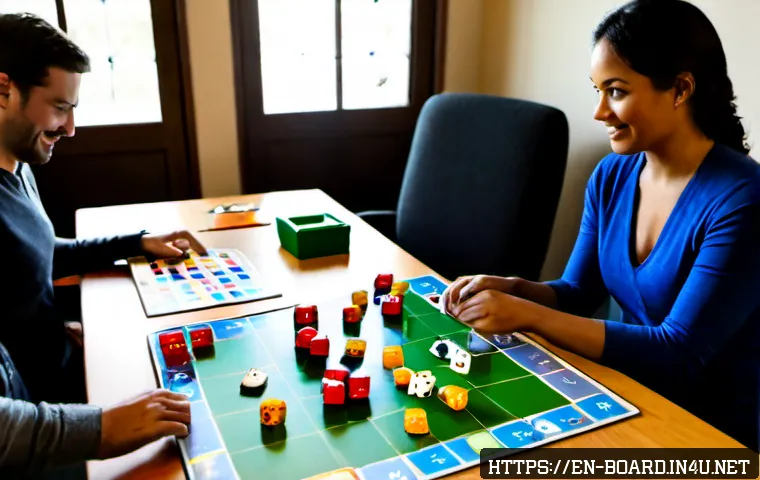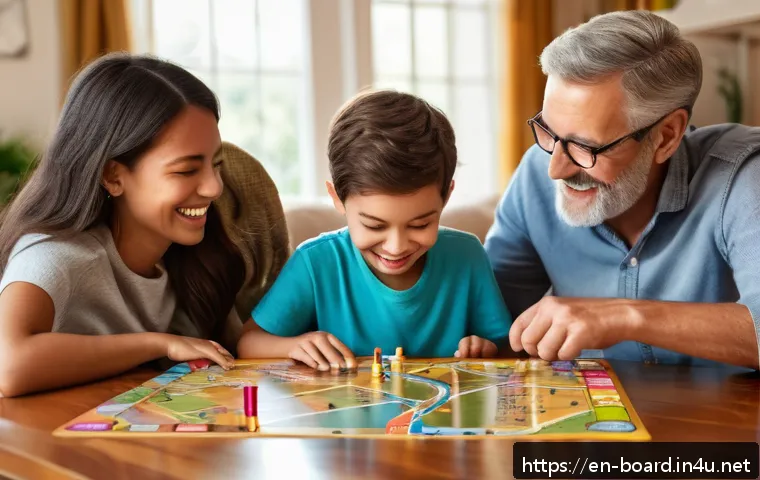
In today’s fast-paced digital world, finding meaningful ways to connect with family and friends can feel challenging. Yet, board games continue to offer a timeless solution, bringing joy and learning to players of all ages.

Whether you’re rolling dice with toddlers or strategizing with teens, these games transform ordinary moments into memorable experiences. As screen fatigue rises, board games provide a refreshing, interactive escape that sparks creativity and fosters bonding.
Let’s explore how these classic pastimes evolve alongside growing minds and create lasting fun for everyone involved.
The Power of Social Connection Through Board Games
Building Bonds Beyond Screens
Board games offer a rare opportunity to unplug and focus on genuine face-to-face interaction. When you gather around a table, the shared laughter, playful teasing, and teamwork naturally break down walls.
I’ve noticed that even the most introverted family members start opening up, sharing stories or cracking jokes they normally wouldn’t. Unlike digital devices that often isolate, board games demand attention and communication, making quality time feel truly rewarding.
It’s a refreshing change of pace that fosters deeper relationships and creates memories that last well beyond the final move.
Fostering Empathy and Understanding
Playing board games often puts players in others’ shoes—whether it’s negotiating trades or anticipating opponents’ strategies. This dynamic encourages empathy and patience, especially among siblings or friends with differing personalities.
I recall moments when a competitive sibling rivalry softened after a cooperative game, leading to better understanding and compromise. The give-and-take of gameplay mirrors real-life social skills, helping everyone learn to listen, respect different viewpoints, and celebrate collective achievements.
Encouraging Family Traditions and Rituals
Regular game nights can become treasured family traditions that everyone looks forward to. Setting a weekly or monthly schedule creates anticipation and a sense of belonging.
From choosing new games together to preparing snacks, the entire process builds excitement and shared purpose. I’ve found that these rituals provide comforting structure amid hectic routines, giving family members something consistent to rely on and cherish.
Over time, these moments become woven into the family story, strengthening connections across generations.
Brain Boosting Benefits Hidden in Play
Sharpening Critical Thinking and Problem Solving
Many board games challenge players to think several steps ahead, weigh options, and adapt strategies on the fly. For instance, playing a game like chess or Settlers of Catan requires recognizing patterns and anticipating consequences.
I’ve seen firsthand how these mental workouts improve focus and decision-making skills, especially in kids and teens. The best part is that this brain training happens effortlessly because the fun keeps motivation high.
It’s a win-win scenario where learning and entertainment go hand in hand.
Enhancing Memory and Concentration
Remembering rules, tracking opponents’ moves, or recalling cards are all exercises that strengthen memory and attention span. I remember when my niece struggled with focus, but after weeks of playing memory-based games, her ability to concentrate noticeably improved.
These subtle cognitive gains accumulate over time, benefiting academic performance and everyday tasks. Plus, because the games are engaging, players don’t even realize they’re sharpening their minds—it feels like pure enjoyment instead of study.
Developing Emotional Regulation and Patience
Board games naturally involve ups and downs—winning, losing, waiting turns—which cultivate emotional resilience. Through repeated exposure, players learn to manage frustration, celebrate small victories, and handle setbacks gracefully.
I’ve often heard adults comment that playing these games helped them become more patient and less reactive in stressful situations. This emotional growth is especially valuable for children, as it lays a foundation for healthy social interactions and self-control in various life scenarios.
Choosing the Right Game for Every Skill Level
Simple Games for Newbies and Young Players
Games with straightforward rules and quick rounds are perfect for introducing newcomers or little ones to the world of board gaming. Titles like Candy Land or Uno require minimal explanation, making them accessible and fun for toddlers and preschoolers.
I’ve found that starting with these easy wins builds confidence and enthusiasm, encouraging kids to explore more complex games later. The bright colors and simple mechanics keep attention focused and reduce frustration, creating positive first experiences.
Intermediate Games for Growing Minds
As players become comfortable, games that incorporate strategy and teamwork offer an engaging next step. Games like Ticket to Ride or Carcassonne strike a great balance, challenging critical thinking without overwhelming complexity.
I remember my family transitioning to these games after mastering basics, and suddenly game nights became more lively and competitive. These options provide just enough depth to keep everyone invested and learning new skills without losing the fun factor.
Advanced Games for Experienced Players
For those who crave deep strategy, longer gameplay, and complex rule sets, advanced board games offer rich challenges. Titles such as Terraforming Mars or Gloomhaven can take hours and involve multiple layers of decision-making.
I’ve personally enjoyed how these games foster collaboration and long-term planning, often sparking intense discussions and creative problem-solving. While not ideal for casual play, they provide rewarding experiences for dedicated groups seeking immersive adventures.
How Board Games Support Emotional Growth in Kids
Encouraging Cooperation and Teamwork
Many modern board games emphasize collaboration over competition, teaching children the value of working together toward a common goal. Cooperative games like Pandemic or Forbidden Island require players to communicate and strategize as a unit.
I’ve witnessed kids develop stronger social skills and a greater sense of empathy through these shared challenges. These experiences reinforce that success is sweeter when celebrated with others and that setbacks are easier to overcome as a team.
Teaching Healthy Competition and Sportsmanship
While cooperation is important, learning to handle winning and losing gracefully is equally vital. Board games provide a safe environment for kids to experience competition, cope with disappointment, and celebrate achievements.
I recall my own struggles as a child with losing gracefully, but repeated gameplay helped me develop patience and respect for opponents. These lessons carry over into school, sports, and future relationships, shaping well-rounded emotional intelligence.

Boosting Confidence Through Mastery
Mastering game rules, developing winning strategies, or simply improving performance can significantly boost a child’s self-esteem. I’ve seen shy kids transform into confident players as they gain expertise and receive positive feedback.
This sense of accomplishment motivates them to try new challenges and believe in their abilities beyond the gaming table. The supportive environment of family or friends further amplifies these confidence-building moments.
Integrating Board Games into Daily Life
Making Time for Play in Busy Schedules
With hectic routines, carving out time for board games can feel tough but is well worth the effort. I’ve found that even short, 20-30 minute sessions during dinner breaks or weekend afternoons provide meaningful connection and relaxation.
Prioritizing these moments sends a message that family bonding matters. Plus, planning ahead by keeping games accessible and ready-to-play helps reduce friction and excuses.
Creating a Dedicated Game Space
Having a designated area for board games encourages spontaneous play and keeps everything organized. Whether it’s a shelf in the living room or a corner of the dining table, this setup invites family members to dive in whenever time allows.
I’ve noticed that my own game nights flow more smoothly when all pieces and instructions are easy to find. This small investment transforms gaming from a hassle into a seamless part of daily life.
Blending Technology with Traditional Play
While unplugged gaming is ideal, technology can complement board games through companion apps or online tutorials. I’ve used apps to learn new rules or track scores, which makes gameplay smoother and more engaging.
Some games offer augmented reality features that add a fresh twist without losing the tactile joy. Thoughtful integration of tech can attract digital natives while preserving the social essence of board gaming.
Popular Game Types and Their Unique Appeals
Strategy Games: Planning and Foresight
Strategy games demand thoughtful planning and anticipation of opponents’ moves. They often involve resource management, area control, or tactical combat.
I enjoy how these games challenge my problem-solving skills and reward creativity. Players get deeply involved in crafting winning approaches, making each session mentally stimulating and rewarding.
Party Games: Laughter and Lighthearted Fun
Party games shine in larger groups, offering quick rounds and silly challenges that spark laughter. Games like Codenames or Telestrations lighten the mood and break the ice.
I appreciate how these games bring out everyone’s playful side, creating a joyful atmosphere perfect for social gatherings.
Cooperative Games: Teamwork and Shared Goals
Cooperative games unite players against the game itself, fostering communication and mutual support. These games emphasize group success over individual glory.
I’ve found that playing cooperatively strengthens trust and creates a powerful sense of camaraderie.
Comparing Board Games by Complexity and Player Count
| Game Title | Complexity Level | Recommended Age | Player Count | Average Playtime |
|---|---|---|---|---|
| Uno | Easy | 6+ | 2-10 | 15-30 min |
| Ticket to Ride | Moderate | 8+ | 2-5 | 45-60 min |
| Settlers of Catan | Moderate | 10+ | 3-4 | 60-90 min |
| Pandemic | Moderate to Hard | 8+ | 2-4 | 45 min |
| Terraforming Mars | Hard | 12+ | 1-5 | 90-120 min |
| Gloomhaven | Hard | 14+ | 1-4 | 60-120 min per session |
Conclusion
Board games are more than just entertainment; they are powerful tools for building meaningful relationships, enhancing cognitive skills, and nurturing emotional growth. Whether playing with family or friends, these games create lasting memories and foster a sense of togetherness that screens simply can’t match. Embracing board games as a regular part of life enriches both social and mental well-being in enjoyable ways.
Helpful Information to Keep in Mind
1. Choose games appropriate for the players’ age and experience to ensure everyone stays engaged and has fun.
2. Incorporate game nights into your routine to build strong family traditions and encourage regular social interaction.
3. Use cooperative games to teach empathy, teamwork, and effective communication skills among children and adults alike.
4. Consider creating a dedicated space for gaming to make playtime more accessible and organized.
5. Don’t hesitate to blend technology with traditional board games to enhance learning and keep digital natives interested.
Key Takeaways
Board games uniquely combine social connection with mental stimulation, making them excellent tools for personal growth and family bonding. Selecting the right game for your group’s skill level is crucial for maintaining interest and maximizing benefits. Regular play supports emotional resilience, critical thinking, and cooperative skills, while also providing a joyful escape from everyday stress. Prioritizing these shared moments strengthens relationships and cultivates lifelong skills in a fun, engaging way.
Frequently Asked Questions (FAQ) 📖
Q: uestionsQ1: How do board games help in strengthening family bonds?
A: Board games create a shared space where family members engage directly without digital distractions. From my experience, sitting around a table and playing together encourages communication, teamwork, and laughter, which naturally deepens connections.
It’s a simple yet effective way to spend quality time that leaves everyone feeling closer and more connected.
Q: What types of board games are best suited for different age groups?
A: Choosing the right game depends on the players’ ages and interests. For toddlers, games with simple rules and bright visuals like “Candy Land” work wonders to build basic skills.
Tweens and teens often enjoy strategy games like “Catan” or “Ticket to Ride,” which challenge their critical thinking. In my family, mixing easy and complex games keeps everyone engaged and learning, no matter their age.
Q: How can board games help reduce screen fatigue?
A: Board games offer a hands-on, tactile experience that contrasts sharply with screen time. When I’ve felt drained from too much digital exposure, switching to board games refreshed my mind by encouraging active thinking and social interaction.
This break from screens not only revitalizes energy but also sparks creativity and makes spending time with loved ones feel more meaningful.