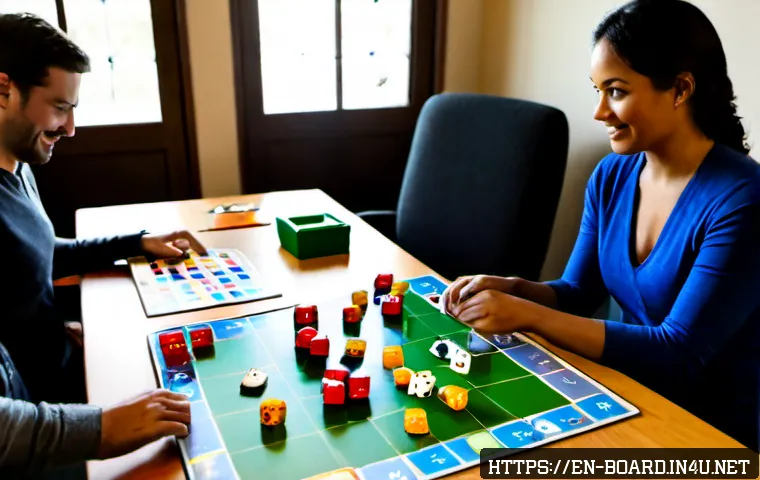
The board game industry is experiencing an unprecedented surge, capturing the attention of players and investors alike. With more people seeking engaging, screen-free entertainment, the market is evolving rapidly, fueled by innovative game designs and expanding global communities.

Whether you’re a casual player or a seasoned enthusiast, the latest trends reveal exciting growth opportunities that could reshape the future of gaming.
In this post, we’ll dive into what’s driving this boom and explore where the industry is headed next. Stick around—you might just discover your next favorite game or even a new way to invest in this vibrant market.
The Rise of Cooperative and Narrative-Driven Games
Why Players Crave Collaboration Over Competition
In recent years, I’ve noticed a massive shift toward cooperative board games that emphasize teamwork rather than rivalry. Players are no longer just pitted against each other; instead, they join forces to overcome a shared challenge.
This change is partly fueled by the desire for more inclusive and social experiences, especially after long periods of isolation during the pandemic. Games like “Pandemic” and “Gloomhaven” have become household names, not just for their engaging mechanics but because they foster a sense of community and shared achievement.
It feels so refreshing to sit around a table where everyone’s working together, and honestly, it makes the gaming experience way more rewarding and less stressful.
Immersive Storytelling That Keeps You Hooked
Narrative-driven board games are another trend that’s catching fire. These games offer rich storylines and character development, much like video games or novels, but with the tactile thrill of physical play.
I’ve played titles where decisions impact the unfolding plot, making each session unique and deeply personal. This storytelling element hooks players emotionally and intellectually, drawing them back time and again.
The fusion of RPG elements into board games allows for a level of depth and immersion that’s truly compelling. It’s almost like living inside a movie or book, but with your friends at your side, making choices that shape your shared adventure.
Blending Digital and Analog for the Best of Both Worlds
Interestingly, many new cooperative and narrative games incorporate digital apps to enhance gameplay without replacing the traditional board experience.
These apps handle complex calculations, random events, or atmospheric soundtracks, which frees players from tedious tasks and lets them focus on strategy and storytelling.
I’ve found this hybrid approach really elevates the game’s immersion and accessibility. Plus, it opens doors for solo play or remote sessions, expanding how and where we can enjoy these games.
It’s a smart way to keep board games relevant in the tech-savvy age without losing their tactile charm.
Innovations in Game Design Fueling the Boom
Modular Boards and Expansive Replayability
One of the design innovations I’ve been excited about is the rise of modular boards and components that change every time you play. This approach breaks the monotony by offering countless variations, so no two games ever feel the same.
It’s perfect for players like me who crave fresh challenges without needing to buy a new game constantly. Games like “Scythe” and “Terraforming Mars” use this concept brilliantly, combining strategy with unpredictability.
This not only keeps veteran players engaged but also attracts newcomers looking for long-term value in their purchases.
Streamlined Rules for Wider Appeal
Board games used to come with intimidatingly thick rulebooks that scared off casual players. Nowadays, designers focus on intuitive mechanics and clear instructions that anyone can pick up quickly.
I remember trying to teach a friend who’d never played before, and within minutes, she was deeply involved. This simplicity doesn’t mean sacrificing depth—many games cleverly layer complexity that emerges as you get more comfortable.
It’s a delicate balance, but when done well, it broadens the audience and keeps the community thriving.
Eco-Friendly Materials and Sustainable Production
Sustainability has become a hot topic across industries, and board games are no exception. I’ve seen several publishers switching to recycled cardboard, soy-based inks, and biodegradable plastics.
This shift resonates with environmentally conscious consumers who want their hobbies to align with their values. It’s encouraging to see companies invest in greener production methods, even if it means slightly higher costs.
As players, supporting these efforts feels like a small but meaningful way to contribute to a healthier planet while enjoying our favorite pastime.
Diverse Communities and the Power of Inclusivity
Expanding Beyond Traditional Demographics
Board gaming is no longer just a niche hobby for a specific crowd; it’s blossoming into a diverse, global community. I’ve met players of all ages, backgrounds, and skill levels at local game nights and online forums.
This inclusivity enriches the gaming experience by bringing fresh perspectives and ideas to the table. More publishers are also designing games that reflect different cultures and stories, making the industry feel more welcoming and relevant worldwide.
It’s exciting to be part of a movement where everyone can find a place and a game that speaks to them.
Online Platforms Bridging Physical and Virtual Worlds
While the charm of face-to-face play remains strong, digital platforms have become essential for connecting enthusiasts across distances. Websites and apps like Tabletop Simulator or Board Game Arena enable players to meet and compete virtually, keeping communities vibrant even when in-person meetups aren’t possible.
From my own experience, these platforms have helped me maintain friendships and discover new games I might never have tried otherwise. They’re not replacing physical play but complementing it, offering flexibility and convenience that modern lifestyles demand.
Organized Play and Competitive Scenes Growing Rapidly
Competitive board gaming is also gaining momentum, with tournaments and leagues popping up worldwide. These events provide a structured environment for passionate players to test their skills and gain recognition.
I’ve attended a few local tournaments and was amazed by the skill level and dedication on display. Organized play promotes healthy competition and community building, further legitimizing board games as a serious hobby and even a potential career path for some.
It’s a fascinating blend of casual fun and professional aspiration.
Investment Opportunities in the Board Game Market
Why Investors Are Eyeing Board Games
The board game industry’s growth has caught the attention of investors looking for fresh, resilient markets. Unlike many tech startups, board games have proven longevity and steady demand, partly because they offer screen-free entertainment—a rarity in today’s digital world.
I’ve read about investment funds and crowdfunding campaigns backing innovative projects that promise solid returns. Plus, the collectible and limited-edition nature of some games creates unique value propositions.
For anyone interested in entertainment or consumer goods sectors, board games offer an intriguing, less saturated opportunity.
Key Metrics for Evaluating Game Success
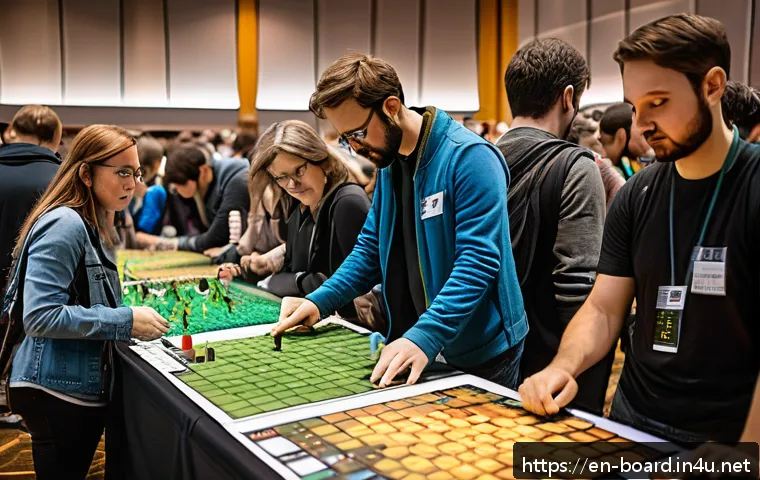
When considering investment, it’s crucial to understand what drives a game’s commercial success. Factors like community engagement, expansion potential, and critical acclaim weigh heavily.
I’ve seen that games with strong social media presence and active fan bases tend to sustain sales longer. Additionally, the ability to release expansions or digital adaptations can extend a game’s lifecycle and revenue streams.
These indicators help investors distinguish between one-hit wonders and franchises with staying power.
Risks and Challenges to Consider
Despite the promising outlook, investing in board games isn’t without risks. Market saturation can lead to fierce competition, and trends may shift quickly.
I’ve come across projects that raised big funds but failed to maintain interest post-launch. Manufacturing delays or quality issues can also impact reputation and sales.
Therefore, thorough due diligence and a deep understanding of the community are essential before committing capital. Partnering with experienced designers and publishers can mitigate some risks, ensuring better alignment with player expectations and market demand.
How Technology Is Shaping the Future of Analog Gaming
Augmented Reality Enhancing Gameplay
Augmented reality (AR) is starting to make waves in board gaming by adding interactive layers to physical components. I recently tried an AR-enhanced game where pointing a smartphone at the board revealed hidden clues and animations that enriched the story.
This technology blends the tactile satisfaction of traditional games with the excitement of digital effects, creating a truly next-level experience. While still niche, AR has huge potential to attract tech-savvy players and keep analog games fresh and engaging.
Blockchain and NFTs in Board Games
Though controversial, blockchain technology and NFTs have begun entering the board game space, mainly for digital collectibles and ownership tracking.
Some developers are experimenting with limited-edition digital assets tied to physical games, offering players a sense of exclusivity and tradability.
I’m cautiously optimistic about this trend—it could open new revenue streams and fan engagement methods, but it needs to be executed thoughtfully to avoid alienating traditional players.
Transparency and clear value propositions will be key.
Data Analytics for Personalized Experiences
Game designers are increasingly using data analytics gathered from app integrations and online play to fine-tune mechanics and balance. From my perspective, this feedback loop helps create games that better suit player preferences and improve overall satisfaction.
Personalized difficulty settings or adaptive storylines could become standard features, making every game session uniquely tailored. This data-driven approach brings a scientific edge to an art form that’s traditionally been more intuitive and experimental.
Market Segments Driving Growth and Innovation
Family and Casual Games as Gateway Experiences
Family-friendly and casual games continue to be a major growth driver by introducing board gaming to younger players and non-enthusiasts. I’ve seen how titles like “Ticket to Ride” or “Catan” serve as perfect entry points, blending simple rules with strategic depth.
These games often become staples in households, sparking interest that can lead to exploring more complex titles later. Their broad appeal also encourages social bonding, making gaming a shared activity across generations.
Hobbyist Games with Deep Strategic Complexity
On the other end of the spectrum, hobbyist games that demand intense strategic thinking and longer playtimes attract dedicated enthusiasts. These games often feature intricate mechanics and detailed themes, rewarding players who invest time and effort.
From my experience, this segment drives innovation by pushing designers to experiment boldly. It also supports a passionate community that fuels word-of-mouth growth and niche conventions, reinforcing the industry’s vitality.
Educational and Therapeutic Applications
Board games are increasingly recognized for their educational and therapeutic benefits, expanding their market beyond pure entertainment. I’ve encountered games designed to develop critical thinking, language skills, or social-emotional learning in classrooms and therapy settings.
This purposeful use of games opens collaboration opportunities with educators, psychologists, and healthcare providers. It’s inspiring to see how board games can positively impact lives, making them valuable tools beyond leisure.
| Segment | Key Characteristics | Examples | Market Impact |
|---|---|---|---|
| Cooperative & Narrative | Team play, immersive stories, app integration | Pandemic, Gloomhaven | Expands social engagement, increases replayability |
| Family & Casual | Simple rules, broad appeal, quick setup | Ticket to Ride, Catan | Introduces new players, drives mass adoption |
| Hobbyist & Strategy | Complex mechanics, long playtime, deep strategy | Terraforming Mars, Scythe | Encourages innovation, supports niche communities |
| Educational & Therapeutic | Skill development, targeted learning, therapy use | Rush Hour, Dixit | Expands market beyond entertainment |
| Technology-Enhanced | AR, apps, blockchain integration | Chronicles of Crime, AR-enabled games | Modernizes gameplay, attracts tech-savvy players |
In Conclusion
The board game industry is evolving in exciting ways, blending cooperation, storytelling, and technology to create richer experiences. Whether you’re a casual player or a dedicated hobbyist, there’s something new to explore and enjoy. This growth reflects a vibrant community that values connection, creativity, and innovation. I’m genuinely excited to see where this journey takes us next.
Helpful Information to Keep in Mind
1. Cooperative games encourage teamwork, making gameplay more inclusive and rewarding for all players.
2. Narrative-driven games deepen immersion by integrating storytelling elements that change with each play session.
3. Digital integrations like apps and AR enhance traditional board games without replacing their tactile charm.
4. Simplified rules and modular designs broaden appeal, attracting new players while keeping veterans engaged.
5. Sustainability efforts in production reflect growing consumer demand for environmentally responsible entertainment options.
Key Takeaways
The board game market is thriving due to innovative designs, diverse communities, and the seamless blend of analog and digital elements. Investors and players alike benefit from understanding the importance of community engagement, replayability, and adaptability. While opportunities are promising, careful consideration of market trends and production quality remains essential. Ultimately, the future of board gaming lies in balancing tradition with fresh ideas to create meaningful, lasting experiences.
Frequently Asked Questions (FAQ) 📖
Q: What factors are driving the recent surge in the board game industry?
A: The board game industry’s growth is fueled by several key factors. First, there’s a growing desire for screen-free social activities, especially after prolonged periods of digital fatigue.
People crave face-to-face interaction, which board games naturally encourage. Secondly, innovative game designs are attracting diverse audiences—from casual players to hardcore enthusiasts—by offering fresh mechanics and themes.
Lastly, the rise of global gaming communities and online platforms has made discovering and sharing games easier than ever, expanding the market worldwide.
Q: How can casual players find games that suit their interests amid so many options?
A: For casual players, the best approach is to start with popular, easy-to-learn games that have broad appeal. Titles like “Ticket to Ride,” “Catan,” or “Carcassonne” are great entry points because they balance simplicity with strategic depth.
Visiting local game stores or joining beginner-friendly gaming groups can also provide personalized recommendations and hands-on experience. Many communities offer “learn-to-play” sessions, which are perfect for trying out games without commitment.
The key is to focus on fun and social interaction rather than complexity at first.
Q: Are there investment opportunities in the board game market, and what should investors consider?
A: Absolutely, the booming board game market offers promising investment avenues. Investors can look into companies that publish innovative games, as well as platforms that facilitate game distribution and community building.
However, it’s crucial to evaluate trends carefully—games that foster community engagement and have digital integration tend to perform better. Additionally, niche markets like collector’s editions and crowdfunding campaigns have proven lucrative.
That said, understanding consumer behavior and staying connected with industry developments is essential to make informed decisions and avoid risks.