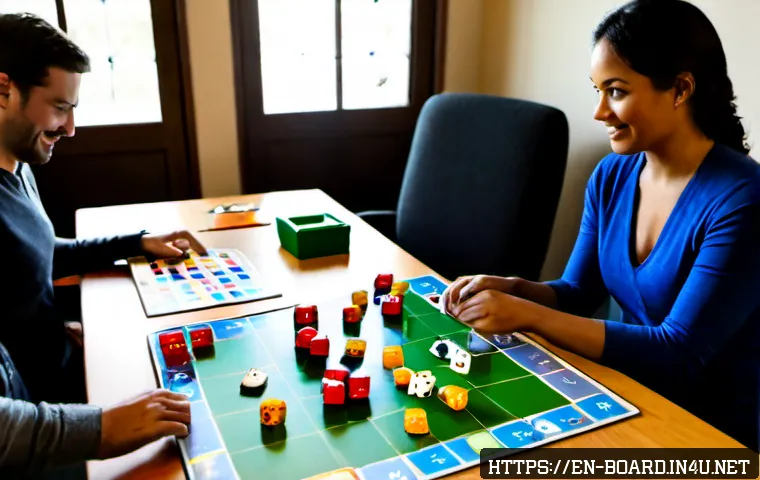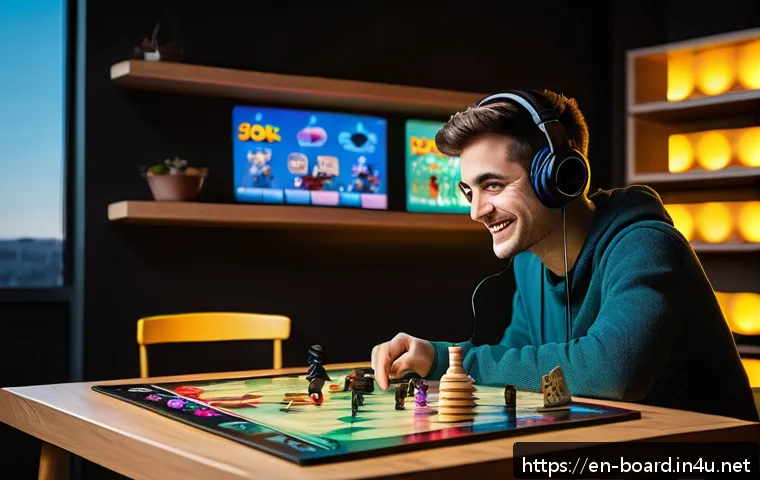
Lately, board game streaming has taken the online world by storm, captivating millions with its unique blend of strategy, storytelling, and social interaction.

As more people seek engaging and authentic entertainment, watching others dive into complex games offers a refreshing alternative to typical streams. Whether you’re a seasoned gamer or just curious, this booming trend opens doors to a vibrant community and endless fun.
If you’ve ever wondered how to jump in and start your own streaming journey, now’s the perfect time to explore what makes board game streaming so addictive and accessible.
Let’s dive into why this niche is exploding in popularity and how you can be part of the excitement.
Building a Genuine Connection with Your Audience
Creating an Inviting Atmosphere
One of the reasons board game streaming feels so refreshing is how approachable it is. Unlike high-pressure gaming scenes with frantic action, board game streams often have a relaxed, conversational vibe.
When I first started watching these streams, I was struck by how welcoming hosts made the chat feel like a cozy hangout spot. The slower pace allows for meaningful interactions, where streamers share stories behind game choices or even life anecdotes.
This authenticity naturally draws viewers in and encourages repeat visits because it feels like joining friends rather than just watching a show.
Encouraging Viewer Participation
A huge part of the appeal comes from the interactive element. Many streamers actively involve their audience by asking for input on moves or rules interpretations, creating a collaborative experience.
I remember tuning in to a game of “Catan” where the chat debated the best strategy alongside the streamer, making me feel like I was part of the decision-making process.
This level of engagement is a game-changer compared to passive streaming formats and builds a sense of community. It’s also a great way to keep viewers invested, which benefits streamers through longer watch times and better ad revenue.
Sharing Your Unique Playstyle and Personality
Every streamer brings their own flair, and board games offer a perfect platform to showcase personality through strategic thinking, humor, or storytelling.
I’ve seen streamers who focus on deep strategic analysis, breaking down every move with almost a chess-master’s precision, while others prioritize fun banter and goofy moments.
This diversity means there’s room for everyone to find their niche and audience. Plus, your personality becomes your brand, which is crucial for standing out in a growing market and attracting sponsorship deals or partnerships.
Essential Gear and Setup Tips for Board Game Streaming
Camera and Lighting Setup for Clear Visibility
Unlike video games where the screen capture is enough, board game streaming requires showing the physical game components clearly. This means investing in a good overhead camera setup to capture the board, cards, and player actions.
When I started, I underestimated lighting, but poor lighting can make it hard for viewers to follow along. Using soft, even lighting from multiple angles reduces shadows and glare, making the stream visually appealing and professional.
Natural light can work but is often inconsistent, so I recommend LED panels with adjustable brightness and color temperature.
Microphone Quality and Audio Clarity
Audio quality is often overlooked but can make or break viewer retention. Since board game streams involve a lot of talking, clear sound is essential to keep the conversation engaging.
I personally switched from a basic headset mic to a USB condenser microphone and noticed a huge difference in how chat responded. Background noise reduction and proper mic placement help avoid muffled or echoey audio, making the experience smoother.
Additionally, mixing in the game sounds and player voices with the right balance keeps everything immersive without overwhelming viewers.
Software Tools to Enhance Production Value
Streaming software like OBS Studio or Streamlabs allows you to add overlays, alerts, and multiple camera angles, which can elevate your stream’s professionalism.
I found that including a small window showing my face alongside the game board helps build a stronger connection with viewers. Some streamers also add timers, scoreboards, or digital dice rollers integrated into the stream layout.
These tools may take time to master, but even basic customizations can make your stream more enjoyable and visually dynamic, encouraging longer watch times and higher engagement.
Choosing the Right Games to Stream
Balancing Popularity and Personal Interest
While it’s tempting to jump on the most popular board games, your genuine interest in a game often translates better on stream. I tried streaming big titles like “Ticket to Ride” and “Pandemic,” which attract viewers but realized that my excitement shined brightest with lesser-known strategy games.
This authenticity helps maintain enthusiasm during longer sessions and makes commentary richer. That said, mixing in trending games can help attract new viewers, so a balanced rotation often works best.
Games That Encourage Interaction
Games with dynamic player decisions, negotiations, or cooperative elements tend to make for the most engaging streams. For example, social deduction games like “Werewolf” or “Secret Hitler” spark lively discussions and viewer involvement.
Cooperative games like “Gloomhaven” allow streamers to share problem-solving moments and celebrate victories together. When viewers can anticipate unpredictable moments or drama, they’re more likely to stay tuned and participate in chat.
Consideration for Stream Length and Complexity
Some board games are marathon sessions that can last several hours, which may be too long for casual viewers. I found that games with a natural stopping point or shorter playtime tend to keep the stream more accessible.
Complex rule sets require more explanation and can slow down the flow, so beginner-friendly games or those with streamlined mechanics are great for attracting newcomers.
However, don’t shy away from complexity if you enjoy it—just be sure to guide viewers patiently and keep the mood light.
Strategies to Grow and Sustain Your Streaming Community
Consistency and Scheduling
Regular streaming schedules are key to building a loyal audience. I learned this the hard way by streaming sporadically early on, which made it hard for viewers to know when to tune in.
By setting a fixed schedule—say, every Wednesday and Saturday evening—you create anticipation and routine. This also helps with algorithmic boosts on platforms like Twitch and YouTube, increasing your visibility.

Consistency shows professionalism and respect for your community’s time, encouraging them to make your stream part of their weekly entertainment.
Leveraging Social Media and Cross-Promotion
Promoting your streams on social media channels like Twitter, Instagram, and Discord can significantly expand your reach. Sharing highlight clips, behind-the-scenes content, or polls about which game to play next creates buzz and gives followers a reason to engage outside of streaming hours.
Collaborating with other board game streamers or joining community events also helps tap into new audiences. I found that active interaction on social platforms often leads to loyal viewers who feel personally connected to your journey.
Engaging with Chat and Building Relationships
One of the best ways to retain viewers is by genuinely engaging with them during streams. Answering questions, responding to comments, and remembering frequent viewers’ names builds a warm atmosphere.
I’ve noticed that when streamers treat their chat like friends rather than just an audience, it creates a feedback loop of positivity and support. Hosting viewer game nights or giveaways also deepens the sense of community and rewards loyalty, making viewers more likely to return and recommend your channel.
Monetization Paths Beyond Ad Revenue
Subscriptions and Viewer Donations
While ads provide some income, the bulk of earnings often comes from subscriptions and donations. Platforms like Twitch allow viewers to subscribe monthly, offering perks like exclusive emotes or ad-free viewing.
I’ve personally seen how even small monthly contributions from a handful of viewers can add up and provide stable support. Encouraging donations during exciting game moments or milestone celebrations can boost engagement without feeling pushy, especially if you thank contributors in real time.
Sponsorships and Affiliate Partnerships
As your channel grows, brands may approach you for sponsorships or affiliate deals, especially in the tabletop gaming industry. Promoting game accessories, Kickstarter campaigns, or board game stores can create mutually beneficial partnerships.
I recommend choosing sponsors that align with your content and audience interests to maintain authenticity. Transparent disclosure of sponsorships also builds trust with your viewers and ensures compliance with platform policies.
Merchandise and Exclusive Content
Offering merchandise like branded apparel, custom dice, or playmats can create an additional revenue stream. I’ve seen streamers successfully launch limited-run items through platforms like Teespring or Etsy.
Beyond physical goods, creating exclusive content—such as strategy guides, tutorials, or behind-the-scenes videos—through Patreon or other membership services allows your most dedicated fans to support you directly.
This approach not only diversifies income but deepens your connection with superfans.
Understanding Viewer Demographics and Preferences
Age and Interests of Board Game Stream Audiences
The average viewer of board game streams tends to be between 18 and 35 years old, often with an interest in tabletop hobbies, fantasy, or strategic thinking.
Many viewers appreciate educational content, like rule explanations or strategy tips, alongside casual entertainment. I noticed that streams which balance informative and fun elements tend to attract a wider age range and keep the chat lively.
Knowing your audience helps tailor content and interaction styles to maximize engagement.
Popular Platforms and Viewing Habits
Twitch remains the dominant platform for live board game streaming due to its interactive chat features and community tools. YouTube also hosts popular VODs and highlights, allowing viewers to catch up asynchronously.
Facebook Gaming and other emerging platforms offer additional options but with smaller audiences. From my experience, streaming live during evenings and weekends matches peak viewer availability, while uploading highlight reels caters to those with limited time.
How Viewer Preferences Shape Content Choices
Viewers often favor streams that mix gameplay with personal commentary, humor, and occasional guest appearances. Incorporating viewer polls to choose games or variants can boost participation and satisfaction.
I’ve seen channels thrive by adding themed stream nights, like solo playthroughs or multiplayer sessions, giving viewers variety and something to look forward to.
Adapting based on chat feedback creates a dynamic experience that feels co-created rather than one-sided.
| Aspect | Recommended Approach | Why It Matters |
|---|---|---|
| Camera Setup | Overhead with adjustable lighting | Ensures clear view of game components for viewers |
| Audio Equipment | USB condenser mic with noise reduction | Maintains clear, engaging conversation |
| Game Selection | Mix popular and niche titles | Attracts new viewers while maintaining genuine enthusiasm |
| Streaming Schedule | Consistent weekly slots | Builds loyal viewer habits and platform visibility |
| Community Engagement | Active chat interaction and social media use | Fosters connection and viewer retention |
| Monetization | Subscriptions, sponsorships, merchandise | Diversifies income and supports channel growth |
Conclusion
Building a successful board game streaming channel is all about fostering genuine connections and creating a welcoming environment. By combining engaging content, quality production, and consistent interaction, you can attract and retain a loyal community. Remember, your unique personality and passion are your greatest assets in standing out. Keep experimenting and adapting to find what resonates best with your audience.
Helpful Information
1. Invest in clear camera angles and proper lighting to showcase your game board effectively.
2. Use a quality microphone to ensure your voice is crisp and background noise is minimized.
3. Balance popular games with titles you genuinely enjoy to keep your enthusiasm authentic.
4. Maintain a consistent streaming schedule to build trust and routine with your viewers.
5. Engage actively with your chat and leverage social media to expand your community reach.
Key Takeaways
Consistency in both streaming and engagement is vital for growth. High-quality audio and video enhance viewer experience and professionalism. Selecting games that encourage interaction keeps your audience involved and entertained. Diversifying income streams beyond ads supports sustainable channel development. Lastly, understanding your viewers’ preferences allows you to tailor content that truly resonates and fosters long-term loyalty.
Frequently Asked Questions (FAQ) 📖
Q: uestions about Board Game StreamingQ1: What equipment do I need to start streaming board games online?
A: To get started with board game streaming, you’ll want a decent camera to capture the game board clearly—many streamers use a high-quality webcam or even a smartphone with a tripod.
Good lighting is crucial, so consider investing in a ring light or softbox to reduce shadows and highlight the game pieces. A reliable microphone is equally important because clear audio helps keep viewers engaged, especially when you’re explaining rules or chatting with your audience.
Lastly, streaming software like OBS Studio or Streamlabs is essential for managing your broadcast. From my experience, starting simple and upgrading gear as you grow works best, so don’t stress about having the most expensive setup right away.
Q: How can I make my board game streams more engaging to attract and retain viewers?
A: Engagement is really about connection and entertainment. I’ve found that sharing your genuine excitement and storytelling around the game can draw viewers in.
Explain your thought process, react to unexpected moves, and invite viewers to ask questions or suggest strategies in the chat. Adding a bit of humor or personal anecdotes related to the game adds personality that people love.
Also, interacting live with your audience creates a community vibe—don’t just focus on the game but build relationships. Lastly, consistency in your streaming schedule helps viewers know when to tune in, making it easier to build a loyal following.
Q: Are there specific board games that work best for streaming, especially for beginners?
A: Absolutely, some games naturally translate better to streaming because they’re visually appealing and easy to follow. Classics like Catan, Ticket to Ride, or Carcassonne are popular choices because they have straightforward rules and maintain viewer interest without overwhelming complexity.
For beginners, it’s good to pick games that you enjoy and know well, so you can confidently explain and engage. I’ve noticed that cooperative games like Pandemic also do well since teamwork and tension keep the energy high.
Ultimately, the best game is one you’re passionate about, as your enthusiasm will shine through and keep viewers hooked.