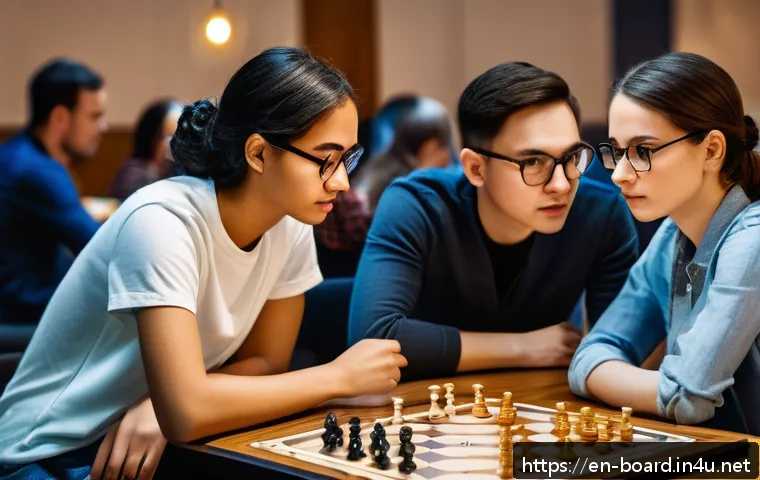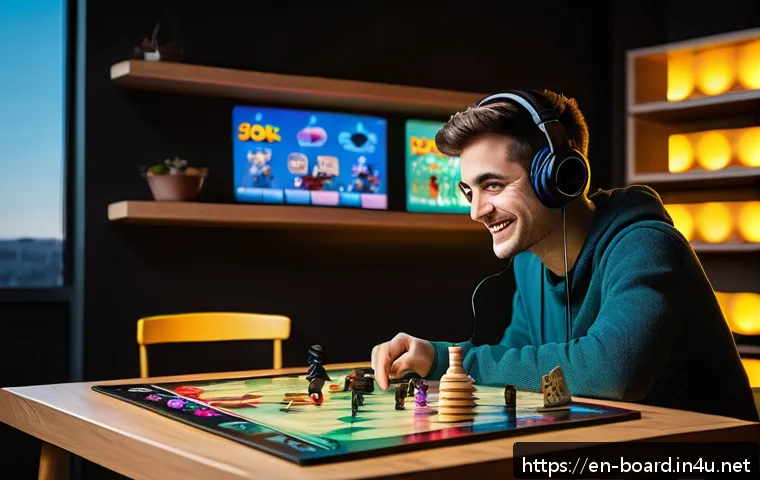
Hey everyone! You know that unique thrill you get when you’re deep into a board game, completely lost in the strategy of your next move, or trying to outwit your opponents?
It’s much more than just a way to pass the time; there’s a whole fascinating world of human psychology unfolding right on the tabletop. From the sneaky bluffs you might pull in a card game to the intense decision-making in a complex strategy game, these moments often mirror how we handle real-life challenges, connect with others, and even understand ourselves better.
I’ve personally discovered so much about my own problem-solving styles and the dynamics within my friend group just by playing these games, and I’m confident you have too.
So, let’s peel back the layers and truly explore the captivating psychology behind why we love our favorite board games!
The Social Glue of Shared Experiences
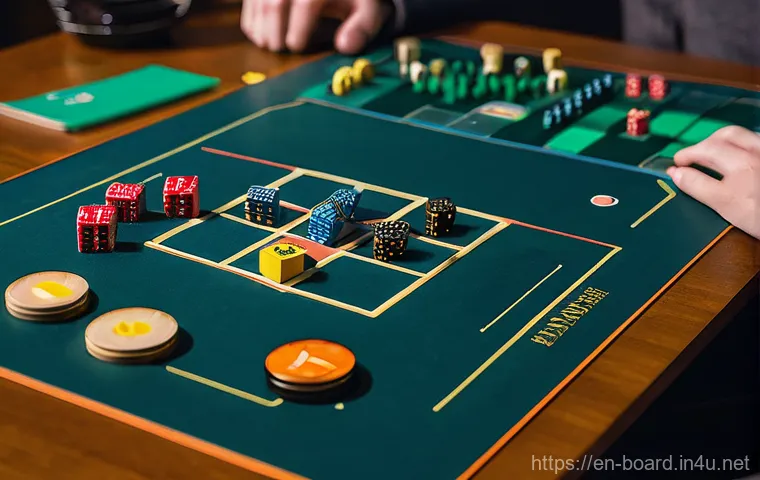
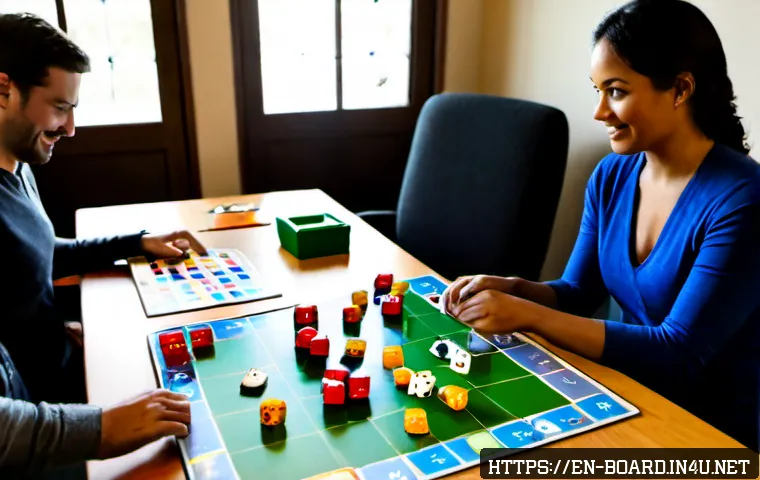
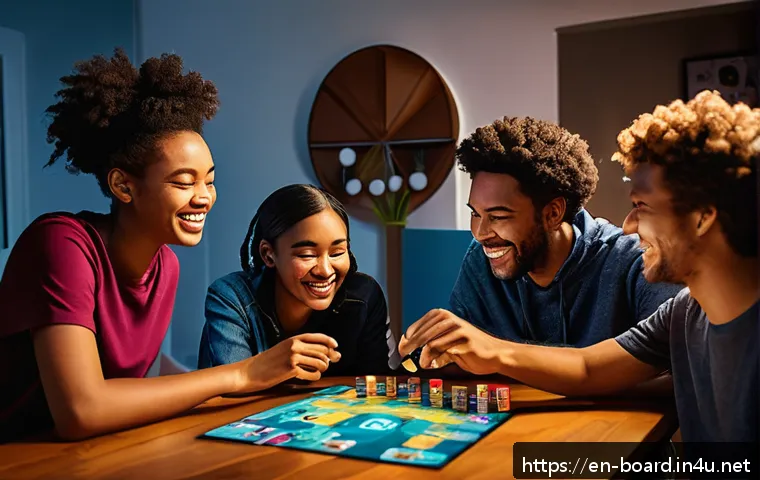
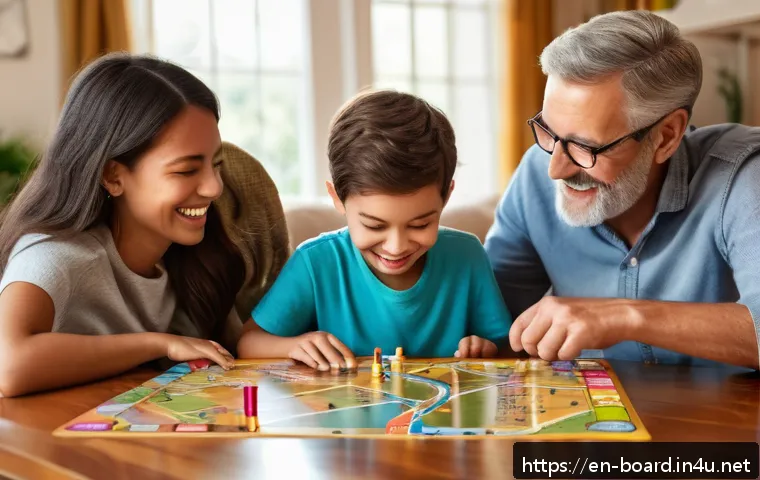
You know, there’s just something magical about gathering around a table with friends or family, a fresh game laid out, and that collective anticipation hanging in the air.
It’s a feeling I absolutely cherish, and it’s a huge part of why board games have become such a staple in my life and, I bet, in yours too. Beyond the rules and the pieces, these games create a unique social dynamic, almost like a temporary mini-society where we interact, negotiate, and sometimes even playfully betray each other.
I’ve personally seen shy friends open up and become fiercely competitive strategists, and usually boisterous pals learn the art of quiet, intense focus.
It’s truly fascinating how a simple box of cardboard and plastic can facilitate such genuine connection and shared laughter. We’re not just moving pawns; we’re building memories, strengthening bonds, and learning more about each other’s personalities and thought processes with every turn.
It’s an informal, delightful training ground for social intelligence, and honestly, who doesn’t love a good excuse to just hang out and disconnect from our screens for a bit?
Forging Connections Through Play
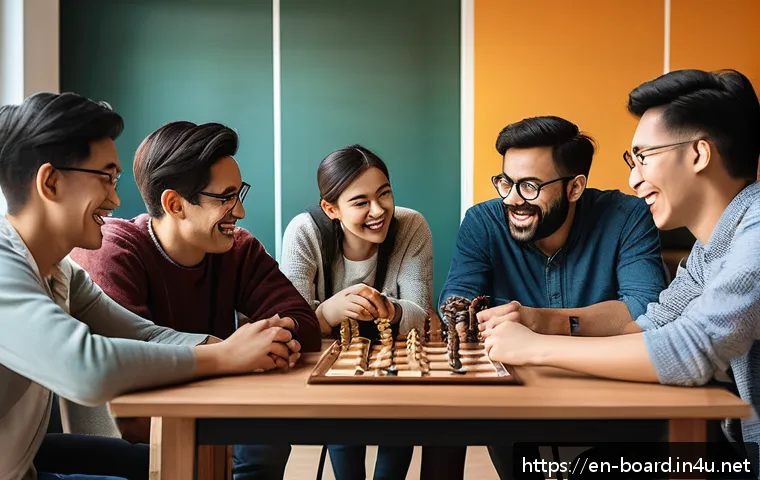
I’ve had countless evenings where a game night turned into a deep conversation, sparked by a particularly clever move or a hilarious blunder. These shared moments of triumph and defeat often act as catalysts for real-life connection.
Think about it: when you’re working together in a cooperative game, celebrating a collective win, or even commiserating over a brutal loss, you’re experiencing genuine emotional synchronization with your fellow players.
It’s a much more active and engaging form of social interaction than simply watching a movie together. My own friend group regularly brings out a game like Codenames or Gloomhaven, and it’s incredible to see how quickly we fall into a rhythm, understanding each other’s communication styles and even non-verbal cues.
This collaborative problem-solving, or even competitive banter, builds a unique kind of camaraderie that’s hard to replicate in other settings.
Navigating Group Dynamics
Every board game group has its own unique flavor, right? There’s the alpha strategist, the rule-hound, the chaotic player who just wants to cause mayhem, and the quiet observer who pulls off a surprise win.
Playing games regularly with the same people really highlights these roles and helps us understand the dynamics at play. I’ve learned so much about effective communication and conflict resolution just by observing how different personalities handle setbacks or unexpected twists in a game.
For instance, in a game of Settlers of Catan, understanding who to trade with, who to block, and who might suddenly become your biggest rival is a masterclass in reading the room and adapting your strategy on the fly.
It’s like a low-stakes laboratory for human behavior, offering a safe space to test boundaries and explore different social roles without any real-world consequences.
Unmasking Our Inner Strategist
There’s a special kind of mental spark that ignites when you’re faced with a complex board game, isn’t there? It’s that exhilarating feeling of mapping out multiple turns ahead, anticipating your opponent’s next move, and trying to optimize your own actions for maximum impact.
For me, it’s one of the most satisfying aspects of gaming. I’ve spent hours poring over game boards, analyzing probabilities, and trying to concoct the perfect plan, only to have it completely derailed by a single dice roll or an unexpected play from a rival.
Yet, even in defeat, there’s a valuable lesson learned, a refinement of my strategic thinking. These games aren’t just about luck; they’re mental workouts that sharpen our decision-making skills, force us to think critically, and encourage us to adapt quickly when things don’t go according to plan.
It’s like a gym for the brain, constantly pushing us to innovate and problem-solve in novel situations.
The Art of Forward Thinking and Planning
One of the clearest psychological benefits I’ve observed from playing strategy games like Terraforming Mars or Scythe is the significant improvement in my ability to think several steps ahead.
It’s not just about what you’re doing *now*, but what that action enables or prevents two or three turns down the line. I often find myself mentally rehearsing different scenarios, weighing the pros and cons of various choices before committing.
This isn’t just useful for winning games; it translates directly into my daily life. Whether I’m planning a project at work or figuring out my weekend schedule, that habit of foresight and contingency planning cultivated by gaming really comes in handy.
It teaches you to consider the ripple effects of your decisions, encouraging a more thoughtful and less impulsive approach to challenges.
Adapting to Unexpected Twists
No matter how meticulously you plan, board games, like life, will inevitably throw you a curveball. A key resource might get stolen, an opponent might pull off an unforeseen combo, or the luck of the draw might just not be in your favor.
It’s in these moments that our adaptability is truly tested. I’ve definitely had my share of frustration when a perfectly laid plan crumbles, but I’ve also learned to pivot, to find a new path to victory even when the original one is blocked.
This resilience and ability to improvise are incredibly valuable skills. Instead of getting stuck on the original strategy, board games teach us to assess the new landscape, re-evaluate our options, and come up with an alternative solution, often under pressure.
It’s a powerful lesson in going with the flow and embracing unforeseen challenges as opportunities for creative problem-solving.
The Emotional Rollercoaster: Wins, Losses, and Everything In Between
Let’s be real, board games are absolutely packed with emotions, aren’t they? From the pure elation of a hard-fought victory to the groan-inducing despair of a last-minute defeat, playing games puts us through the wringer.
I’ve experienced the triumphant fist pump of pulling off a perfect combo in Magic: The Gathering, and the soul-crushing agony of having my entire empire wiped out in Risk.
And you know what? Both extremes are part of the fun! It’s this wide spectrum of feelings that makes the experience so incredibly engaging.
We invest ourselves in the outcome, cheering for ourselves and our allies, and sometimes, letting out a frustrated sigh when the dice just aren’t rolling our way.
This emotional investment isn’t just about the game itself; it’s a safe way to experience and process a whole range of human emotions in a low-stakes environment, which I think is pretty healthy.
Coping with Defeat and Celebrating Success
One of the most profound psychological lessons I’ve learned from board games is how to handle both winning and losing gracefully. It’s easy to be a good winner, but it takes real character to be a good loser.
I’ve had to learn to shrug off bad luck, congratulate opponents sincerely, and reflect on what I could have done better without letting frustration completely take over.
Conversely, celebrating a win isn’t just about ego; it’s about acknowledging a job well done, a strategy executed effectively, or a clever play that paid off.
These micro-experiences of success and failure, repeated over countless game nights, slowly build our emotional resilience and teach us valuable lessons about perspective.
It’s a great way to practice emotional regulation in a fun, interactive setting, and I’ve certainly seen my own capacity for bouncing back from setbacks improve dramatically thanks to all those losses!
The Thrill of Anticipation and Uncertainty
There’s an undeniable rush that comes from not knowing what’s going to happen next. Will your opponent play that card you’re dreading? Will the event card reveal something catastrophic or incredibly beneficial?
This element of uncertainty is a powerful psychological hook. I find myself on the edge of my seat during crucial moments, my heart pounding as a die tumbles or a card is flipped.
This feeling, often described as ‘flow’ by psychologists, is deeply satisfying. It pulls us completely into the present moment, away from our everyday worries.
It’s a break from the predictable, a dive into a world where possibilities are constantly shifting, and that sense of dynamic unpredictability is what keeps us coming back for more.
It’s a natural high, a genuine thrill that digital entertainment often struggles to replicate in the same tangible way.
Beyond the Dice: Learning Life Skills on the Tabletop
It might sound a bit over-the-top, but I genuinely believe that board games are fantastic, fun, and often sneaky ways to pick up some seriously valuable life skills.
I’m not just talking about counting or basic strategy here; I mean things that actually help you navigate the real world. Think about it: every game presents a unique problem, and you’re constantly evaluating resources, managing risk, and making decisions under pressure.
I’ve personally found that the critical thinking I employ in games like Puerto Rico or Agricola – where every move feels crucial – has honed my ability to analyze situations more thoroughly in my professional life.
It’s like a sandbox for developing crucial cognitive and interpersonal abilities without the harsh consequences of real-world mistakes. Who knew that moving little wooden pieces around could be so educational?
Resource Management and Prioritization
Many of my favorite games, especially those with economic or engine-building mechanics, revolve around cleverly managing limited resources. You might have only so much wood, grain, or money, and you have to decide where to allocate it for the greatest long-term benefit.
This is a skill I use every single day, whether I’m budgeting my finances, managing my time, or allocating tasks in a project. Board games provide a clear, immediate feedback loop on how well you’re prioritizing and using your assets.
I remember one game of Power Grid where I completely mismanaged my fuel supply early on, and it crippled my ability to expand later. That taught me a stark lesson about sustainable growth and forward-planning that I actually applied when thinking about my personal savings.
These tangible examples of success or failure make the lessons stick.
Negotiation and Persuasion Tactics
Games like Diplomacy or even just trading in Catan are incredible training grounds for negotiation and persuasion. You learn to read people, understand their needs, identify potential allies, and articulate your own proposals convincingly.
I’ve seen firsthand how players develop their “poker face” and their ability to subtly influence others. It’s not always about brute force or having the best hand; often, it’s about making a compelling argument, building trust, or even a little bit of playful bluffing.
My friends and I often joke about the “board game lawyers” among us, those who can argue their case so eloquently that you almost believe them! This constant practice in understanding motivations and crafting persuasive arguments is undoubtedly a transferable skill that benefits anyone in their social and professional interactions.
| Psychological Aspect | How Board Games Apply It | Real-World Skill Enhanced |
|---|---|---|
| Cognitive Load Management | Players analyze multiple options, track resources, and anticipate outcomes simultaneously. | Problem-solving, critical thinking, decision-making under pressure. |
| Emotional Regulation | Experiencing wins, losses, unfair events, and managing reactions to them. | Resilience, sportsmanship, coping with frustration, emotional intelligence. |
| Social Interaction & Empathy | Negotiating, cooperating, competing, and understanding other players’ intentions and strategies. | Communication, teamwork, leadership, perspective-taking, conflict resolution. |
| Risk Assessment | Evaluating the probability of success for actions, weighing potential gains vs. losses. | Strategic planning, calculated decision-making, financial literacy. |
Why We Keep Coming Back for More: The Hook of Engagement

There’s a certain undeniable allure to board games, a gravitational pull that makes us want to set up the pieces and roll the dice again and again. It’s not just about winning; it’s about the entire experience, the challenge, the social interaction, and that unique blend of strategy and chance.
For me, the moment I pack away a game, I’m often already thinking about how I could have played differently, what new strategy I’ll try next time, or which expansion I might want to explore.
This constant cycle of reflection and anticipation is a huge part of the psychological hook. It feeds into our natural human desire for mastery, for improvement, and for novel experiences.
We crave that feeling of progress, of learning, and of engaging our minds in a way that feels both challenging and incredibly rewarding.
The Drive for Mastery and Improvement
One of the most powerful psychological motivators in board gaming is the drive to get better. I remember feeling completely overwhelmed the first time I played a complex eurogame like Gloomhaven.
There were so many rules, so many systems to learn! But with each session, I slowly started to grasp the mechanics, optimize my turns, and contribute more effectively to the team.
That feeling of gradual mastery, of seeing tangible improvement in my strategic thinking, is incredibly satisfying. It’s not just about becoming a “good player”; it’s about pushing my own cognitive limits and expanding my understanding of complex systems.
This pursuit of personal growth, the joy of overcoming a steep learning curve, is a fundamental human desire that board games tap into brilliantly, offering clear, measurable feedback on our progress.
The Dopamine Hit of Novelty and Discovery
Even with games you’ve played countless times, there’s always an element of novelty. A new combination of cards, a different opening strategy from an opponent, or a surprising event can completely change the dynamic.
This constant influx of new situations and discoveries provides a regular hit of dopamine, keeping our brains engaged and excited. I love exploring new games and delving into their unique mechanics, but even with old favorites, there’s a joy in uncovering subtle synergies or trying out a new character or faction.
This blend of familiarity and novelty keeps the experience fresh and prevents burnout. It’s that delightful unpredictability, the promise of something new to learn or experience, that keeps the board game shelf calling my name week after week.
Confronting Our Biases: What Games Reveal About Us
It’s funny how a seemingly innocent board game can sometimes shine a spotlight on our own cognitive biases and ingrained ways of thinking. I’ve often caught myself making assumptions about an opponent’s strategy, only to be completely blindsided because I was projecting my own thought process onto them.
Or I’ll stubbornly stick to a plan even when all evidence points to it being a losing one, simply because I’ve invested too much in it – a classic example of the “sunk cost fallacy” playing out right on the table.
These moments can be a bit humbling, but they’re also incredibly insightful. Games offer a low-stakes environment to observe these biases in action, giving us a chance to recognize them and, hopefully, learn to mitigate them in our real lives.
It’s a powerful, personal mirror.
Overcoming Confirmation Bias and Sunk Costs
How many times have you been playing a game and stubbornly clung to a strategy even when it clearly wasn’t working, just because you’ve already invested so many resources or turns into it?
I know I have! That’s a perfect example of the sunk cost fallacy in action. Similarly, confirmation bias often leads us to seek out and interpret information in a way that confirms our existing beliefs about a player or a strategy, even if contradictory evidence is staring us in the face.
Board games, by providing immediate and often brutal feedback, force us to confront these biases. I’ve had to learn the hard way that sometimes, cutting your losses and pivoting to a new strategy, even if it feels like abandoning an investment, is the smartest move.
It’s a painful but valuable lesson that makes me think twice about sticking to a failing plan outside of game night too.
The Perils of Overconfidence and Underestimation
Oh, the number of times I’ve felt supremely confident about my position in a game, only to be utterly crushed in the final turns! It’s a stark reminder of the dangers of overconfidence.
Conversely, I’ve also learned not to underestimate any opponent, no matter how quiet or seemingly inexperienced they might seem. Some of the most satisfying wins I’ve witnessed (and occasionally achieved!) have come from a seemingly underdog player carefully building their engine in the background and then unleashing a powerful, unexpected move.
These experiences teach us humility and the importance of continuously assessing the situation, rather than relying on initial impressions or assumptions.
It’s a fantastic training ground for avoiding hubris and staying vigilant, lessons that are universally applicable.
The Art of Deception: Bluffing and Reading the Room
There’s a unique, almost thrilling psychological dance that happens in games where bluffing is a core mechanic. It’s not just about lying; it’s about creating a believable narrative, subtly influencing perceptions, and trying to decipher whether your opponent is truly holding that powerful card or just putting on a brave face.
I absolutely love games like Coup or The Resistance, where a significant portion of the gameplay happens not on the board, but in the minds of the players.
It’s a masterclass in non-verbal communication, reading subtle cues, and understanding human nature. The adrenaline rush of pulling off a successful bluff, or the satisfaction of calling out a lie, is something truly special and deeply human.
It’s a fascinating peek into the intricate ways we try to manipulate and understand each other.
Mastering the Poker Face and Subtlety
Developing a good “poker face” isn’t just for card players. In many social deduction games, your ability to maintain composure, avoid nervous tells, and project an air of calm confidence can be the difference between victory and defeat.
I’ve spent countless hours with friends, honing my ability to deliver a convincing lie or to stare down an accuser without flinching. It’s not about being dishonest in real life, of course, but it’s about understanding the psychology of perception and how to control the information you’re giving off.
You learn to listen not just to what people say, but how they say it, looking for those tiny inconsistencies or shifts in body language that might betray their true intentions.
It’s a delightful exercise in reading between the lines and becoming more attuned to social cues.
Detecting Deception and Building Trust
On the flip side of bluffing is the equally challenging skill of detecting deception. How do you know who to trust in a game of secret identities? How do you distinguish a genuine plea for help from a calculated ploy?
This requires careful observation, critical thinking, and a good memory of past interactions. I’ve learned to pay close attention to voting patterns, the way players argue their case, and even who they choose to sit next to!
It’s a constant process of hypothesis testing and adjusting your understanding of others. Over time, you build up a mental profile of your fellow players, learning their tells and their typical strategies.
This fosters a deeper understanding of human behavior and trust dynamics, skills that are incredibly relevant in any social or professional setting where collaboration and understanding intentions are key.
Closing Thoughts
So, there you have it – my deep dive into why board games are so much more than just pieces on a board. What I’ve truly discovered, through countless game nights and endless discussions, is that they’re powerful tools for connecting with others, sharpening our minds, and even understanding ourselves a little better.
They offer a unique blend of challenge and camaraderie that’s hard to find elsewhere. I genuinely believe that in our increasingly digital world, these tactile, face-to-face experiences are more valuable than ever, helping us build not just game strategies, but real-world relationships and essential life skills.
It’s an investment in fun that pays dividends in personal growth and shared joy, and honestly, who wouldn’t want that?
Useful Information to Know
1. Start with a gateway game. Don’t dive straight into a complex eurogame! Begin with accessible titles like Ticket to Ride or Catan to get everyone comfortable with basic mechanics and the joy of playing together. It makes a huge difference in hooking new players.
2. Know your audience. Before picking a game, consider who you’re playing with. Are they competitive? Do they prefer cooperation? Tailoring your game choice to the group’s preferences dramatically increases everyone’s enjoyment and keeps them coming back.
3. Embrace house rules (sometimes). While learning the official rules is crucial, don’t be afraid to tweak minor things if it makes the game more fun for your specific group. Just make sure everyone agrees beforehand to avoid arguments later!
4. Create a welcoming atmosphere. Beyond the game itself, the environment matters. Snacks, drinks, good music, and a comfortable space can elevate a simple game night into a memorable social event. It’s all about the experience!
5. Explore different genres. Don’t get stuck in a rut! If you only play strategy games, try a party game or a deduction game. Each genre offers unique psychological challenges and social interactions, expanding your horizons and keeping things fresh.
Key Takeaways
Reflecting on all the vibrant moments board games have brought into my life, it’s clear they offer far more than simple entertainment. They are profound platforms for personal and social development, subtly honing our strategic thinking, fostering emotional resilience, and deeply enriching our social bonds.
What I’ve consistently observed is that these games provide a safe, engaging space to practice real-world skills – from managing resources and negotiating effectively to adapting to unexpected challenges and gracefully handling both triumph and defeat.
They don’t just teach us how to win a game; they teach us invaluable lessons about communication, empathy, and the exciting dance of human interaction.
So, next time you gather around the tabletop, remember you’re not just playing; you’re growing, connecting, and creating indelible memories that extend far beyond the final score.
It’s an investment in yourself and your relationships, wrapped up in a package of pure fun.
Frequently Asked Questions (FAQ) 📖
Q: So, how exactly do board games reveal our true selves or even our hidden problem-solving styles?
A: Oh, this is such a brilliant question, and honestly, it’s one of my favorite aspects of diving into a game night! You know, I’ve found that when you’re under the pressure of a ticking clock in a game like Codenames or trying to outmaneuver your friends in Ticket to Ride, your true decision-making process just comes bubbling to the surface.
It’s not just about winning; it’s about how you try to win. Are you the cautious planner who thinks five steps ahead, meticulously placing your pieces?
Or are you the daring risk-taker, always going for that big, flashy play, even if it means a higher chance of failure? I’ve personally seen how my friends, who are super laid-back in everyday life, transform into intensely strategic masterminds over a game of Terraforming Mars, or how someone I thought was shy suddenly becomes the most charismatic bluffer in Poker.
It’s like a mini-laboratory for human behavior, offering a safe space to test out different approaches and see which parts of your personality shine under pressure.
It’s truly fascinating to observe how different challenges within a game can highlight aspects of ourselves we might not even realize are there, from our patience levels to our capacity for creative problem-solving.
Q: Can spending time on the tabletop actually help us improve real-life skills or strengthen our relationships?
A: Absolutely, without a doubt! This is where the magic really happens, in my opinion. Think about it: every time you negotiate a trade in Settlers of Catan or collaborate to save the world in Pandemic, you’re not just playing a game; you’re honing essential life skills.
I’ve noticed a huge difference in how my own communication improves, especially when explaining complex strategies or trying to convince others to see my perspective.
It’s like a low-stakes training ground for persuasion and teamwork! And relationships? Oh my goodness, yes!
Some of my closest friendships have been forged over epic game nights. You learn to read people, understand their motivations, and even manage conflict (because, let’s be real, someone always gets a little too competitive!).
We’ve all had those moments where you see a friend struggling with a decision in Dominion, and offering a helpful hint (or even just moral support!) builds a bond.
It teaches you empathy, sportsmanship, and the sheer joy of sharing an experience, win or lose. The shared laughter, the occasional groans of defeat, and the collective celebration of a hard-won victory are incredible for building lasting connections and trust.
Q: What makes certain board games so much more psychologically engaging or satisfying than others?
A: That’s the million-dollar question, isn’t it? From my experience, the games that truly grab you by the brain and don’t let go usually hit a few key psychological sweet spots.
First, there’s often a perfect blend of challenge and reward. If a game is too easy, it’s boring; too hard, it’s frustrating. But when it strikes that balance, where you feel like your effort and strategic thinking are genuinely making a difference, that’s incredibly satisfying.
Then, there’s the element of control versus uncertainty. Games that allow for strategic planning but also inject just enough randomness or player interaction to keep you on your toes – those are the real winners.
You feel like you have agency, but there’s also that thrilling unpredictability that keeps you engaged. Think about the tension in Risk when you’re waiting to see if your last roll will conquer Australia!
Also, the narrative or thematic immersion plays a huge role. When a game’s story or world draws you in, your brain is more invested. It’s not just moving pawns; you’re building an empire, solving a mystery, or escaping a dungeon.
Finally, the social interaction is massive. Whether it’s the friendly banter, the cunning bluffs, or the shared sense of accomplishment, games that foster meaningful interaction with other players tend to leave the deepest psychological imprint.
It’s about feeling connected, challenged, and ultimately, a part of something fun and engaging!