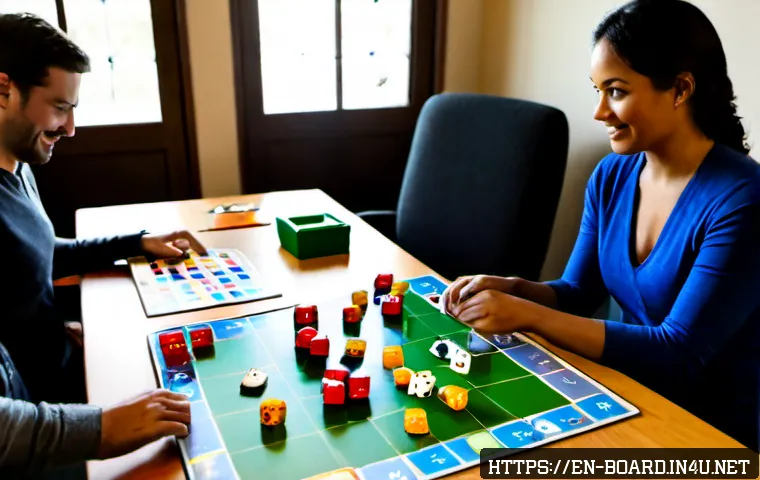
Hey there, fellow game lovers! Can you believe how much the world of board games has transformed lately? I’ve always been one for those cozy nights gathered around a table, dice clattering, cards shuffling, and the pure joy of outsmarting my friends.
But lately, it feels like our beloved tabletop adventures are getting a serious upgrade, and honestly, it’s nothing short of revolutionary! From clever companion apps that add a whole new dimension to gameplay, like providing interactive tutorials or tracking scores, to mind-blowing augmented reality experiences that bring your game board to life right in your living room, the boundaries are just dissolving.
It’s like we’re stepping into a sci-fi novel where every game is an epic, immersive journey. And don’t even get me started on how artificial intelligence is shaping our solo play, making every opponent feel uniquely challenging and dynamic.
This isn’t just about adding screens; it’s about enriching the core experience, making games more accessible, more thrilling, and connecting us in entirely new ways across the globe.
Trust me, you’re going to want to see what’s next! The simple joy of rolling dice and moving pieces is now intertwining with cutting-edge tech, creating experiences that genuinely redefine what tabletop gaming can be.
We’re seeing everything from smart components reacting to your every move and sophisticated AI opponents adapting to your strategy, to incredible augmented and virtual reality features that pull you right into the heart of the game.
It’s a fascinating blend of the tactile and the digital, promising a future where our game nights are more thrilling and connected than ever. Let’s dive deep and explore how technology is revolutionizing our favorite pastime.
Alright, fellow board game enthusiasts! Get ready to have your minds blown because we’re diving headfirst into how technology is absolutely transforming our favorite pastime.
I’m talking about board games evolving from simple cardboard and dice to mind-bending, immersive experiences that genuinely feel like something out of a sci-fi movie.
It’s not just about adding a screen; it’s about making every game night more thrilling, more connected, and frankly, more unforgettable. I’ve been playing tabletop games for years, collecting everything from classic Euros to the latest Kickstarter behemoths, and even I’m constantly amazed by the ingenious ways tech is shaking things up.
Bringing Boards to Life: The Magic of Augmented Reality
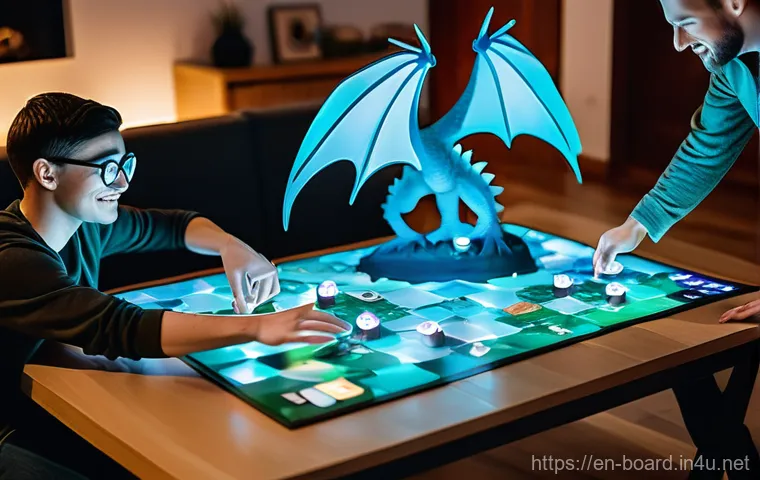
Honestly, when I first heard about augmented reality board games, I was a bit skeptical. I mean, my old-school heart loves the tactile feel of cardboard and miniatures. But let me tell you, diving into a game where creatures literally seemed to crawl out of the board onto my living room table? My jaw hit the floor! AR technology is truly making our static game boards dynamic canvases, overlaying digital information, animations, and even interactive elements right onto our physical game components. It’s like having a miniature, living world right there on your table, reacting to your every move. Remember that holographic chess from Star Wars? That’s not just a movie fantasy anymore, folks! Games like ‘Monopoly: AR Edition’ and ‘Catan: Rise of the Inca’ are taking beloved classics and infusing them with 3D virtual boards, animated characters, and enhanced trading features that make every turn feel fresh and exciting. It’s such a wild experience to see your settlements rise in 3D or watch your train routes extend across a vibrant, animated map. This fusion means you still get to touch and feel your game pieces, but the world around them becomes so much richer and more alive. I’ve found that it really amps up the immersion, drawing everyone deeper into the game’s theme in a way that static art never could. For families, it can even motivate a game night, making the experience more engaging and visually appealing for children and adults alike.
Interactive Overlays and Dynamic Storytelling
One of the coolest things about AR in board games is how it can transform the narrative. Instead of just reading flavor text, you might scan a card with your tablet, and suddenly an animated character appears, delivering a quest or a crucial piece of lore. This really pulls you into the story, making you feel like you’re part of an unfolding epic rather than just moving pieces on a board. Games are using AR to introduce interactive clues, animated events, and even real-time updates that respond to player actions. ‘Clue: The Classic Mystery’ leverages AR to let players explore the game board and uncover clues with interactive digital elements, making the investigation process far more engaging and visually appealing. It’s not just about flashy graphics; it’s about deepening the narrative and making every decision feel more impactful because you’re witnessing the immediate consequences brought to life right before your eyes. This dynamic storytelling capability means that no two playthroughs are ever quite the same, boosting replayability significantly.
Physical Interaction with Digital Enhancements
What I love most is that AR doesn’t replace the physical interaction; it enhances it. You still get to roll your dice, move your miniatures, and feel the weight of the cards in your hand. The technology simply adds another layer of magic on top. Imagine placing a pawn on a field and the board lighting up, or resources being counted automatically with interactive light elements. Devices like Tilt Five even offer dedicated AR glasses and game boards that project virtual worlds onto your tabletop, creating an incredibly immersive experience. This blend gives us the best of both worlds: the tangible joy of physical components combined with the limitless possibilities of digital immersion. It means designers can create more complex, evolving game states without burdening players with endless rulebooks or fiddly components. My own experience with some early AR prototypes left me completely hooked – it’s a seamless integration that elevates the entire gaming session.
Your Digital Game Master: Companion Apps Taking the Helm
Let’s be real, sometimes the most intimidating part of a new board game is that hefty rulebook, right? Or maybe keeping track of a dozen different tokens and scoring elements. That’s where companion apps swoop in like real superheroes. These aren’t just glorified PDF readers; they’re dynamic digital assistants that streamline gameplay, manage complex rules, and even enhance the atmosphere. I’ve personally seen how a good app can transform a clunky game into a smooth, enjoyable experience, freeing up brainpower for strategy instead of rules-lawyering. They handle everything from automated score tracking and managing resources to providing immersive soundscapes and interactive tutorials that get you playing faster. For instance, apps like ‘Board Games Companion’ help enthusiasts manage their collections, track scores, and even integrate with databases like Board Game Geek. These tools are incredibly helpful for newcomers to learn the ropes quickly, and for veterans, they ensure that complex rules are clarified on the fly, preventing disputes and keeping the game flowing beautifully. It feels like having a personal, unbiased game master at your fingertips, letting everyone focus on the fun.
Automating the Fiddly Bits
One of the biggest game-changers for me has been how companion apps handle all the “fiddly bits” that can bog down a game. Think about games with extensive setup, intricate scoring, or constantly changing rules. Apps can manage all of that in the background, allowing players to concentrate on the actual decisions and narrative. Take ‘Mansions of Madness’ (Second Edition), for example. The app guides you on where to place clues, monsters, and non-player characters, even dictating enemy movements and revealing new areas as you explore. This dramatically reduces overhead and streamlines the game, turning what could be a headache into a genuinely immersive mystery. I remember playing a cooperative game once where the app managed all the enemy AI and event triggers, and it was so much smoother than flipping through dozens of cards and charts. It made the game feel more cinematic and less like a chore.
Enhanced Immersion and Dynamic Events
Beyond just managing rules, these apps can deeply enhance the game’s atmosphere. Imagine playing a horror game where the app plays chilling sound effects or a tense countdown timer that ramps up the pressure. ‘Fuse,’ a thrilling bomb defusal game, uses its companion app to provide an intense 10-minute timer with background music and eerie voice snippets, elevating the suspense. Many apps also introduce dynamic events, new quests, or adaptive scenarios that keep each playthrough fresh and unpredictable. This isn’t just about bells and whistles; it’s about making the game feel more alive and responsive to your actions. From a monetary perspective, this increased engagement and replayability translates directly to higher player retention and satisfaction, potentially leading to more expansions or future game purchases, which is a win-win for everyone.
Intelligent Adversaries: AI in Solo and Cooperative Play
If you’re anything like me, sometimes getting a full game group together can be a challenge. Life happens, schedules clash, and suddenly your epic campaign is on hold. That’s where AI in board games has become an absolute godsend for solo gamers and smaller groups. No longer are we stuck with static, predictable solo variants. Today’s AI opponents, often called “automas,” are designed to mimic human players, offering genuinely challenging and dynamic gameplay even when you’re playing alone. I’ve spent countless hours battling these digital brains, and it’s incredible how many of them manage to capture the essence of playing against a real person. They take turns, score points, and adapt their strategies, ensuring that every session feels like a legitimate competition. This isn’t just about complex coding; it’s about clever design that translates strategic depth into manageable, engaging solo experiences. It means more time actually playing the games we love, rather than waiting for the stars to align for a group session.
Adaptive Opponents and Dynamic Challenges
The beauty of modern board game AI lies in its adaptability. It’s not just following a script; it’s often analyzing your actions and adjusting its strategy to keep you on your toes. For example, some AI systems in games like ‘Lost Ruins of Arnak’ have a dynamic action deck where their next moves become more predictable based on what they’ve already played, creating a fascinating push-and-pull. This personalized approach ensures that the game remains challenging without becoming unfairly frustrating, a balance that’s notoriously difficult to strike. I’ve found that this adaptive difficulty truly enhances the long-term replayability of games, as you’re never quite sure what the AI will throw at you next. It gives that satisfying feeling of overcoming a truly intelligent opponent, even if it’s just a deck of cards or a flow chart.
AI as the Ultimate Game Master and Scenario Creator
Beyond just being an opponent, AI is also stepping into the role of a virtual game master, especially in more narrative-driven or role-playing experiences. Imagine AI that can craft entire worlds, generate new scenarios, or even adapt storylines on the fly based on your choices. This is a game-changer for solo and cooperative campaigns, allowing for a level of dynamic storytelling that was once only possible with a human GM. It opens up endless possibilities for emergent narratives and truly unique playthroughs. I’ve experimented with some AI-assisted dungeon crawlers, and the sheer unpredictability and reactivity of the system were astounding. It really makes the world feel alive and responsive, creating stories that feel genuinely unique to your playthrough. This enhanced experience keeps me coming back for more, increasing my dwell time and overall enjoyment, which is fantastic for the longevity of a game.
Interactive Elements: Beyond Basic Components
We’ve come a long way from just cardboard and wooden cubes. While I still adore those classic components, the integration of interactive elements directly into board games is seriously next-level. Think about game boards that light up, pieces with embedded electronics, or even digital screens that are part of the physical play area. These aren’t just gimmicks; they actively enhance the immersive experience and can even automate complex game mechanics. It’s about taking those tactile components we love and injecting them with a dose of digital magic. I’ve seen games where a creature miniature would light up when it takes damage, or where a “smart” board could track piece movement and automatically trigger events. This kind of integration makes the game feel incredibly responsive and alive, blurring the line between physical and digital play. It adds a new dimension of sensory feedback that traditional components just can’t replicate, making the experience much more engaging.
Smart Boards and Digital Feedback
Imagine a game board equipped with sensors that track your pieces, automatically updating scores or triggering events without you having to lift a finger. This isn’t science fiction anymore! Smart boards can streamline gameplay, reduce errors, and allow for far more complex game logic than ever before. Then there’s the emerging potential of OLED technology directly integrated into game boards, bringing interactive video sequences and dynamic lighting effects to our tabletops. Imagine placing a pawn and seeing the board magically light up, or resources being counted with interactive light elements. One pioneering example is ‘Streaks’ by Buffalo Games, which uses OLEDs to create a flickering candle effect on the board, adding both stress and immersion to the gameplay. This kind of instant, visual feedback makes the game world feel incredibly reactive and alive. It’s truly exciting to think about what designers will do with these capabilities in the coming years.
Electronic Components and Dynamic Play
Beyond the board itself, individual game components are also getting a tech upgrade. Some games feature electronic devices that act as scorekeepers, randomizers, or even narrative prompts. These can take away some of the manual tracking, letting players immerse themselves more fully in the game’s theme and strategy. I’ve found that these electronic components, when implemented well, add a layer of excitement and unpredictability that keeps things fresh. They ensure accuracy, speed up gameplay, and introduce dynamic elements that would be cumbersome with traditional methods. While some purists might shy away from electronics, I believe that when they serve the game experience rather than overshadow it, they create a much more engaging and memorable session. It truly makes the physical components feel like they have a digital soul, enhancing interaction in unexpected ways.
| Aspect | Traditional Board Games | Tech-Enhanced Board Games |
|---|---|---|
| Rule Management | Physical rulebook, player interpretation, potential disputes | Companion app manages rules, provides interactive tutorials, clarifies ambiguities |
| Gameplay Immersion | Static art, imagination-driven narrative | Augmented Reality overlays, animated events, soundscapes, dynamic storytelling |
| Opponent AI | Manual “automa” systems, fixed patterns, limited adaptability | Adaptive AI, learning algorithms, dynamic difficulty, challenging solo play |
| Component Interaction | Manual movement, static pieces | Smart boards tracking pieces, lighting effects, electronic components, digital feedback |
| Social Connectivity | In-person only, limited to local groups | Online platforms, virtual tabletops, global multiplayer options |
| Customization | Aftermarket upgrades, painted miniatures | 3D printing for personalized components, custom game elements, DIY expansions |
Connecting Gamers Across Continents: Online Tabletop Platforms
The beauty of board games has always been the face-to-face interaction, the shared laughter, and the camaraderie around a table. But let’s be honest, in today’s globalized world, not all our favorite gaming buddies live next door. That’s where online tabletop platforms have become an absolute lifesaver for me and my long-distance friends. These platforms aren’t just digital versions of games; many are full-fledged virtual tabletops that simulate the physical experience, allowing you to play almost any game with anyone, anywhere in the world. I’ve had some of my most memorable gaming sessions with friends scattered across different time zones, all thanks to these incredible digital spaces. It feels like we’re still gathered around a table, just a really, really big one that stretches across oceans. The ability to connect and play without geographical constraints has truly expanded my gaming horizons and allowed me to maintain connections that would otherwise be difficult.
Virtual Tabletop Realism
Platforms like Tabletop Simulator or Roll20 are designed to mimic the tactile feel of physical board games as closely as possible. You can pick up cards, roll dice with realistic physics, move miniatures, and even manage complex game states, all within a 3D virtual environment. Some even offer VR integration, creating a shared virtual space where it truly feels like you’re in the same room as your fellow players. This level of realism goes a long way in preserving the social aspect of board gaming, even when you’re physically apart. I’ve found that the immersion on these platforms can be surprisingly deep, and the tools they offer for managing games, from integrated rulebooks to automated calculations, make the experience incredibly smooth. It’s not just about playing the game; it’s about sharing the experience, the banter, and the strategic thinking with friends, no matter the distance.
Expanding the Gaming Community
Beyond playing with existing friends, these online platforms have opened up entirely new avenues for finding gaming communities. Whether you’re looking for a specific game, a particular playstyle, or just new people to connect with, virtual tabletops make it incredibly easy to jump into a game. Websites like StartPlaying, for instance, are dedicated to helping players find tabletop RPGs and professional GMs online, connecting thousands of players globally. This has democratized access to games that might otherwise be hard to find players for, fostering a vibrant, international community of board game lovers. I’ve met some fantastic people through these platforms, expanding my gaming circle far beyond what I ever thought possible. It’s a testament to how technology can bring people together over a shared passion, making the hobby more accessible and inclusive for everyone.
Personalizing Your Play: Customization and 3D Printing
As a passionate gamer, I’m always looking for ways to make my games truly *mine*. We all love those beautifully crafted components that come in deluxe editions, but what if you could take it a step further? That’s where advancements in 3D printing and DIY tech have revolutionized personalization in board gaming. It’s not just about aesthetics; it’s about enhancing functionality, organization, and even creating entirely new gameplay experiences. I’ve spent hours browsing online communities, finding custom inserts, upgraded tokens, and even unique miniatures that make my favorite games pop. It gives you this amazing sense of ownership and connection to your collection, knowing that you’ve tweaked it to perfectly fit your preferences. The level of detail and creativity available now is absolutely astounding, turning every game into a personalized masterpiece.
Crafting Unique Components
3D printing has become incredibly accessible, allowing hobbyists to create custom game components, inserts, and organizers that perfectly fit their needs. Tired of fiddly cardboard tokens? You can print detailed, thematic resin pieces. Need a better way to store all those expansion components? Design a custom insert! Websites like Thingiverse and Printables are overflowing with user-created designs for popular games, from resource holders for ‘Wingspan’ to full-box organizers for ‘Scythe.’ There are even companies specializing in high-quality, pre-designed 3D-printed upgrades, offering anything from unique tokens to custom player boards. This level of customization allows you to not only protect your games but also elevate their tactile and visual appeal, making each play session feel more premium. I’ve personally printed a few custom card holders and token trays, and it makes setup and teardown so much smoother, improving the overall flow of the game.
DIY Expansions and Rule Modifications
Beyond just cosmetic upgrades, 3D printing and accessible tech tools empower gamers to create their own “house rules” components or even entirely new mini-expansions. Imagine designing new characters, monsters, or scenario pieces that integrate seamlessly with your existing game. This DIY approach fosters incredible creativity within the community, allowing players to truly become game designers in their own right. It’s about empowering the individual to shape their gaming experience in ways that were previously impossible. I’ve seen some incredibly clever community-made content that breathes new life into games, and the ability to physically manifest those ideas through 3D printing is a game-changer. This personal touch not only enhances my enjoyment but also encourages me to engage more deeply with the game’s mechanics and lore, further boosting my overall engagement.
The Future’s Unfolding: What’s Next for Analog-Digital Hybrids?
Looking ahead, it’s clear that the convergence of technology and tabletop gaming is just getting started. We’ve already seen incredible innovations, but the horizon is bursting with even more mind-bending possibilities. The blend of the tactile and the digital is becoming increasingly seamless, creating experiences that cater to every type of gamer. From advanced AI that can truly learn and adapt over time to hyper-realistic augmented and virtual reality that completely blurs the lines of our physical space, the future of board games promises to be more immersive, personalized, and connected than ever before. It’s a truly exciting time to be a board game enthusiast, and I, for one, can’t wait to see what brilliant innovations game designers and tech wizards will conjure up next. This evolving landscape ensures that our beloved hobby will continue to grow and surprise us for years to come, keeping us engaged and coming back for more.
Next-Gen AI and Machine Learning
Imagine board game AI that doesn’t just adapt to your current game, but learns from *all* your past plays, evolving its strategies to become an even more cunning and challenging opponent over time. We’re talking about machine learning algorithms integrated into board games, creating truly dynamic and unpredictable adversaries. This could lead to AI opponents with distinct personalities or even ones that specialize in certain strategies based on their “experience.” For designers, AI can also streamline the design process itself, simulating and testing game mechanics to find optimal balance and dynamics, reducing the need for extensive traditional playtesting. This advanced AI could even generate new scenarios or challenges based on player preferences, ensuring that every session feels fresh and tailored to individual tastes. It’s a vision where the game itself grows and adapts with you, offering an unparalleled level of personalization and ongoing challenge.
Advanced Mixed Reality Experiences
While current AR is fantastic, imagine future mixed reality experiences where entire game worlds are projected onto your table with such fidelity that it feels entirely real. We’re talking about AR/VR headsets that flawlessly blend digital elements with your physical environment, creating truly indistinguishable hybrid realities. This could allow for incredibly complex and sprawling game worlds that simply couldn’t exist on a traditional physical board, reacting to gestures, voice commands, and even your physical proximity to components. Think about an escape room board game where the environment literally transforms around you as you solve puzzles, or a strategy game where your battles unfold in cinematic detail right on your dining table. Games like ‘Panic in Gotham City Augmented Reality Board Game’ are already showing us glimpses of these mixed reality possibilities, creating immersive mystery experiences that blend physical components with digital clues and videos. This takes immersion to a whole new level, pushing the boundaries of what we traditionally consider a “board game” and inviting us into truly breathtaking interactive worlds.
Wrapping Things Up
Well, wasn’t that a wild ride? It’s genuinely exciting to see how our beloved board game hobby is embracing technology, isn’t it? From creatures leaping off the board in AR to companion apps that make game setup a breeze, and even AI opponents that offer a genuinely challenging solo experience, the landscape of tabletop gaming is richer and more diverse than ever before. For me, it truly feels like we’re in a golden age where the tactile joy of physical components meets the limitless possibilities of the digital world. This synergy isn’t about replacing the magic of gathering around a table; it’s about amplifying it, making our game nights even more memorable and accessible to everyone. The future of board games isn’t just bright; it’s brilliantly interactive and endlessly engaging, and I’m absolutely here for it!
Useful Information to Know
1. Don’t shy away from games with companion apps! They often streamline complex rules, manage fiddly components, and can even enhance immersion with dynamic soundscapes and events, making the game smoother and more enjoyable for everyone.
2. If you have friends scattered across the globe, virtual tabletop platforms like Tabletop Simulator or Roll20 are incredible for staying connected. They offer a surprisingly realistic and social gaming experience, allowing you to play almost any game together.
3. Explore the world of 3D printing for customization! You can find a wealth of community-designed upgrades, inserts, and personalized components that will not only organize your games but also make them truly unique and enhance their visual appeal.
4. Keep an eye on augmented reality (AR) board games. While still emerging, they offer a truly novel and immersive experience, blending physical play with dynamic digital overlays that can make your game world come alive in incredible ways.
5. For solo gamers or when your group can’t meet, many modern board games are now designed with sophisticated AI opponents (“automas”). These provide genuinely challenging and adaptive solo play, ensuring you can enjoy your favorite games anytime.
Key Takeaways
The integration of technology is transforming board gaming by enhancing immersion through augmented reality and dynamic digital elements, simplifying gameplay with intelligent companion apps, and making the hobby more accessible through adaptive AI for solo play and virtual platforms for global connections. This evolution maintains the beloved tactile experience while opening up new avenues for creativity, personalization, and community engagement, ensuring our shared passion for tabletop games continues to thrive and surprise us.
Frequently Asked Questions (FAQ) 📖
Q: How is technology really changing board games beyond just a simple app?
A: This is such a great question, and honestly, it goes way deeper than just a score-keeping app! From my own experience, it feels like technology is breathing new life into every aspect of board gaming.
We’re seeing smart components – think game pieces that light up or react when you move them, or even entire game boards that dynamically change based on in-game events.
Imagine a dungeon crawler where the map actually shifts as you explore! Then there’s the incredible rise of AI opponents in solo play. I used to think solo gaming meant just running through a static scenario, but with AI, it’s like having a genuinely challenging, unpredictable adversary right there with you.
It learns, it adapts, and it makes every single-player experience feel fresh and unique. And let’s not forget augmented reality (AR)! I’ve actually played a game where my living room table transformed into a fantastical battlefield through my phone’s camera – it was mind-blowing to see dragons flying over my coffee table!
It’s all about creating deeper immersion, more dynamic gameplay, and incredibly personalized experiences that just weren’t possible before. It’s not just an add-on; it’s an integral part of the game’s DNA.
Q: Do these tech-infused games still capture the traditional “board game” feel, or are they something totally different?
A: I totally get why you’d ask that – it’s a valid concern for us purists! When I first heard about some of these tech integrations, I admit I was a little skeptical, worried we’d lose that tactile, face-to-face charm we all love.
But what I’ve discovered is that the best tech-enhanced games don’t replace the traditional feel; they actually amplify it. The core mechanics of rolling dice, moving pieces, and interacting with your friends around a table are still very much there.
The technology often serves as a fantastic support
Q: What are some exciting examples of this new wave of tech-enhanced board games that I should check out?
A: Oh, this is where it gets really fun! If you’re looking to dive into this brave new world, there are some fantastic options out there. For a truly immersive experience, I’d highly recommend checking out games that use companion apps in a significant way, not just for scoring.
Think titles like Destinies or Chronicles of Crime. The apps in these games often act as your dungeon master, narrating story choices, managing enemy encounters, and even tracking your progression through sprawling campaigns.
They really make the narrative come alive. If you’re into the AR side of things, keep an eye out for projects like Tilt Five, which brings holographic gaming to your tabletop – it’s still pretty niche but absolutely mind-blowing when you see it in action.
And for those who love solo play, many modern games are now integrating sophisticated AI systems, even without a digital app, but the app-driven ones truly shine by bringing an interactive mystery or adventure to your table.
The key is to look for games where the tech feels integrated and enhances, rather than distracts from, the core gameplay. There’s a whole universe of innovative titles waiting for you!