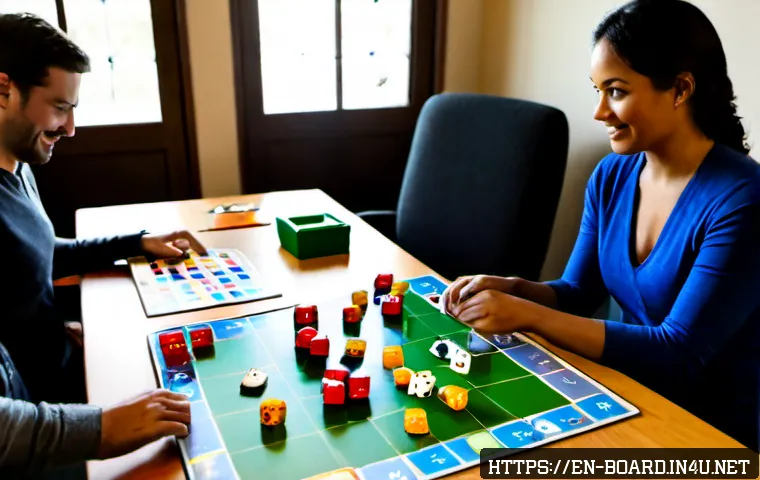
Ever dreamt of creating the next big hit in the tabletop world, seeing your game on shelves, or perhaps even sparking a global phenomenon like Catan or Exploding Kittens?
Well, my fellow game enthusiasts, you’re living in what many are calling the “golden age of board gaming,” and the opportunities for aspiring designers are absolutely exploding!
I’ve been immersed in this incredible hobby for years, dabbling in my own designs and watching countless others turn their passion into reality, and let me tell you, there’s a unique thrill in bringing a fresh idea to the table.
With crowdfunding platforms like Kickstarter and Gamefound continuing to empower indie creators, and digital tools like Tabletop Simulator making prototyping easier than ever, the path from a clever concept to a playable game is more accessible than it’s ever been.
But how do you stand out in such a vibrant, competitive space? How do you get that critical feedback, attract publisher attention, or even just find the motivation to finally finish that game idea you’ve been sketching out?
That’s where board game creation contests come in! These aren’t just about winning a prize; they’re an invaluable launchpad for honing your skills, gaining exposure, and connecting with industry professionals who can truly open doors for your future as a game designer.
Trust me, the insights you gain from professional judges alone are worth their weight in gold, pushing your design further than you could imagine. So, if you’re ready to unleash your inner game designer and take that exciting leap, let’s dive into how these contests can be your ultimate game-changer!
The Unseen Advantages of Contest Participation
Beyond the Trophy: The Power of Professional Feedback
When I first started tinkering with game ideas, I’ll be honest, my initial thought about contests was all about the win. Who doesn’t want to see their name in lights or bag a sweet prize package?
But what I quickly learned, and what truly transformed my design process, was the sheer value of the feedback. Imagine having experienced game designers, publishers, and industry veterans critically assess your creation.
It’s like getting a masterclass tailored specifically to your game, identifying blind spots you didn’t even know you had. I remember submitting an early prototype, brimming with confidence, only to have a judge politely point out a core mechanism that, while clever on paper, utterly collapsed under repeated play.
Ouch! It stung a bit, but that sting led to a complete overhaul that made the game infinitely better. This isn’t just about spotting flaws; it’s about understanding why something isn’t working and getting pointers on how to fix it.
This kind of structured, expert critique is incredibly rare and often expensive to procure outside of these contest settings. It forces you to look at your game objectively, pushing you to refine, iterate, and truly elevate your design from a fun idea to a polished, publishable product.
Without that direct, actionable advice, many of my early concepts would have probably fizzled out. It’s truly a shortcut to improvement that no amount of solo playtesting can fully replicate.
Opening Doors: Networking and Industry Exposure
Beyond the nitty-gritty of design feedback, contests are an absolute goldmine for networking. It’s not just about meeting other aspiring designers, though that’s fantastic for finding playtesters and collaborators, it’s about getting your game and you in front of the people who can actually make things happen.
Think about it: publishers, agents, and even established designers often volunteer as judges or attend these events. I’ve heard countless stories, and experienced a few myself, where a chance conversation at a contest or a positive review from a judge led directly to a publishing deal or an invitation to a prestigious design retreat.
One friend of mine, after placing in a smaller online contest, caught the eye of a well-known publisher who then requested a full prototype review. That game is now on Kickstarter, fully funded!
These aren’t just one-off events; they’re communities. You start building relationships, showing your dedication, and demonstrating your ability to not only design a great game but also to follow through.
It’s a fantastic way to bypass the often-impenetrable slush pile and get direct access. Plus, simply having “Award-Winning Designer” or “Finalist in [Contest Name]” on your resume or game box adds a layer of credibility that money can’t buy.
It tells the world, and potential partners, that your work has been vetted and recognized.
Choosing Your Arena: Navigating the Contest Landscape
Finding the Right Fit: Online vs. Physical Events
The world of board game creation contests is incredibly diverse, and honestly, picking the right one can feel a bit like trying to decide which game to play from a massive collection!
When I first started looking, I was overwhelmed. Should I go for a big-name physical convention contest, or dive into the bustling world of online competitions?
Each has its distinct flavor and advantages. Physical contests, often held at conventions like Gen Con or Origins, offer an unparalleled opportunity for face-to-face interaction.
You can pitch your game directly, watch people playtest it live, and get immediate, visceral reactions. There’s an undeniable energy in presenting your game in person, showcasing your passion directly to judges and potential fans.
The downside? Travel costs, accommodation, and the sheer logistical effort can be a barrier. Online contests, on the other hand, have democratized the playing field.
Platforms like Tabletop Simulator, BoardGameArena, and even dedicated Discord servers host contests that allow designers from all corners of the globe to participate.
This dramatically reduces costs and makes participation incredibly accessible. You often get written feedback, which can be fantastic for reflection, and it allows you to iterate remotely.
I’ve found that starting with online contests can be a great way to dip your toes in, get some initial feedback, and build confidence before considering the bigger, in-person events.
Ultimately, the “best” contest is the one that aligns with your current resources, your game’s stage of development, and your personal comfort level.
Decoding the Rules: Themes, Mechanics, and Submission Criteria
Before you even think about hitting that “submit” button, you absolutely must dive deep into the contest rules. I’ve learned this the hard way – nothing’s more frustrating than spending weeks on a submission only to realize you’ve missed a critical requirement or misunderstood the theme!
Some contests are wide open, accepting any genre or mechanic, while others are incredibly specific. You might find contests focused solely on roll-and-writes, abstract games, or games built around a particular theme like environmentalism or historical events.
Publishers often run contests to find games that fit their specific catalog, so understanding their publishing ethos can be key. For example, a contest run by a company known for heavy Eurogames probably isn’t the best place to submit your light party game, even if it’s brilliant.
Pay close attention to submission criteria: what’s required for the prototype (physical, digital, PnP), how detailed should the rulebook be, and are video pitches encouraged or mandatory?
Many contests have strict word counts for designer diaries or pitch documents, and ignoring those limits can sometimes lead to disqualification. It’s not just about making a great game; it’s about making a great game that fits the contest’s parameters perfectly.
Treat the rules like the ultimate game manual for their competition, and you’ll be one step ahead.
Crafting Your Winning Entry: Insights from the Grind
Polishing Your Pitch: The First Impression is Everything
You know that moment when you meet someone new and you just click? Or when you see a game box and instantly know you want to play it? That’s the feeling you want to evoke with your contest entry’s pitch.
It’s not just about describing your game; it’s about selling the experience. I’ve seen so many fantastic games get overlooked because their elevator pitch was just…
dull. Judges are sifting through dozens, sometimes hundreds, of submissions, and you have precious few seconds to grab their attention. My personal trick?
Start with the hook! What’s the most exciting, unique, or compelling aspect of your game? Is it a novel mechanic, a captivating theme, or a unique player interaction?
Clearly articulate the core concept, the player count, approximate playtime, and the primary objective. Use evocative language – don’t just say “it’s a card game,” say “it’s a tense, bluffing card game where every decision could lead to glorious victory or spectacular betrayal!” A strong pitch demonstrates that you not only have a great game but that you also understand how to communicate its value.
And please, for the love of all that is good, proofread! Typos and grammatical errors in your pitch instantly undermine your professionalism and attention to detail.
Remember, you’re not just designing a game; you’re designing an experience, and the pitch is the first taste of that.
The Rulebook: Your Game’s Silent Teacher
If your pitch is the dazzling storefront, your rulebook is the clear, well-organized instruction manual that ensures customers can actually use the product.
And let me tell you, a bad rulebook can absolutely sink an otherwise brilliant game. I’ve personally played many prototypes where the core game was fascinating, but the rulebook was so obtuse, ambiguous, or poorly organized that I just gave up in frustration.
Judges are busy people, and they need to be able to learn your game quickly and accurately. Think of your rulebook as your game’s silent teacher. It needs to be precise, unambiguous, and logically structured.
Start with a clear overview, then introduce components, setup, gameplay flow, and then delve into specific rules and edge cases. Use examples, diagrams, and bolding to highlight key information.
I always try to get people who haven’t played my game before to read the rulebook and set up the game themselves. Their confusion points are invaluable for identifying where clarification is needed.
Another crucial tip: ensure every single component mentioned in the rulebook is clearly defined and accounted for. There’s nothing worse than reading about a “Power Token” only to realize you don’t know what it looks like or how many there are.
A well-written rulebook demonstrates thoughtfulness, attention to detail, and a deep understanding of your own game. It builds trust, and trust is huge when judges are considering your entry.
The Table: A Snapshot of Key Contest Elements
Understanding what judges typically look for in a board game contest can significantly refine your approach. Here’s a quick overview of some common evaluation criteria:
| Category | What Judges Are Looking For | Why It Matters |
|---|---|---|
| Innovation & Originality | Unique mechanics, fresh themes, novel player interactions, or a new twist on existing ideas. Does the game stand out? | Distinguishes your game from the crowd and shows creative thinking. Publishers seek novelty. |
| Gameplay & Mechanics | Clear, consistent, engaging, and balanced rules. Smooth player flow, meaningful decisions, and appropriate complexity. | Ensures the game is fun, playable, and offers a compelling experience for players. |
| Theme Integration | How well the theme is woven into the mechanics and overall experience. Does the theme enhance gameplay? | A strong theme makes a game more immersive and memorable, adding emotional depth. |
| Replayability | Does the game offer different paths to victory, varied strategies, or emergent gameplay that encourages multiple plays? | Crucial for long-term enjoyment and value, making players want to return to the game repeatedly. |
| Presentation & Clarity | Well-written rulebook, clear components, understandable iconography, and a professional-looking prototype (even if simple). | Facilitates learning and playing the game, demonstrating attention to detail and a respect for the player’s time. |
Keeping these points in mind as you develop your game and prepare your submission can give you a significant edge, helping you tailor your design to meet the expectations of experienced evaluators.
Beyond the Win: The Long-Term Impact on Your Journey
Building a Designer Portfolio and Reputation
Even if you don’t walk away with the grand prize, merely participating in and placing in board game contests builds something incredibly valuable: your designer portfolio and reputation.
Think of it like an artist showcasing their work or a writer submitting short stories to literary magazines. Each contest entry, each piece of feedback you incorporate, and every finalist spot adds a significant bullet point to your growing resume as a game designer.
When I started, I had zero credibility. Now, after a few contest runs, I can confidently point to specific games that have received recognition or positive critiques.
This isn’t just about ego; it’s practical. When you approach a publisher, having a track record of contest participation demonstrates dedication, a willingness to iterate, and an ability to produce games that stand up to scrutiny.
It shows you’re serious. It also signals to other designers and playtesters that you’re an active and engaged member of the community. People are more likely to offer their time and expertise to someone who is actively pursuing opportunities and showing tangible progress.
Your “losses” are just as valuable as your “wins” in this regard, as they showcase your persistence and commitment to continuous improvement. It’s a cumulative process, and every contest adds another layer to your professional identity in the board game world.
Fueling Your Creative Engine: Motivation and Iteration
Let’s be honest, designing a board game is a marathon, not a sprint. There are moments of exhilarating creativity, but also long stretches of tedious balancing, frustrating playtests, and the dreaded designer’s block.
Contests, for me, have been an incredible source of motivation, a much-needed fire under my creative engine. That external deadline, that sense of a finish line, can be incredibly powerful in pushing you to actually complete a prototype rather than letting it languish in “someday” pile.
I’ve had so many game ideas that I’d sketch out and then just… leave. But with a contest deadline looming, suddenly that vague idea transforms into a tangible project with a clear goal.
The feedback you receive, whether positive or constructive, fuels further iteration. It’s easy to get tunnel vision when you’re working on a game alone, but external input provides fresh perspectives, inspiring new solutions and refinements.
Even if a game doesn’t win, the process of refining it for a contest often takes it to a much higher level of polish and playability than it would have reached otherwise.
It’s a cyclical process: you design, you submit, you get feedback, you iterate, and that improved game forms the basis for your next, even better, submission.
This constant cycle of creation and refinement is how designers grow, and contests provide that essential structure.
Sidestepping the Snags: Common Pitfalls and Smart Strategies
Don’t Over-Scope: The Perils of Grand Ambition

One of the biggest mistakes I see aspiring designers make, and honestly, one I’ve been guilty of myself, is over-scoping. We get these grand visions of an epic, sprawling game with a thousand components, a complex narrative, and mechanics for every possible contingency.
While that ambition is admirable, it’s a trap, especially when entering a contest. Contests often have tight deadlines, and judges have limited time to learn and evaluate.
A simpler, more refined game with elegant mechanics will almost always outperform a sprawling, unfocused epic that’s only half-baked. I learned this when I submitted a game with three different modules and intricate player powers, and the feedback was unanimous: “Too much.
Focus on the core.” It was a tough pill to swallow, but they were absolutely right. Start small, focus on one or two truly innovative mechanics, and make them sing.
A polished, accessible prototype that clearly demonstrates its core appeal is far more impressive than an ambitious mess. Remember, you can always expand on a successful core concept later.
Your goal in a contest is to showcase your design chops and the potential of your idea, not to deliver a finished, retail-ready product right out of the gate.
Keep it lean, keep it mean, and keep it focused.
The Prototype Paradox: Polish vs. Playability
This is a classic dilemma for contest entrants: how polished does your prototype need to be? There’s a fine line between a prototype that’s visually clear and one that’s a professional-grade production.
On one hand, you want your components to be readable and functional – no handwritten cards with illegible scribbles! On the other hand, spending weeks illustrating every card and crafting custom miniatures for a game that might undergo significant changes after feedback is a colossal waste of time and resources.
I’ve heard judges say they prefer a functional, clear prototype over a pretty one that’s a nightmare to play. My approach, refined over several submissions, is to aim for “presentable clarity.” Use clear fonts, distinct colors for different components, and legible iconography.
Print-and-play components are perfectly acceptable, as long as they’re well-organized and easy to handle. The focus should always be on playability first.
Can someone pick up your prototype, read the rules, and play it without constant questions or confusion? If the answer is yes, then you’ve hit the sweet spot.
A slick aesthetic is a bonus, but never at the expense of functionality. A simple, well-organized prototype communicates that you respect the judges’ time and that you understand the core purpose of a prototype: to test the game, not to be a final product.
Attracting Publisher Interest: Beyond the Winning Streak
What Publishers Truly Seek in Contest Entries
It’s easy to think publishers are just looking for the next Catan, fully formed and ready to print. While a truly groundbreaking design certainly helps, what many publishers actually seek in contest entries is potential and a strong demonstration of design acumen.
They’re looking for a solid core mechanism, a compelling theme, and evidence that you understand game flow and player experience. I’ve had conversations with several indie publishers who emphasized that a game doesn’t need to be perfect.
What they want to see is a designer who can iterate, who takes feedback well, and whose game shows promise. They’re often scouting for talent as much as they are for a specific game.
This means showcasing your ability to design a playable game, even if it’s not perfectly balanced yet. They want to see a clear vision, a game that knows what it wants to be.
Is it a tense economic game? A lighthearted party game? A deep strategy experience?
Clarity of purpose is huge. A game that tries to be everything to everyone often ends up being nothing to anyone. Think of it as a proof of concept for your design skills, not just the game itself.
Your entry is a calling card, demonstrating your ability to innovate and execute.
Building Relationships: More Than Just a Game
Remember those networking opportunities I mentioned earlier? They become even more critical when you’re looking to attract publisher attention. Winning a contest is fantastic, of course, but building relationships with judges, other designers, and even publisher representatives who might just be observing, is invaluable.
I’ve seen situations where a game didn’t win, but a publisher judge was so impressed by the designer’s professionalism, their pitch, or their willingness to incorporate feedback, that they followed up with them later.
It’s about showing that you’re not just a “one-hit wonder” but a dedicated, collaborative individual who understands the industry. Attend online Q&As, engage respectfully with feedback, and be present in the communities around these contests.
Sometimes, a “no” on one game can turn into an “absolutely” on your next game, simply because you’ve demonstrated consistency and a good attitude. It’s a marathon, not a sprint, and every interaction builds your reputation.
Publishers are looking for long-term partners, not just a single product. Being a good human who also happens to design great games? That’s a winning combination.
Community & Collaboration: The Unexpected Contest Perks
Finding Your Tribe: Fellow Designers as Your Best Allies
When I first started, I truly felt like I was on an island, toiling away on my game ideas in isolation. It was fun, but also incredibly challenging to get objective feedback or even just some moral support.
Contests, whether online or physical, completely blew that feeling out of the water. Suddenly, I was surrounded by my people – other passionate, creative minds wrestling with similar design dilemmas.
These aren’t just competitors; they’re your best allies! I’ve formed invaluable friendships and collaborative partnerships through contest participation.
We swap playtesting sessions, offer each other candid feedback, and cheer each other on. There’s a shared understanding of the struggles and triumphs of game design that you just don’t get elsewhere.
I remember one contest where I was really struggling with a particular balancing issue. Another designer, whose game was also in the running, generously offered some brilliant insights that helped me crack the problem.
That’s the spirit of this community! It’s a supportive ecosystem where designers lift each other up. Don’t underestimate the power of these connections; they can be a source of endless inspiration, practical advice, and genuine camaraderie.
It transforms what could be a solitary pursuit into a shared, enriching adventure.
Collaborative Opportunities and Future Projects
Beyond just friendship and feedback, these connections often blossom into genuine collaborative opportunities. How many amazing games do you know that were designed by a team?
Often, these teams meet through mutual connections, shared interests, or yes, even contests. I’ve seen contest participants, after realizing their complementary skill sets, decide to team up on a new project.
One designer might be a brilliant mechanic innovator, while another excels at thematic integration and world-building. Together, they can create something truly extraordinary.
Imagine meeting someone whose art style perfectly complements your game concept, or a rules writer who can distill your complex ideas into crystal-clear instructions.
Contests provide a low-stakes environment to meet these potential partners and assess compatibility. It’s also an excellent way to broaden your own design horizons.
You might playtest a game from a genre you’ve never tackled before, and that experience could spark a completely new idea for your next project, perhaps even in collaboration with the designer of that game.
These platforms are incubators for future successes, not just for individual games, but for fostering the creative partnerships that drive the industry forward.
It’s a wonderful synergy that goes far beyond just winning a prize.
The Financial Frontier: More Than Just Prize Money
The Hidden Value: Development Resources and Support
When we talk about the “financial” side of contests, most people immediately think of prize money, and sure, that’s a nice bonus! But the real, often overlooked, financial value comes in the form of development resources and support.
Imagine winning a contest where the prize isn’t just cash, but professional graphic design services for your game, or access to experienced illustrators at a subsidized rate, or even mentorship from a seasoned game developer.
These are costs that aspiring designers often struggle with. I’ve personally seen smaller publishers offer in-kind prizes like art packages, rulebook editing, or even a guaranteed slot in their next crowdfunding campaign.
These kinds of non-cash prizes can be infinitely more valuable than a modest cash prize, especially for a designer just starting out. They help you bridge the gap between a promising prototype and a publishable product without having to front thousands of dollars yourself.
It’s an investment in your game’s future and your design career, essentially acting as a launchpad by removing significant financial barriers to entry.
It frees you up to focus on what you do best: making your game amazing, rather than worrying about the next bill.
Setting the Stage for Crowdfunding Success
Let’s talk about the big picture: getting your game funded and out into the world. Contests, particularly those that offer significant industry exposure, can be an incredible precursor to a successful crowdfunding campaign.
Think of it as pre-market validation. If your game wins an award or is a finalist in a reputable contest, that’s an immediate, powerful talking point for your Kickstarter or Gamefound page.
It tells potential backers, “Hey, experts have looked at this, and they think it’s good!” This social proof can significantly boost backer confidence and conversion rates.
I’ve watched many designers leverage their contest wins directly into wildly successful campaigns. Not only does it attract initial pledges, but it also generates valuable buzz and media attention.
Bloggers, reviewers, and podcasters are more likely to cover a game that has already received some industry recognition. It gives them a hook, a reason to talk about your game.
While the prize money itself might not make you rich, the credibility and visibility a contest win provides can lead to far greater financial rewards down the line by setting your game up for a strong launch.
It’s an indirect but incredibly effective pathway to commercial success.
Concluding Thoughts
Whew! What a journey we’ve been on, exploring the incredible world of board game contests. It’s truly amazing how much growth, learning, and connection can spring from simply putting your creative work out there. Remember, every submission, every piece of feedback, and every new person you meet is a step forward in your design adventure. Don’t let the fear of not winning hold you back; the real prize often lies in the process itself, in the sharpening of your skills, and the expansion of your network. Keep designing, keep iterating, and most importantly, keep having fun!
Useful Information to Know
1. Even small, local game design contests can provide invaluable early feedback and help you refine your pitch before tackling larger events. Start small, learn big!
2. Networking isn’t just about collecting business cards; it’s about building genuine relationships. Follow up with judges and fellow designers, offer help, and foster a collaborative spirit.
3. Always prioritize clarity and playability in your prototype and rulebook. A polished game that’s hard to understand will always lose to a simpler, clearer one that’s easy to grasp.
4. Utilize online communities like BoardGameGeek forums, Discord servers, and Tabletop Simulator groups for remote playtesting and early, informal critiques before a formal submission.
5. Consider a contest’s specific goals. Is it to find a game for a publisher’s specific line, or a general innovation prize? Tailoring your entry can significantly boost your chances.
Key Takeaways
Participating in game design contests offers far more than just prize money, providing critical feedback, invaluable networking opportunities, and industry exposure that can accelerate your design career. Focus on a clear, polished, and playable prototype, ensuring your rulebook acts as a silent, effective teacher. Embrace the community, learn from every experience—win or lose—and leverage these opportunities to build your portfolio, attract publisher interest, and fuel your creative journey for long-term success. Your biggest asset is your willingness to share, learn, and iterate.
Frequently Asked Questions (FAQ) 📖
Q: Why should I even consider entering a board game contest if I’m just starting out and my game isn’t perfect yet?
A: Oh, believe me, I totally get that feeling of “it’s not ready yet!” It’s a common hurdle for all creatives. But here’s the kicker: game design contests aren’t just for polished masterpieces.
They are, in my personal experience, one of the best ways to get invaluable, professional feedback that you simply can’t get anywhere else. Many contests are judged by industry pros—folks who really know their stuff.
They’ll give you written feedback, often detailing what works, what doesn’t, and even suggestions for next steps. Think of it as a concentrated design workshop tailored just for your game!
I’ve found that this kind of critique helps you refine your mechanics, iron out those tricky rule ambiguities, and see your game through fresh, expert eyes.
It’s also a fantastic way to light a fire under you and finally get that prototype finished. Plus, you never know, some judges are actually publishers on the lookout for new talent, and your game might just catch their eye.
Even if you don’t win, the feedback alone makes the nominal entry fee completely worth it, and I’ve seen it push designers leaps and bounds ahead in their journey.
It’s truly a low-cost, high-reward investment in your design future.
Q: What kind of board game contests are out there, and how do I figure out which one is the right fit for my game?
A: That’s an excellent question, because the world of board game contests is wonderfully diverse! You’ll find everything from broad “design anything” competitions to super niche challenges.
For instance, some contests, like those often hosted on BoardGameGeek.com or by The Game Crafter, might focus on specific components, like 54-card games or print-and-play wargames, or even a particular theme or mechanic.
Then you have more general design awards like the prestigious Cardboard Edison Award or the Hippodice Competition, which are looking for innovative unpublished prototypes.
There are also competitions, like Premio Archimede, that are specifically focused on unpublished board games and aim to connect designers with publishers.
When I’m looking, I always check the specific requirements: is it for an unpublished game? Does it need a physical prototype, or just a digital submission and video?
Do they have player limits, playtime restrictions, or component constraints? My advice? Don’t force your game into a contest it doesn’t quite fit.
Instead, find contests that naturally align with your game’s current stage of development, its core mechanics, or its target audience. Websites like Cardboard Edison often keep an updated list of active contests, which is a great starting point for finding your perfect match.
Q: Alright, I’m ready to take the plunge! What are your top tips for making my game stand out and potentially winning one of these contests?
A: Fantastic! That’s the spirit! Based on my own dabbling and what I’ve seen work wonders for others, here are my absolute go-to tips.
First, and this is crucial, playtest relentlessly! You need to make sure your game is as tight as possible. Then, craft a crystal-clear rulebook.
Judges are sifting through many entries, so a well-organized, easy-to-understand rulebook is your best friend. I’ve heard judges say they often only have a few minutes to grasp a game, so clarity is king!
My personal trick is to have someone who has never played your game try to learn it only from the rulebook. If they can, you’re golden! Second, make sure your game’s core loop, its unique selling points, and the fun factor shine through immediately, especially in any pitch video you submit.
Don’t spend ages on theme; get straight to how the game plays and what makes it special. A compelling video acts as an appetizer, making judges want to dive into your rulebook for the main course.
Lastly, and this is a big one for me, pay attention to the presentation of your prototype. It doesn’t need to be fancy or expensive, but it needs to be clear, functional, and visually appealing enough to communicate your vision.
Good graphic design, even with simple tools, can make a huge difference in how professional your entry feels. Remember, you’re not just designing a game; you’re presenting an experience!Ever dreamt of creating the next big hit in the tabletop world, seeing your game on shelves, or perhaps even sparking a global phenomenon like Catan or Exploding Kittens?
Well, my fellow game enthusiasts, you’re living in what many are calling the “golden age of board gaming,” and the opportunities for aspiring designers are absolutely exploding!
I’ve been immersed in this incredible hobby for years, dabbling in my own designs and watching countless others turn their passion into reality, and let me tell you, there’s a unique thrill in bringing a fresh idea to the table.
With crowdfunding platforms like Kickstarter and Gamefound continuing to empower indie creators, and digital tools like Tabletop Simulator making prototyping easier than ever, the path from a clever concept to a playable game is more accessible than it’s ever been.
But how do you stand out in such a vibrant, competitive space? How do you get that critical feedback, attract publisher attention, or even just find the motivation to finally finish that game idea you’ve been sketching out?
That’s where board game creation contests come in! These aren’t just about winning a prize; they’re an invaluable launchpad for honing your skills, gaining exposure, and connecting with industry professionals who can truly open doors for your future as a game designer.
Trust me, the insights you gain from professional judges alone are worth their weight in gold, pushing your design further than you could imagine. So, if you’re ready to unleash your inner game designer and take that exciting leap, let’s dive into how these contests can be your ultimate game-changer!
Q: Why should I even consider entering a board game contest if I’m just starting out and my game isn’t perfect yet?
A: Oh, believe me, I totally get that feeling of “it’s not ready yet!” It’s a common hurdle for all creatives. But here’s the kicker: game design contests aren’t just for polished masterpieces.
They are, in my personal experience, one of the best ways to get invaluable, professional feedback that you simply can’t get anywhere else. Many contests are judged by industry pros—folks who really know their stuff.
They’ll give you written feedback, often detailing what works, what doesn’t, and even suggestions for next steps. Think of it as a concentrated design workshop tailored just for your game!
I’ve found that this kind of critique helps you refine your mechanics, iron out those tricky rule ambiguities, and see your game through fresh, expert eyes.
It’s also a fantastic way to light a fire under you and finally get that prototype finished. Plus, you never know, some judges are actually publishers on the lookout for new talent, and your game might just catch their eye.
Even if you don’t win, the feedback alone makes the nominal entry fee completely worth it, and I’ve seen it push designers leaps and bounds ahead in their journey.
It’s truly a low-cost, high-reward investment in your design future.
Q: What kind of board game contests are out there, and how do I figure out which one is the right fit for my game?
A: That’s an excellent question, because the world of board game contests is wonderfully diverse! You’ll find everything from broad “design anything” competitions to super niche challenges.
For instance, some contests, like those often hosted on BoardGameGeek.com or by The Game Crafter, might focus on specific components, like 54-card games or print-and-play wargames, or even a particular theme or mechanic.
Then you have more general design awards like the prestigious Cardboard Edison Award or the Hippodice Competition, which are looking for innovative unpublished prototypes.
There are also competitions, like Premio Archimede, that are specifically focused on unpublished board games and aim to connect designers with publishers.
When I’m looking, I always check the specific requirements: is it for an unpublished game? Does it need a physical prototype, or just a digital submission and video?
Do they have player limits, playtime restrictions, or component constraints? My advice? Don’t force your game into a contest it doesn’t quite fit.
Instead, find contests that naturally align with your game’s current stage of development, its core mechanics, or its target audience. Websites like Cardboard Edison often keep an updated list of active contests, which is a great starting point for finding your perfect match.
Q: Alright, I’m ready to take the plunge! What are your top tips for making my game stand out and potentially winning one of these contests?
A: Fantastic! That’s the spirit! Based on my own dabbling and what I’ve seen work wonders for others, here are my absolute go-to tips.
First, and this is crucial, playtest relentlessly! You need to make sure your game is as tight as possible. Then, craft a crystal-clear rulebook.
Judges are sifting through many entries, so a well-organized, easy-to-understand rulebook is your best friend. I’ve heard judges say they often only have a few minutes to grasp a game, so clarity is king!
My personal trick is to have someone who has never played your game try to learn it only from the rulebook. If they can, you’re golden! Second, make sure your game’s core loop, its unique selling points, and the fun factor shine through immediately, especially in any pitch video you submit.
Don’t spend ages on theme; get straight to how the game plays and what makes it special. A compelling video acts as an appetizer, making judges want to dive into your rulebook for the main course.
Lastly, and this is a big one for me, pay attention to the presentation of your prototype. It doesn’t need to be fancy or expensive, but it needs to be clear, functional, and visually appealing enough to communicate your vision.
Good graphic design, even with simple tools, can make a huge difference in how professional your entry feels. Remember, you’re not just designing a game; you’re presenting an experience!