
Hey there, fellow gamers! If you’re like me, you’ve probably spent countless hours wondering whether to dive into a sprawling board game epic or a quick, clever card game.
Both offer incredible experiences, from intricate strategies to hilarious social interactions, but they tap into different corners of our gaming hearts.
I’ve personally found that knowing the nuances between them can totally transform your game nights, especially with all the amazing new titles constantly hitting the shelves and digital platforms evolving how we play.
There’s a whole universe of fun waiting, whether you prefer detailed miniature skirmishes or the portability of a deck of cards. Let’s peel back the layers and explore the fascinating world where board games meet card games, helping you pick your perfect play!
Unpacking the Time Commitment: Epic Sagas vs. Quick Thrills
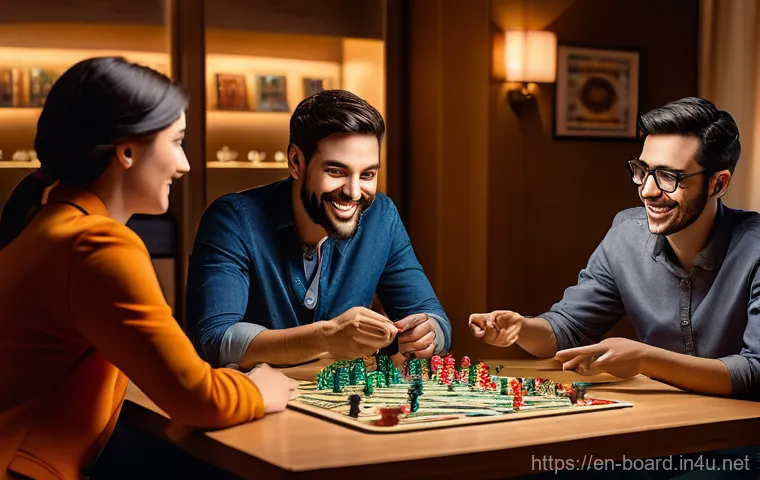
One of the very first things I consider when deciding between a board game and a card game is the clock. Let’s be real, life gets busy, and sometimes you just don’t have three hours to dedicate to a sprawling campaign. Board games, especially those grand strategy or Euro-style games, often demand a significant chunk of your evening. I remember one epic Saturday trying to finish a game of Twilight Imperium with friends, and we literally had to split it into two sessions because it stretched well past midnight! The beauty of these longer games, though, is the incredible narrative that unfolds. You truly feel invested in the outcome, experiencing the highs and lows over a prolonged period. It’s an adventure, a commitment, and when it pays off, that feeling of accomplishment is just immense. On the flip side, sometimes you just want that instant gratification, a quick brain-teaser, or a laugh-out-loud moment without the heavy investment. That’s where card games shine brightly, offering a more immediate and often less daunting entry point into the fun.
The Grandeur of Extended Play Sessions
There’s a special kind of magic in setting up a complex board game, knowing you’re about to embark on a journey that will test your wits and perhaps your friendships (all in good fun, of course!). These games aren’t just about winning; they’re about the experience, the intricate strategies you devise, and the stories you’ll tell afterward. My experience has been that the longer the game, the more memorable the moments – the unexpected betrayals, the heroic comebacks, or that one move that completely swung the game in your favor. It’s an event, almost a mini-vacation from reality, where you can fully immerse yourself in a different world for several hours. This extended playtime also allows for deeper tactical development and the implementation of long-term strategies, which can be incredibly satisfying when they come to fruition.
Instant Fun: Card Games and Their Rapid Rounds
Then you have card games, which are often the champions of brevity and accessibility. Think about a quick round of Exploding Kittens, a couple of hands of Uno, or a lightning-fast game of Sushi Go! They’re perfect for those impromptu game nights, travel, or when you’re just looking to fill a short gap in your day. I love how you can often learn the rules in minutes and be playing within five. This low barrier to entry means you can introduce them to a wider group of friends, even those who aren’t avid gamers, and still have a fantastic time. The thrill often comes from the rapid back-and-forth, the quick decisions, and the often hilarious or dramatic reveals that happen in a matter of minutes. It’s pure, unadulterated fun delivered in a neat, bite-sized package.
Portability and Setup: Adventures in a Box vs. Pockets of Play
Imagine packing for a weekend getaway. Are you stuffing a giant box like Gloomhaven into your already overloaded suitcase, or are you slipping a deck of Cards Against Humanity into your backpack? The practicalities of where and how you play are huge factors for me. Board games, with their often elaborate components—miniatures, sprawling boards, numerous tokens, and dice—require a dedicated space and a good amount of table real estate. Setting up a game like Scythe or Terraforming Mars can be half the fun for some, like a ritual preparing for battle, but it definitely takes time and commitment. From my own gaming sessions, I’ve found that the sheer presence of a beautifully designed board game can transform a regular living room into a game night hub. However, that also means they’re usually staying put.
The Grand Unveiling: The Ritual of Board Game Setup
There’s an undeniable charm to the ‘grand unveiling’ of a board game. Laying out the board, carefully placing the unique player pieces, shuffling the various decks of cards, and organizing all the little tokens – it’s a tactile experience that builds anticipation. For enthusiasts, this setup is part of the immersive experience, a warm-up before the main event. It signifies that you’re about to dive deep into a world, creating a tangible space for strategy and storytelling. I’ve often spent a good 15-20 minutes just getting a game like Brass: Birmingham ready, but that time is also spent chatting with friends, grabbing snacks, and really settling into the evening. It sets a specific mood, signaling that a substantial gaming experience is about to begin. However, this also means spontaneity is often out the window; these games require planning.
Pocket-Sized Powerhouses: Card Games on the Go
Card games, on the other hand, are the ultimate travel companions. Their compact nature means they can go virtually anywhere – a coffee shop, a picnic blanket, an airplane tray table, or even just tucked away in a jacket pocket for an unexpected game break. This incredible portability is a massive draw for me because it opens up so many more opportunities for gaming. I’ve played Exploding Kittens in airports, Monopoly Deal on train journeys, and even a quick game of The Crew while waiting for dinner at a restaurant. There’s almost zero setup time beyond shuffling the deck, making them incredibly convenient for spontaneous fun. They’re fantastic for breaking the ice or just filling those awkward lulls in conversation, providing entertainment without demanding a dedicated gaming space or a lengthy preparation process. This accessibility truly expands when and where you can enjoy gaming.
Strategic Depth vs. Tactical Agility: Brain Burners and Quick Reflexes
When it comes to engaging your grey matter, board games and card games often approach it from different angles. Many board games, especially those heavy Eurogames or war games, are designed for deep, long-term strategic planning. You’re thinking several turns ahead, anticipating opponents’ moves, and executing a grand vision. It’s like a chess match with many more variables, demanding a sustained mental effort. I remember playing Through the Ages and feeling my brain genuinely ache after a session, but it was the good kind of ache, the one that comes from a satisfying mental workout! This kind of strategic depth often leads to a more profound sense of accomplishment when you pull off a complex play that secures your victory. It requires patience and a willingness to learn intricate systems, rewarding those who enjoy mastering a game over time. On the other hand, card games frequently emphasize tactical agility and quick decision-making under pressure.
The Labyrinth of Long-Term Strategy
Board games often present a rich tapestry of interwoven mechanics and decision trees. Players are encouraged to develop overarching strategies, manage resources across multiple rounds, and adapt their plans based on the evolving game state. This depth means that a single game can reveal new layers with each play, offering endless opportunities for mastery. For me, the joy comes from trying to optimize every move, discovering subtle synergies between different game elements, and outmaneuvering my opponents not just for this turn, but for the next five turns. It’s a deliberate, thoughtful process where every decision feels weighty and contributes to a larger narrative. This can be incredibly rewarding, but it also means that these games have a steeper learning curve and can be less forgiving of mistakes. Yet, it’s that complexity that keeps you coming back, craving to refine your approach and explore new strategies.
The Spark of Instantaneous Tactical Decisions
Card games, while not devoid of strategy, often lean more heavily into immediate tactical choices. The hand you’re dealt, the card drawn this turn, or an opponent’s recent play can completely change your best course of action. It’s about reacting, adapting, and making the best move with the information you have right now. Think of games like Magic: The Gathering or even simpler ones like Poker; quick reads of the situation and split-second decisions are paramount. I’ve found that this fast-paced decision-making keeps everyone engaged and on the edge of their seats, leading to exciting swings and unpredictable outcomes. It’s less about a grand strategy and more about seizing opportunities and mitigating risks in the moment. The emphasis on individual turns and rapid responses makes them incredibly dynamic and can lead to many “aha!” moments or hilarious blunders that are quickly forgotten as the next round begins.
The Social Fabric: Intimate Circles vs. Boisterous Gatherings
Gaming, at its heart, is often a social activity, but the kind of interaction a board game fosters can be quite different from a card game. Board games, with their longer playtimes and more complex rules, frequently lead to deeper, more focused conversations around the game itself. You’re huddled together, discussing strategies, forming temporary alliances (and betrayals!), and genuinely engaging with the mechanics and narrative. It creates a shared experience that can really bond a group. I’ve had some of my most memorable and hilarious discussions over a board game table, dissecting a critical move or celebrating an epic win. The physical presence of the board and pieces naturally draws everyone’s attention to a central point, encouraging more direct and sustained interaction. Card games, while still social, often allow for a more casual, free-flowing social dynamic, where the game might be happening in the background of other conversations.
Fostering Focused Interaction and Deep Connections
When you’re deeply immersed in a board game, the shared challenge and the need to communicate effectively can forge strong connections. Players are often talking about their next move, subtly trying to influence others, or openly negotiating deals. This isn’t just about winning; it’s about the journey together. I’ve personally seen how a complex co-operative board game can turn a group of individuals into a cohesive team, all working towards a common goal, celebrating small victories, and commiserating over setbacks. The structured nature of a board game, with its turns and phases, provides natural pauses for discussion and banter, creating a more intimate and focused social setting. It’s less about multitasking and more about shared focus, leading to a richer, more concentrated social experience that can last for hours and build lasting memories among players.
Casual Camaraderie and Lively Banter
Card games are fantastic for creating a lively, often boisterous atmosphere. Because they’re generally quicker and less rule-heavy, they lend themselves well to larger, more casual gatherings where people might be chatting, snacking, and even moving around. The game becomes a fun focal point, but not necessarily the sole focus. Think of a party where a group is playing Apples to Apples or Pictionary (card-driven); there’s laughter, inside jokes, and a constant flow of conversation that intertwines with the gameplay. What I’ve noticed is that card games are brilliant for breaking the ice and getting people comfortable with each other without the pressure of a long, involved strategic commitment. They encourage playful teasing, quick wit, and often generate more spontaneous bursts of laughter. They allow for a more relaxed and dynamic social interaction, making them perfect for informal get-togethers where the goal is simply to have a good time and enjoy each other’s company.
Cost and Collectibility: Investment Pieces vs. Accessible Pleasures
Let’s talk about the wallet, folks! The price tags on board games and card games can vary wildly, and it’s a significant consideration for many of us. Board games, particularly the more elaborate ones with high-quality components, detailed miniatures, and extensive artwork, can be a substantial investment. It’s not uncommon to see new releases costing upwards of $60-$100, and that’s before you even consider expansions! My own game shelf is a testament to this, filled with some incredible, yet pricey, masterpieces. However, for many, these aren’t just games; they’re collector’s items, pieces of art, or even future heirlooms. There’s a certain pride in owning a beautifully produced game that you know will provide countless hours of entertainment. Card games, by and large, tend to be much more budget-friendly, making them incredibly accessible to a wider audience. You can often pick up a fantastic card game for $15-$30, sometimes even less.
The Allure of Premium Board Game Collections
The world of board games has truly embraced the concept of luxury, with many titles featuring bespoke components, stunning artwork, and impressive production values. This higher price point often reflects the sheer amount of content, development, and craftsmanship that goes into these games. For collectors, part of the joy is in acquiring these unique pieces, admiring the details, and building a library of diverse gaming experiences. I’ve definitely splurged on a few Kickstarter projects that promised incredible miniatures and unique gameplay, and while my bank account might have winced, the satisfaction of unboxing and playing those games was immense. These games often hold their value well, and some even appreciate, becoming sought-after items in the secondary market. It’s an investment, not just in entertainment, but often in a tangible piece of gaming culture that can provide years of enjoyment.
The Value and Accessibility of Card Game Decks
Card games offer incredible bang for your buck, making them a fantastic entry point into the gaming hobby without breaking the bank. Their often simple components – primarily cards, perhaps a few tokens – mean production costs are lower, and those savings are passed on to us, the players. This affordability is a huge plus, allowing you to try out many different styles of games without a significant financial commitment. I love how I can grab a new card game on a whim, experiment with it, and if it doesn’t quite click with my group, I haven’t lost a huge amount of money. Beyond the initial purchase, many card games offer expansions that are also reasonably priced, letting you add new layers to your favorite games without the hefty cost of a full new board game. It democratizes gaming, making it easy for anyone to dive in and discover a new passion without feeling like they need to take out a small loan.
Learning Curve and Accessibility: Diving Deep vs. Instant Immersion

Another crucial point, especially when introducing new players, is how easy a game is to pick up and play. Board games, particularly the more complex ones, can have a steep learning curve. The rulebooks can be thick, filled with intricate mechanics, exceptions, and specific phases of play. It often requires someone to patiently teach the game, or a dedicated group to collectively decipher the instructions. I’ve spent countless hours watching “how to play” videos on YouTube before attempting a new board game, just to avoid that initial confusion at the table. While this initial investment can be daunting, it often leads to a more profound and rewarding gameplay experience once the rules click. Card games, however, often excel in their immediate accessibility. Their rulesets tend to be far simpler, making them incredibly easy to teach and learn on the fly.
Navigating the Intricacies of Board Game Manuals
The first hurdle with many board games is often the rulebook itself. They can be dense, sometimes poorly organized, and filled with jargon that’s unfamiliar to new players. Learning a new board game can feel like studying for a test, requiring dedicated attention and a willingness to absorb a lot of information upfront. I’ve definitely been in situations where the first hour of a game night was spent just trying to understand how to play! However, what I’ve discovered is that this initial struggle often leads to a richer payoff. Once you grasp the core mechanics and the nuances, the strategic possibilities open up, and the game becomes incredibly satisfying to master. This deeper learning journey is part of the appeal for many experienced gamers, who enjoy the challenge of unraveling complex systems and discovering clever ways to exploit the rules to their advantage. It’s a journey, not a sprint.
The Joy of Immediate Card Game Understanding
Card games are masters of immediate gratification when it comes to learning. Most card games can be taught in under five or ten minutes, and often, players can pick up the core concepts just by watching a round or two. This low barrier to entry is fantastic for impromptu game sessions and for integrating new people into your gaming group effortlessly. There’s no heavy mental load, no massive rulebook to digest, just simple actions and clear objectives. I’ve brought games like “The Mind” to family gatherings, and within minutes, even my non-gamer relatives were completely hooked and having a blast. This ease of entry makes card games incredibly versatile and inclusive, ensuring that everyone can quickly participate and enjoy the fun without feeling overwhelmed or left behind. It’s all about getting straight to the gameplay and enjoying the experience from the very first hand.
Replayability and Expansion: Ever-Evolving Universes vs. Consistent Core Experiences
The lifespan of a game in your collection often boils down to its replayability. How many times can you play it before it starts feeling stale? Board games and card games tackle this in fascinatingly different ways. Many board games, especially those with modular boards, variable player powers, or scenario-based gameplay, offer immense replayability. Every game feels a little different, forcing you to adapt your strategies. I own several board games where I’ve played dozens of times, and I still feel like I’m discovering new strategies or combinations. Expansions for board games often add significant new content, mechanics, and even entirely new game modes, fundamentally changing the experience. Card games also offer fantastic replayability, often through the sheer variety of card combinations or the dynamic nature of player interaction. However, their expansions usually focus on adding more cards to the existing pool, rather than overhauling the core game structure.
The Boundless Realms of Board Game Modules and Scenarios
One of the strongest aspects of modern board gaming is how designers build replayability directly into the core game. Think about games like Dominion or Star Realms, where the market of available cards changes every game, or games like Ticket to Ride, which offers different maps. Then you have games like Pandemic, which can be played cooperatively against different virus setups. This variability ensures that each playthrough presents a fresh challenge, preventing the game from feeling repetitive. My experience has been that board game expansions are often transformative, adding new layers of complexity, new factions, or even completely new game modes that revitalize the original game. They aren’t just adding more of the same; they’re expanding the universe, offering new strategic puzzles to solve and new narratives to explore. This continuous evolution keeps the game fresh and exciting for years, making the initial investment feel incredibly worthwhile.
The Enduring Appeal of Dynamic Card Combinations
Card games, despite often having simpler rule sets, can boast incredible replayability through the sheer number of possible card combinations and the ever-changing hands you’re dealt. Games like Poker or Rummy are classics for a reason – every hand is unique, forcing players to make new tactical decisions based on their current cards. In collectible card games like Magic: The Gathering, the meta-game of deck construction itself offers endless replayability, as players constantly experiment with new card synergies and strategies. Even non-collectible card games often have enough variety in their decks to ensure that no two games play out exactly the same. What I love about card game expansions is how they subtly deepen the experience, adding new cards that create interesting dilemmas or new powerful combinations without necessarily altering the fundamental rules. It’s about adding more flavor and strategic options to an already solid core, keeping the game engaging without overwhelming players with entirely new systems.
The Unique Appeal: What Draws Us to Each Category
Ultimately, the choice between a board game and a card game often comes down to what kind of experience you’re craving at that particular moment. Both genres offer unparalleled joy and entertainment, but they tap into different aspects of our gaming desires. For me, board games are about the immersive journey, the tactile experience of moving pieces, and the satisfaction of executing a long-term strategy that pays off. They’re often the centerpiece of a dedicated game night, an event in themselves. There’s a certain gravitas to a board game, a feeling that you’re engaging with a carefully crafted system that will challenge and reward you over hours of play. They feel substantial, like a rich novel you can return to again and again, each time discovering new nuances. However, card games have their own distinct magic. They are the masters of instant fun, the spontaneous burst of laughter, and the quick, clever interaction that can happen anywhere, anytime. They’re often more about the immediate thrill and the social energy they generate.
The Immersive Worlds of Board Games
What truly draws me to board games is the sense of immersion they create. When I sit down to play a game like Root or Gloomhaven, I’m not just moving pieces; I’m stepping into a narrative, becoming a character, and influencing a living, breathing world. The elaborate artwork, the detailed miniatures, and the intricate lore all contribute to this feeling of being transported. It’s a complete sensory experience that captivates you for the duration of the game. This immersion isn’t just visual; it’s intellectual too, as you grapple with complex decisions and anticipate the unfolding story. I’ve found that these deeply immersive experiences are incredibly satisfying, leaving you with a lasting sense of accomplishment and memorable stories to share. It’s like reading a fantastic book or watching an epic movie, but you’re not just a spectator; you’re an active participant, shaping the events and forging your own path within the game’s rich tapestry.
The Dynamic Energy of Card Games
On the flip side, what I absolutely adore about card games is their sheer dynamism and the immediate energy they bring to a table. They’re often fast-paced, full of surprising twists, and perfect for generating quick bursts of excitement and laughter. There’s a wonderful unpredictability that comes with shuffling a deck and seeing what cards you’re dealt, forcing you to think on your feet and adapt to ever-changing circumstances. This constant flow of new information and the rapid back-and-forth between players keep everyone engaged and on their toes. I’ve noticed that card games are incredible at breaking down barriers and creating a lighthearted, playful atmosphere, making them ideal for bringing people together, whether they’re seasoned gamers or complete novices. They’re the kind of games you can pull out at a moment’s notice, confident that you’ll create instant fun and memorable interactions without the need for extensive setup or a huge time commitment.
| Feature | Board Games | Card Games |
|---|---|---|
| Typical Playtime | Longer (1-4+ hours) | Shorter (10-60 minutes) |
| Portability | Generally low (large boxes, many components) | High (small, few components, often pocket-sized) |
| Setup Time | Moderate to significant (10-30+ minutes) | Minimal (minutes, mostly shuffling) |
| Strategic Depth | Often deep, long-term planning, complex rules | Often tactical, quick decisions, simpler rules |
| Cost | Higher ($40 – $100+, often collectibles) | Lower ($10 – $40, very accessible) |
| Social Interaction | Focused, sustained conversation, negotiation | Casual, lively banter, quick interactions |
| Physical Components | Board, miniatures, dice, tokens, cards | Primarily cards, sometimes small tokens |
Wrapping Up Our Game Night Debate
So, as we’ve journeyed through the intricate worlds of board games and the lightning-fast thrills of card games, it’s clear that both hold a special place in our hearts and on our tables. There’s no single winner here, just different avenues to joy, challenge, and connection. Ultimately, your perfect game night isn’t about choosing one over the other, but rather understanding what kind of experience you’re truly seeking. I’ve personally found immense satisfaction in both, depending entirely on the mood and the company. So, go forth, explore, and find what truly sparks your gaming delight!
Pro Tips for Your Next Game Night
Here are some insights I’ve picked up over years of hosting and playing, aiming to make your gaming sessions not just good, but absolutely legendary. These little nuggets of wisdom can really elevate your experience, whether you’re a seasoned tabletop veteran or just dipping your toes into the gaming world. Remember, the goal is always fun, connection, and maybe a little friendly competition!
Match the Game to the Vibe:Before you even think about which game to pull out, consider the energy of your group. Got a quiet, focused crowd? A strategic board game like ‘Terraforming Mars’ might be perfect. If it’s a boisterous gathering with lots of chatter and new faces, ‘Cards Against Humanity’ or ‘Exploding Kittens’ will hit the spot. I’ve learned the hard way that trying to teach a heavy Eurogame to a party looking for quick laughs can fall flat. Always gauge the room first!
Don’t Fear the Rulebook (or YouTube!):For those more complex board games, don’t just dive in. I always recommend watching a “how to play” video on YouTube beforehand. It saves so much time and frustration at the table. Seriously, a 15-minute video can prevent an hour of rulebook-deciphering. Plus, it makes you look like a seasoned pro when you explain it! My friends often joke that I’m their personal game instructor, all thanks to a little pre-game homework.
Snacks and Drinks are Key:A well-fueled gaming session is a happy gaming session. Keep the snacks easy to eat and the drinks plentiful. Avoid anything too greasy if you value your game components! For board games, individual snack bowls can be a lifesaver. For card games, anything goes. I’ve found that a good spread of nibbles can genuinely enhance the overall experience and keep everyone’s energy up, especially during those epic, longer board game sessions.
Embrace the Learning Curve:Don’t be discouraged if a new board game feels overwhelming at first. Many of the most rewarding games have a learning curve. Give it a few plays before making a final judgment. The depth often reveals itself over time, and mastering a complex game is incredibly satisfying. I remember almost giving up on ‘Gloomhaven’ after the first few hours, but pushing through led to some of my most cherished gaming memories.
Mix It Up! Build a Diverse Collection:Don’t limit yourself! The beauty of modern gaming is the sheer variety available. Having a mix of quick card games for casual evenings and deeper board games for dedicated sessions ensures you’re always ready for any occasion. My personal collection has everything from ‘Sushi Go!’ to ‘Twilight Imperium’, meaning there’s always something perfect for whoever walks through my door. It’s about having options that cater to every mood and every group dynamic.
Your Gaming Journey: A Quick Recap
Navigating the vast and wonderful world of tabletop gaming is all about understanding what each category brings to the table. We’ve covered a lot of ground, from game length to social dynamics and even how much they might cost you. Here’s a concise rundown to help you quickly decide what’s right for your next gaming adventure. Think of these as your personal cheat sheet for making the perfect choice, every single time!
Board Games: The Epic Sagas
Time Commitment:Be ready for a substantial investment of time, often several hours, perfect for a dedicated evening. My longest session stretched across two days!
Depth and Strategy:These are brain-burners, designed for deep strategic planning, long-term thinking, and a rewarding sense of mastery. You’ll feel a genuine mental workout.
Social Focus:Expect intimate, focused interactions with deep discussions, negotiations, and shared narrative building. It’s like a mini-adventure with friends.
Investment:Often higher in cost, but they frequently offer incredible production value, collectibility, and transformative expansions. They’re tangible pieces of art and entertainment.
Card Games: The Instant Thrills
Quick Play:Ideal for shorter sessions, offering immediate gratification and fun that fits into any schedule. Great for impromptu moments.
Tactical Agility:Focus on rapid decision-making, quick reactions, and adapting to ever-changing circumstances. Fast-paced and dynamic.
Casual Camaraderie:Perfect for lively, casual gatherings, breaking the ice, and lighthearted banter. The game complements the conversation.
Accessibility:Generally more budget-friendly and incredibly easy to learn, making them highly accessible for new players and spontaneous fun. Grab and go!
Ultimately, whether you lean towards the grand narratives of board games or the zippy excitement of card games, the most important thing is the joy and connection they bring. My advice? Embrace both! There’s a game out there for every mood, every group, and every moment. Happy gaming, everyone!
Frequently Asked Questions (FAQ) 📖
Q: I’m always on the go, and my apartment isn’t exactly a mansion. Which kind of game – a board game or a card game – usually fits better into a spontaneous game night and doesn’t take up half my living room?
A: Oh, I totally get where you’re coming from! As someone who’s constantly juggling a busy schedule and living in a cozy space, this is a question I’ve grappled with countless times.
What I’ve personally noticed is that card games, more often than not, are your best bet here. They’re usually super portable, easy to pack up for a friend’s place, and don’t demand a massive table spread.
Think quick setup, often just a shuffled deck, and you’re good to go. I’ve had some of my most hilarious and memorable game nights spontaneously kicking off with just a deck of Exploding Kittens or a few rounds of Coup – barely any setup, huge laughs!
That said, there are definitely lighter, more compact board games out there, like Sushi Go! or Love Letter, which almost blur the lines. But if pure convenience and minimal footprint are your top priorities, a well-chosen card game is almost always the winner in my book.
It just makes those impromptu gaming sessions so much easier to pull off, keeping the fun flowing without the fuss!
Q: I really crave games with deep strategy and tons of replayability, where every play feels fresh. Can card games genuinely offer that intricate depth, or am I better off sticking to classic, sprawling board games for that kind of experience?
A: That’s a fantastic question, and one that really dives into the heart of modern gaming! For years, I, like many others, automatically associated “deep strategy” with massive board games, the kind with intricate miniatures, complex rulebooks, and hours of gameplay.
And yes, epic board games like Twilight Imperium or Terraforming Mars definitely deliver that in spades. But honestly, I’ve been pleasantly surprised – even blown away – by how much strategic depth and incredible replayability many contemporary card games now pack!
We’re talking about entire genres like deck-building games (think Dominion or Star Realms) where your strategy evolves every single round as you build your deck, or Living Card Games (LCGs) like Arkham Horror: The Card Game which tell ongoing stories with endless customization.
I’ve spent hundreds of hours exploring different strategies in these games, and they consistently feel fresh and challenging. The beauty is often in the elegant mechanics and how different card combinations create powerful synergies or unexpected twists.
So, while board games are fantastic for that grand, epic feel, don’t underestimate the mental workout and long-term engagement you can get from a truly well-designed card game.
You might just find your next strategic obsession in a small box!
Q: My game group thrives on social interaction, a bit of banter, and lots of laughs. Which type of game – board or card – is generally better for fostering that kind of lively social atmosphere, especially when we have different group sizes?
A: This is such a critical point for a good game night, isn’t it? As someone who loves a lively table with plenty of chatter and friendly competition, I’ve found both board and card games can totally deliver, but they do it in slightly different ways.
What I’ve often noticed is that card games tend to really shine when it comes to direct, often hilarious, social interaction. Games like The Resistance: Avalon or Cards Against Humanity practically force you into bluffing, debating, or just outright cackling at absurd combinations.
Their quick turns and often simpler core rules really open up space for banter and storytelling. I’ve had countless evenings where a simple card game has devolved into absolute hysterics because everyone’s so engaged and interacting directly.
Board games, especially the heavier ones, can sometimes lead to more focused, quieter strategic thinking as players puzzle out their turns. However, many board games also excel at social fun, especially those with negotiation or deduction elements, or even party-style board games.
For varied group sizes, card games often scale a bit more easily, adapting from small duos to larger gatherings without feeling too bogged down. So, if your group’s main goal is high-octane social fun with plenty of talking and laughter, I’d probably nudge you towards the fantastic world of card games first, then explore the more social-leaning board games from there!