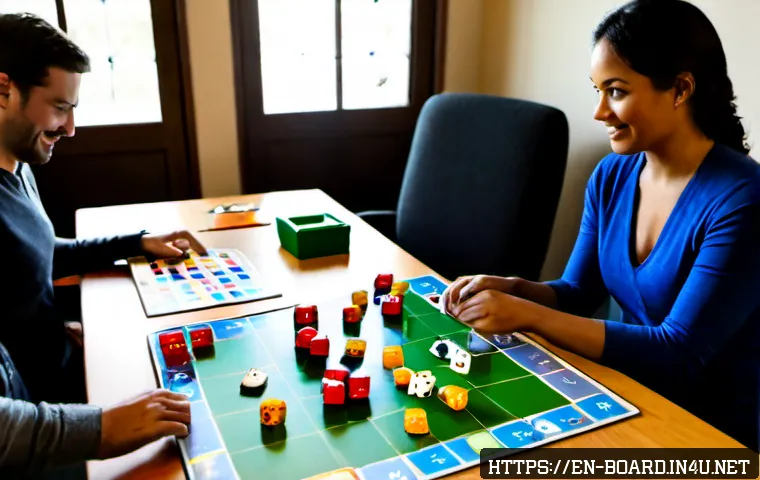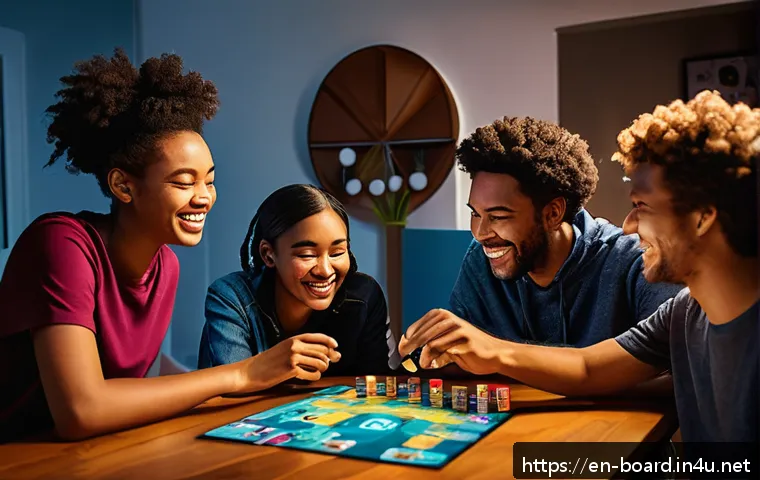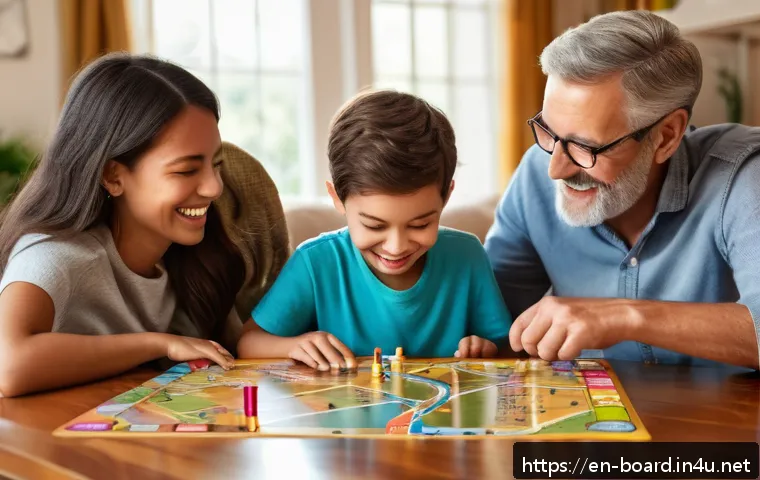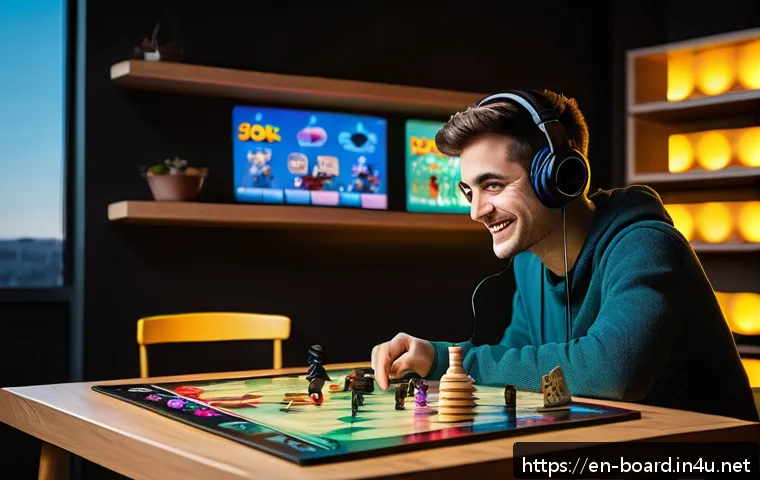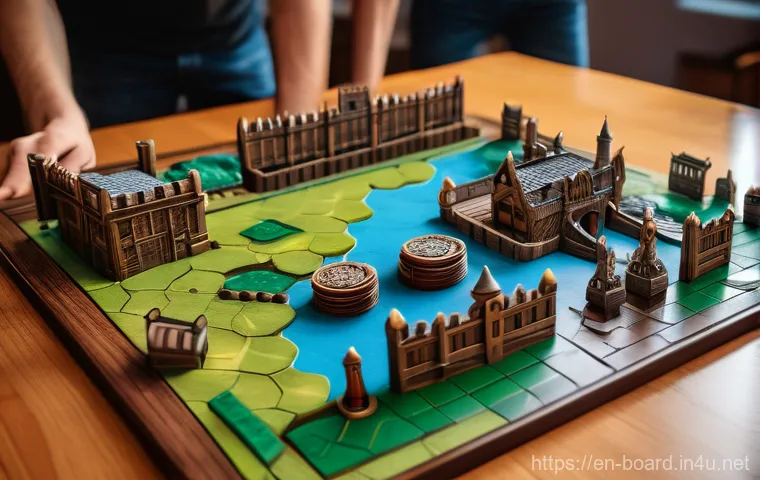
Hey there, fellow tabletop enthusiasts! Have you ever stopped to think about how much our beloved board games have changed over the years? It truly feels like we’re living through a golden age, doesn’t it?
I mean, gone are the days when “board game” just meant Monopoly or Scrabble; though those classics certainly hold a special place in my heart, the landscape today is just bursting with incredible innovation.
I’ve personally watched this hobby transform from a niche pastime into a vibrant, mainstream cultural phenomenon, attracting folks of all ages – yes, even us “kidults” who are more than happy to trade screen time for some good old-fashioned (or, rather, brand-new-fashioned!) face-to-face interaction.
We’re seeing everything from deeply immersive narrative-driven games and intricate strategy masterpieces to delightful cooperative adventures and even hybrid experiences that cleverly blend physical components with cutting-edge app integration, making every game night unique.
It’s all about connection, storytelling, and those tangible moments we crave. Ready to dive into the incredible journey of how board game trends have evolved and what exciting paths lie ahead?
Let’s uncover all the details!
From Simple Pleasures to Strategic Depth
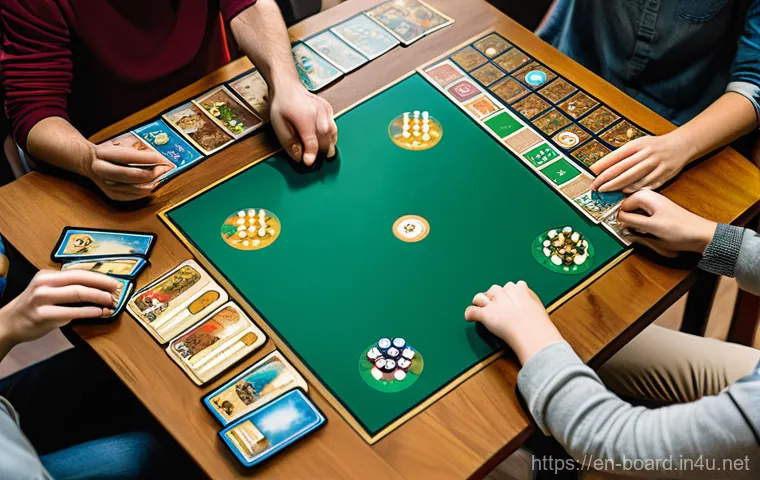
Oh, how I remember those family game nights where the only choices were pretty much a cutthroat round of Monopoly or a grueling Scrabble match! Don’t get me wrong, those classics are etched into my heart, and they introduced so many of us to the joy of gathering around a table. But honestly, for the longest time, “board game” often just conjured images of luck-based rolls and simple objectives. Fast forward to today, and it feels like we’ve collectively opened a portal to an entirely new dimension of tabletop experiences. When I first stumbled upon games like The Settlers of Catan back in the early 2000s, it was like a lightbulb went off. Suddenly, strategy, resource management, and player interaction that wasn’t just about bankrupting your aunt became the order of the day. It was a revelation, showing me that board games could truly challenge my mind and offer meaningful decisions rather than just dictate my fate with a die roll. The shift wasn’t just about complexity, but about agency and the feeling that your choices genuinely mattered, leading to a much more satisfying and engaging experience. This pivot towards deeper strategic elements really broadened the appeal of the hobby beyond its traditional base, drawing in folks who craved intellectual stimulation alongside their social interactions.
The Monopoly-Era and Its Legacy
For decades, the board game landscape was largely dominated by games where simple mechanics, often involving rolling dice and moving pieces, were king. Think about it: Candyland, Sorry!, even the aforementioned Monopoly – they were perfect for introducing basic concepts of turn-taking and goal achievement, especially to younger players. While some might dismiss them now, these games were foundational, teaching generations the sheer delight of shared play. They instilled a love for the tangible act of playing a game, of moving tokens and collecting cards, which laid the groundwork for everything that came after. Even though I now prefer a game with a bit more meat on its bones, I can still appreciate the nostalgia and the gateway role these games played in getting so many of us hooked on the hobby. They taught us the basic etiquette of gaming and the pure fun of friendly competition, even if the strategic depth was minimal.
Eurogames: A New World of Thought
Then came the Eurogame revolution, and for me, it felt like discovering a secret garden I never knew existed. These games, often originating from Germany, introduced concepts like indirect player interaction, victory point systems, and resource conversion, shifting the focus from direct conflict to efficient strategy. I remember my first game of Carcassonne, laying down tiles and claiming fields, and being absolutely mesmerized by how elegant and satisfying the gameplay loop was. There was no player elimination, everyone was involved until the very end, and the scoring felt fair and rewarding based on your decisions, not just lucky draws. This shift fundamentally changed how many of us perceived board games – from mere entertainment to sophisticated puzzles that required genuine thought and planning. It was this wave of innovation that truly cemented my passion, showing me the incredible intellectual depth and variety the hobby could offer.
The Rise of Cooperative and Narrative Play
One of the most delightful evolutions I’ve witnessed in board gaming is the explosion of cooperative and narrative-driven experiences. It used to be that every game was a battle of wits, a zero-sum contest where only one could emerge victorious. While I still adore a good competitive showdown, there’s something incredibly special, almost magical, about working together towards a common goal. I vividly recall the first time my game group tackled Pandemic. The sheer tension, the collective sigh of relief when we eradicated a disease, the frantic strategizing – it forged a bond that a competitive game simply couldn’t. It wasn’t about beating each other, but about beating the game itself, and that shared experience created an amazing sense of camaraderie. This shift opened up the hobby to so many people who might have been turned off by overly aggressive competitive play, creating a more inclusive and welcoming environment for everyone at the table.
Teamwork Makes the Dream Work
Cooperative games have truly transformed game nights for my group. Instead of silent, calculating opponents, we’re a team, high-fiving across the table when a risky plan pays off or groaning in unison when the game throws a curveball. Games like Spirit Island, where each player controls a unique spirit defending an island from invading colonizers, push cooperative play to incredible strategic heights. It’s not just about simple collaboration; it’s about understanding complex player powers, anticipating game mechanics, and synergizing your actions in ways that feel incredibly rewarding. My personal experience has been that these games often lead to the most memorable “stories” from our game nights, filled with heroic saves and nail-biting finishes, because we faced the challenges together. It’s a fantastic way to bond with friends and family, fostering a sense of shared accomplishment and collective problem-solving.
Storytelling at the Table
Beyond simply working together, modern board games have become incredible vehicles for storytelling. Forget just rolling dice and moving pieces; now, we’re embarking on epic sagas and crafting intricate narratives right there on our tabletops. Legacy games, like Gloomhaven or Pandemic Legacy, have been a game-changer for me. The idea that your actions in one session permanently affect the game world for future plays is utterly captivating. You’re not just playing a game; you’re living through an evolving story, watching characters grow, facing difficult moral choices, and witnessing the world change around you. It creates an unparalleled level of immersion and emotional investment that standard games just can’t touch. I’ve found myself thinking about the decisions we made in a legacy campaign long after the game was put away, proving just how deeply these narrative experiences can resonate with players.
Beyond the Box: Digital Integration and Hybrid Games
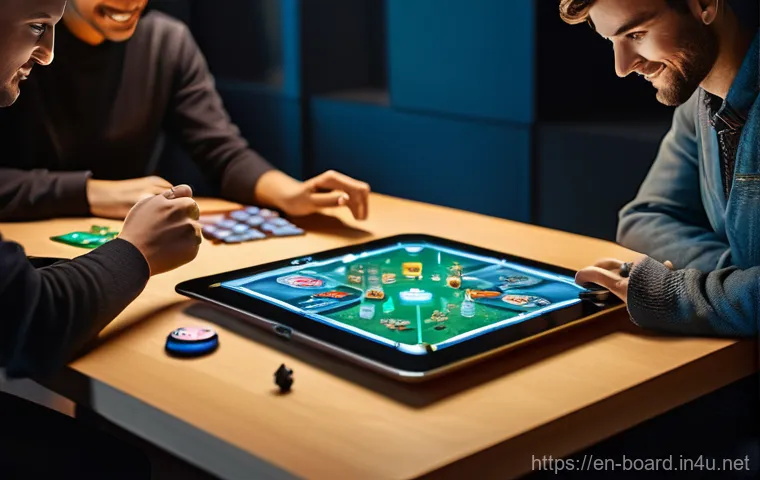
It’s fascinating to see how technology, which many might assume would pull us away from physical board games, has actually found brilliant ways to enhance and deepen the experience. We’re living in an era where board games aren’t just confined to cardboard and plastic within a box; they’re reaching out, embracing digital tools, and creating truly hybrid experiences. I remember initially being skeptical when I heard about games requiring an app. Part of the charm of board games, for me, was always the escape from screens. But when I actually played games like Mansions of Madness: Second Edition, where the app handles the tedious setup, monster movements, and even reveals new story elements and scares, I was completely blown away. It streamlined the game, deepened the immersion, and introduced elements that would be impossible with physical components alone, proving that digital integration, when done right, is a powerful ally for the tabletop. It’s not about replacing the tactile joy of holding cards and moving miniatures, but about augmenting it in truly clever ways.
Apps, Augmented Reality, and More
The innovation in digital integration is truly incredible. Beyond companion apps that manage game states or provide narrative voiceovers, we’re starting to see games flirt with augmented reality (AR) or even clever QR code implementations. Imagine scanning a card and having a character pop up on your phone screen, delivering a crucial piece of dialogue or showing a short animation. While still somewhat niche, these technologies hint at a future where our physical games can offer even richer, more dynamic experiences. I’ve personally experimented with a few games that use AR for puzzles, and it adds an undeniable “wow” factor that’s hard to replicate otherwise. The beauty of it is that the core, physical game is still central; the digital elements are there to sprinkle a little extra magic, to lift some of the administrative burden, or to expand the narrative possibilities in ways that feel genuinely fresh and exciting.
Enhancing, Not Replacing, the Physical
The key, I’ve found, is that these digital elements are designed to enhance the physical experience, not overshadow it. If a game feels like it could just as easily be a video game, then the developers have probably missed the mark. But when the app acts as a digital dungeon master, unveiling secrets and managing complex rules, it frees up players to focus on the story and strategy. It ensures that the tactile joy of moving pieces, drawing cards, and interacting with physical components remains paramount. For example, some games use apps to generate unique scenarios or procedural content, meaning you can replay them countless times without feeling stale, effectively extending the lifespan and value of your physical game. It’s this intelligent symbiosis that truly excites me, bridging the gap between our love for tangible objects and the undeniable power of modern technology to create richer, more dynamic worlds for us to explore.
Community Power: Kickstarter and Indie Creators
Honestly, if you’ve been in the board game hobby for any length of time, you simply cannot ignore the seismic shift brought about by crowdfunding platforms, especially Kickstarter. Before, discovering new games meant scouring specialty shops or hoping a major publisher picked up an innovative design. Now, it feels like the floodgates have opened, allowing an incredible torrent of creativity to flow directly from designers to players. I’ve personally backed dozens of projects on Kickstarter, and there’s something so thrilling about being part of the journey, watching a game come to life from concept art to a finished product. It’s not just about getting a cool new game; it’s about supporting passionate creators, discovering unique voices that might never have made it through traditional publishing channels, and feeling like you’re part of a global community helping to shape the future of the hobby. This direct connection has democratized game creation in a way I never thought possible, giving rise to some of the most innovative and beloved games on my shelf today.
Funding Dreams and Discovering Gems
Kickstarter has become an absolute treasure trove for discovering games that push boundaries, explore unusual themes, or simply come from designers with a unique vision. I’ve found some of my absolute favorite, most cherished games through crowdfunding, games that likely wouldn’t exist without the support of the community. From ambitious miniatures games with incredible production values to elegant, small-box card games with brilliant mechanics, the variety is astounding. It’s a platform where passionate creators can pitch their dream projects directly to an audience that’s eager to see them succeed. And for us, the backers, it’s not just a pre-order; it’s an investment in creativity, a vote of confidence that says, “Yes, we want this game to exist!” The excitement of tracking campaign updates, seeing production samples, and finally unboxing a game you helped bring to life is a feeling that never gets old.
The Democratization of Game Publishing
What I love most about the crowdfunding phenomenon is how it’s leveled the playing field. Gone are the days when a handful of large publishers held all the keys to the kingdom. Now, a brilliant designer with a compelling prototype and a well-run campaign can bypass traditional gatekeepers and connect directly with their audience. This has led to an incredible explosion of diverse voices and innovative ideas, as creators are no longer constrained by what a large company thinks will be commercially viable. It’s allowed for more niche themes, experimental mechanics, and art styles that might be considered “too risky” by traditional standards. From my perspective, this democratization has made the entire hobby richer and more vibrant, bringing fresh perspectives and a constant stream of new, exciting games that reflect the incredible diversity of the global gaming community.
Accessibility and Inclusivity in Modern Gaming
As much as I adore the intricate, brain-burning strategy games, what truly warms my heart is seeing the growing emphasis on accessibility and inclusivity within the board game world. For a long time, the hobby, like many others, could feel a bit insular, dominated by certain demographics and themes. But walk into a game store or attend a convention today, and you’ll see a truly vibrant mosaic of people from all walks of life enjoying games together. Designers are actively working to create games that are easier to learn, have clearer rulebooks, and offer different modes of play to suit various preferences. More importantly, there’s a conscious effort to tell a broader range of stories, feature diverse characters, and address themes that resonate with a wider audience. It’s not just about making games for a specific type of gamer anymore; it’s about crafting experiences that everyone, regardless of age, background, or ability, can enjoy and feel represented by. This open-armed approach has been genuinely transformative, making the hobby a much more welcoming space for newcomers and seasoned players alike.
Games for Everyone: Breaking Down Barriers
The push for accessibility isn’t just about simplification; it’s about thoughtful design that considers different needs. We’re seeing more games incorporating large-print components, color-blind friendly palettes, and even apps that can read out text or guide players through complex rules. It’s about ensuring that physical or cognitive barriers don’t prevent someone from enjoying the social and intellectual stimulation that board games offer. I’ve personally witnessed the joy of someone with visual impairments being able to fully participate in a game thanks to well-designed components, and it’s truly heartwarming. Beyond that, many modern games include variable difficulty settings or modular expansions that allow groups to tailor the experience to their specific preferences, ensuring that both casual players and hardcore strategists can find their sweet spot without feeling overwhelmed or underwhelmed. This thoughtful approach ensures the hobby continues to grow and embrace new players.
Representation Matters
Perhaps one of the most powerful shifts has been the conscious effort towards better representation in themes, art, and character design. Gone are the days when every game felt like it featured the same Eurocentric, male-dominated cast. Now, you see games celebrating diverse cultures, featuring strong female protagonists, and including characters from various backgrounds and identities. This isn’t just about “political correctness”; it’s about reflecting the real world and making the hobby feel more authentic and relatable to everyone who sits down at the table. When players see themselves reflected in the games they play, it creates a deeper connection and a sense of belonging. As someone who loves to see stories from all over the world, I find this trend incredibly enriching, opening up new narratives and perspectives that make the entire gaming landscape more vibrant and thought-provoking than ever before. It’s about ensuring that everyone feels like they have a place in this wonderful community.
The Art of the Table: Production Value and Immersion
Remember when board game components often felt like an afterthought? Thin cardboard, generic pawns, and art that was… well, let’s just say functional. Oh, how times have changed! Today, unboxing a new board game can be an experience akin to unwrapping a piece of art. The sheer leap in production quality is staggering, and it plays a massive role in enhancing the immersive qualities of a game. We’re talking about custom-sculpted miniatures that tell a story before you even make your first move, stunning artwork that draws you into the game’s world, and premium components that feel substantial and satisfying to handle. I get such a thrill from placing a beautifully designed tile or moving a meticulously crafted miniature across the board. It elevates the entire experience from just playing a game to truly inhabiting its world, making those narrative moments and strategic decisions feel even more impactful. It’s a testament to how seriously designers and publishers are taking the overall aesthetic and tactile experience of their creations.
Miniatures, Components, and Table Presence
The “table presence” of a game has become a huge selling point, and for good reason. Who doesn’t love a game that looks absolutely incredible spread out across your table? The trend towards highly detailed miniatures, often pre-shaded or even fully painted, adds an immediate visual appeal and thematic weight. Beyond just miniatures, custom wooden tokens, metal coins, and intricately designed dice all contribute to a premium feel that makes the game more engaging. I’ve seen games where the insert itself is a work of art, designed not just for storage but to facilitate quick setup and teardown. This attention to detail isn’t just about aesthetics; it significantly enhances immersion. When you’re moving a beautifully sculpted hero across a gorgeously illustrated map, your imagination is instantly sparked, and you’re more easily transported into the game’s narrative. It transforms the act of playing into a sensory experience that’s deeply satisfying.
World-Building Through Design
It’s not just about flashy components; it’s about how every design choice, from the typography on the cards to the layout of the rulebook, contributes to the overall world-building and thematic cohesion. Good graphic design and evocative art direction are crucial in pulling you into a game’s universe, making it feel believable and consistent. I’ve played games where the art style is so distinctive and atmospheric that it almost feels like another character at the table, subtly influencing the mood and tone of the entire session. This deliberate approach to visual and tactile design ensures that the theme isn’t just pasted on but deeply integrated into every aspect of the game. It creates a sense of place and atmosphere that can elevate a simple mechanism into a memorable moment, proving that when art and gameplay merge seamlessly, the result is truly something special. It allows us to step away from our everyday lives and truly immerse ourselves in fantastical or historical realms.
Sustainability and Conscious Gaming
As much as I adore the dazzling production values and myriad components of modern board games, a really important conversation has been gaining traction: the environmental impact of our hobby. It’s something I’ve personally become more conscious of, and it’s genuinely heartening to see designers and publishers starting to address it head-on. The shift towards sustainability in board game production isn’t just a fleeting trend; it feels like a genuine, necessary evolution. We’re talking about everything from using responsibly sourced materials and reducing plastic waste to improving manufacturing processes and distribution chains. It’s not an easy task, especially with the demand for elaborate components, but the commitment to more eco-friendly practices is becoming increasingly visible, and as a consumer, I feel a stronger pull towards games that reflect these values. It’s a wonderful example of how our collective awareness as a community can drive positive change within an industry we all love.
Eco-Friendly Choices on the Table
More and more, I’m noticing publishers making conscious choices to lessen their environmental footprint. This often means opting for recycled cardboard, using soy-based inks, and significantly reducing or entirely eliminating single-use plastic components. Some games are even going a step further, designing components that are more durable and long-lasting, reducing the need for replacements. I recently acquired a game that came with fully compostable plastic bags for component storage, which felt like a small but significant step in the right direction. While it’s still an evolving process, seeing these efforts makes me feel good about my purchases, knowing that the joy a game brings isn’t coming at an exorbitant environmental cost. It shows that innovation isn’t just about gameplay mechanics, but also about the responsible creation of the physical product itself.
Ethical Production and Consumer Awareness
Beyond just the materials, there’s a growing awareness about the entire supply chain and the ethical considerations of production. This includes fair labor practices, responsible sourcing of raw materials, and minimizing shipping impacts. As consumers, we have a powerful role to play by supporting companies that prioritize these values. I often find myself doing a quick search about a publisher’s sustainability initiatives before making a purchase now, because it’s become an important factor for me. This collective consumer consciousness is pushing the industry to be more transparent and accountable, which is fantastic. It’s a journey, and there’s still a long way to go, but the fact that these conversations are happening and tangible changes are being made gives me a lot of hope for a more sustainable and ethical future for our beloved board game hobby. It reflects a broader shift towards mindful consumption that benefits everyone.
| Aspect | Past Trends (e.g., 20th Century) | Current Trends (e.g., 21st Century) |
|---|---|---|
| Game Mechanics | Mostly roll-and-move, simple set collection, trivia, direct conflict. High luck factor. | Worker placement, deck-building, engine-building, legacy, narrative choice. Strategic depth, reduced luck. |
| Player Interaction | Direct conflict, player elimination, “take that” mechanics. | Cooperative play, indirect interaction, shared objectives. |
| Component Quality | Basic cardboard, generic pawns, simple art. Functionality over aesthetics. | High-detail miniatures, custom wooden/metal tokens, premium card stock, stunning bespoke art. |
| Theme & Narrative | Limited themes (war, real estate, trivia). Narrative often an afterthought. | Diverse themes (fantasy, sci-fi, historical, cultural). Deeply integrated narrative, emergent storytelling. |
| Accessibility/Inclusivity | Niche hobby, limited representation, often complex rules with poor instruction. | Broader appeal, diverse characters/themes, focus on clearer rules, varied difficulty, app-aided learning. |
| Technology Integration | None. Purely analog experience. | Companion apps, digital scoring, AR elements, hybrid digital/physical games. |
The Ever-Evolving Game Night Experience
Thinking back to how my game nights used to look versus how they are now, it truly feels like stepping into a different world. It’s not just about the games themselves, but the entire experience surrounding them. There was a time when game night meant a predictable routine: pulling out one of a few familiar boxes, setting up in a specific way, and knowing exactly what kind of evening lay ahead. Now, it’s an adventure every single time! The sheer variety of games available means we can choose an intricate Eurogame one week, a laugh-out-loud party game the next, and then dive into a sprawling cooperative campaign the week after. This flexibility and the constant influx of innovative titles have kept my passion for the hobby burning brighter than ever. It’s about adapting, learning new systems, and constantly discovering fresh ways to connect with friends and family around the table, proving that the board game hobby is anything but static.
Tailoring Your Tabletop Adventure
One of the greatest joys of modern board gaming, for me, is the ability to truly tailor your tabletop adventure to suit the mood, the company, and the amount of time you have. Gone are the days of one-size-fits-all game nights. If we’ve had a long week, a lighter, more social game that encourages conversation and doesn’t require intense strategic thinking is perfect. If we’re feeling particularly competitive and have several hours to spare, we can dive into a heavy economic Eurogame. And for those moments when we want a shared journey, a cooperative narrative game fits the bill beautifully. This adaptability, driven by the vast array of genres and mechanics now available, means that game night is no longer a rigid event but a flexible, customizable experience that always hits the right note. It’s empowered us to create truly unique and memorable evenings that cater to everyone at the table.
Beyond Just Playing: The Social Ritual
What I’ve come to realize is that board games offer so much more than just entertainment; they facilitate a crucial social ritual in our increasingly digital world. They provide a reason to gather, to put away our phones, and to engage in genuine face-to-face interaction. The laughter, the friendly banter, the shared frustrations, and the triumphant cheers are all part of an unspoken language that strengthens bonds and creates lasting memories. I’ve seen friendships deepen over intense strategic battles and family members connect over a shared cooperative challenge in ways that simple conversation might not achieve. The tactile nature of the components, the physical presence of others around the table – these elements combine to create an immersive, human-centered experience that feels profoundly important. It’s a space where stories are born, relationships are nurtured, and for a few precious hours, the outside world fades away, replaced by the magic of shared play.
Wrapping Things Up
And there you have it, folks! What a journey it’s been, tracking the incredible evolution of board games from simple pastimes to complex, immersive worlds. For me, personally, watching this hobby grow and transform has been nothing short of magical. It’s a testament to human creativity and our timeless desire for connection, strategy, and storytelling. Every time I sit down at the table, whether with old friends or new acquaintances, I’m reminded of the unique power these cardboard treasures hold – to spark joy, challenge our minds, and build bonds that last far beyond the final score. It’s truly an exciting time to be a part of the board gaming community, and I can’t wait to see what innovations the future holds for us!
Handy Tips and Further Reads
1.
Dive into BoardGameGeek.com: If you’re looking to explore new games, understand rules, or read reviews, BoardGameGeek (BGG) is your ultimate resource. It’s an invaluable, community-driven database that I personally rely on for almost every game I consider. You’ll find forums, ratings, and even rule clarifications for thousands of titles, making it an essential bookmark for any serious board gamer.
2.
Start with Gateway Games: If you’re introducing friends or family to the hobby, don’t jump straight into the heavy stuff! Games like Ticket to Ride, Catan, Carcassonne, or Sushi Go! are fantastic entry points. They’re easy to learn, engaging, and provide that ‘aha!’ moment that often hooks new players, just like Catan did for me all those years ago.
3.
Explore Your Local Game Store: Seriously, these places are goldmines! Beyond just buying games, many local game stores host open game nights where you can try out new titles and meet fellow enthusiasts. It’s how I’ve discovered some of my favorite games and made some truly wonderful friends. Plus, supporting local businesses always feels good, right?
4.
Consider Game Rental or Libraries: Before investing in an expensive game, see if you can rent it or find it at a local board game café. Some public libraries even have board game collections now! This lets you ‘try before you buy,’ ensuring it’s a good fit for your group and saving you from potential buyer’s remorse – a tip I learned the hard way a few times!
5.
Watch “How to Play” Videos: Rulebooks can sometimes be intimidating, even for seasoned players like myself. YouTube channels like “Watch It Played” or “Shut Up & Sit Down” offer fantastic video tutorials that make learning new games a breeze. I often watch these before teaching a new game to my group, and it makes setup and understanding so much smoother!
Key Takeaways
Looking back at how far board games have come, what really stands out to me is the incredible blend of tradition and innovation. We’ve moved from simple roll-and-move mechanics to complex strategic puzzles and rich narrative experiences that truly immerse us. This isn’t just about fancier components; it’s about a fundamental shift towards deeper engagement, cooperative storytelling, and leveraging technology to enhance, not replace, the tactile joy of physical play. The rise of crowdfunding has democratized game creation, bringing fresh voices and diverse themes to our tables, while a growing consciousness around sustainability and inclusivity is making the hobby more welcoming and responsible than ever before. For me, the heart of it all remains the same: the shared laughter, the friendly competition, and the unique way board games bring people together, fostering connections and creating unforgettable memories around the table.
Frequently Asked Questions (FAQ) 📖
Q: What’s making board games so incredibly popular these days, sparking what you call this ‘golden age’?
A: Oh, it truly feels like a golden age, doesn’t it? From where I’m standing, and having watched this hobby evolve for years, I think a huge part of it is our collective craving for real-world connection.
In a world increasingly dominated by screens, board games offer this beautiful, tangible escape where we can genuinely interact with friends and family.
It’s not just about winning or losing anymore; it’s about sharing laughs, building stories together, and those delightful “aha!” moments when a strategy clicks.
I’ve personally noticed a massive surge in people looking for activities that bring them together, away from their phones, and board games fit that bill perfectly.
Plus, the sheer creativity from designers has just exploded! They’re not just re-skinning old ideas; they’re inventing completely new ways to play, which keeps everything fresh and exciting for seasoned gamers and newcomers alike.
For me, there’s nothing quite like the feeling of physical components in my hand and the buzz of conversation around a table. It’s truly a magical experience that digital just can’t quite replicate.
Q: You mentioned ‘incredible innovation’ and new types of games – what exactly makes modern board games so different and exciting compared to the classics?
A: That’s a fantastic question, and honestly, this is where the hobby shines brightest for me! The difference is like night and day compared to what most of us grew up with.
While classics like Monopoly are all about rolling dice and moving pieces, today’s games are bursting with diverse mechanics. We’re talking about deeply immersive narrative games where your choices genuinely shape an unfolding story, cooperative games where everyone works together against the game itself (which is brilliant for group dynamics, trust me!), and even “legacy” games that permanently change based on your play, creating a truly unique campaign.
I’ve been absolutely blown away by games that integrate apps to enhance the experience, bringing in soundscapes or even managing complex rules, making the physical game feel even more alive.
It’s not just about luck anymore; there’s so much more emphasis on strategic thinking, clever hand management, bluffing, and even social deduction. These aren’t just pastimes; they’re experiences designed to challenge your mind, spark your imagination, and create unforgettable moments.
My first time playing a truly narrative-driven game, I remember thinking, “Wow, this is like playing a movie!”
Q: For someone like me who’s curious but maybe only knows the older games, how do I even begin to dive into this new world of board gaming and find something I’ll truly love?
A: Oh, welcome to the club! Trust me, it can feel a little overwhelming with so many amazing games out there, but finding your perfect game is part of the adventure.
My go-to advice for anyone new is to start by thinking about what you enjoy in other forms of entertainment. Do you love a good story? Are you a strategic thinker?
Do you just want to laugh with friends? Once you have a vague idea, the best place to start is often your local board game store. The staff there are usually incredibly knowledgeable and passionate; tell them what you like, and they can offer fantastic recommendations.
Another great option, which I’ve found super helpful, are board game cafes or meetups. You can often try out a variety of games before buying, which is a total game-changer!
And don’t be afraid to check out some “how to play” videos on YouTube – they’re a lifesaver for learning rules without slogging through a manual. I often suggest starting with a well-regarded cooperative game; they’re fantastic for easing into modern mechanics because everyone’s on the same team, making it less intimidating.
Just jump in, explore a little, and you’ll quickly discover a whole world of fun that’s waiting for you!