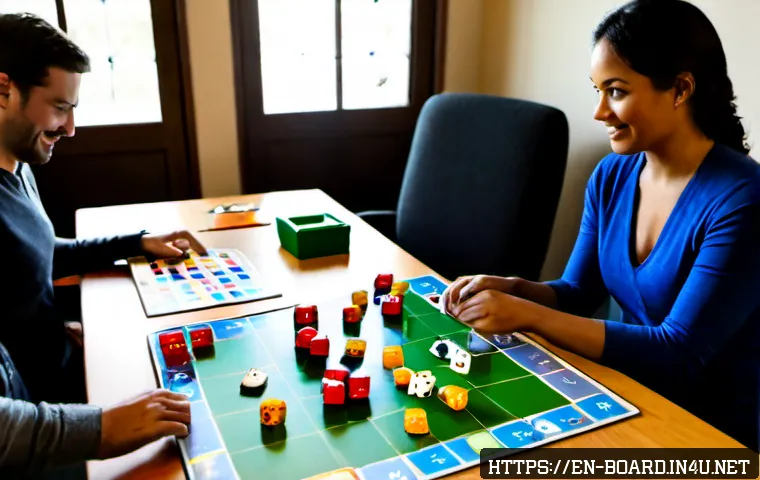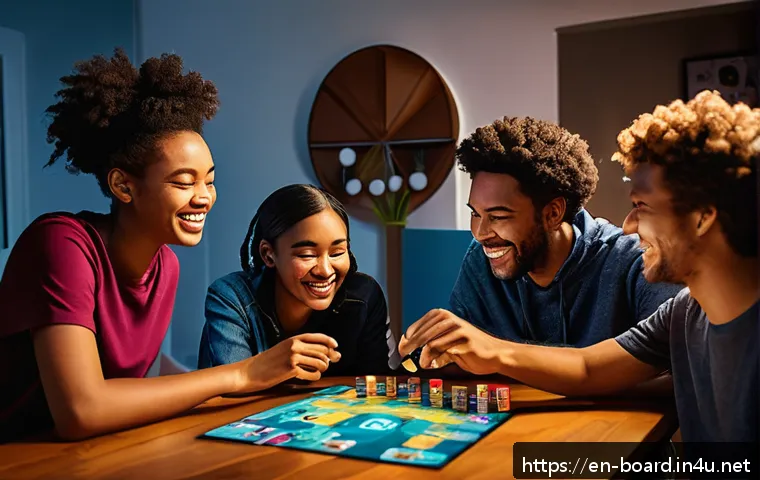
Board games have evolved far beyond simple tabletop pastimes, capturing the hearts of millions worldwide with immersive storytelling and strategic depth.
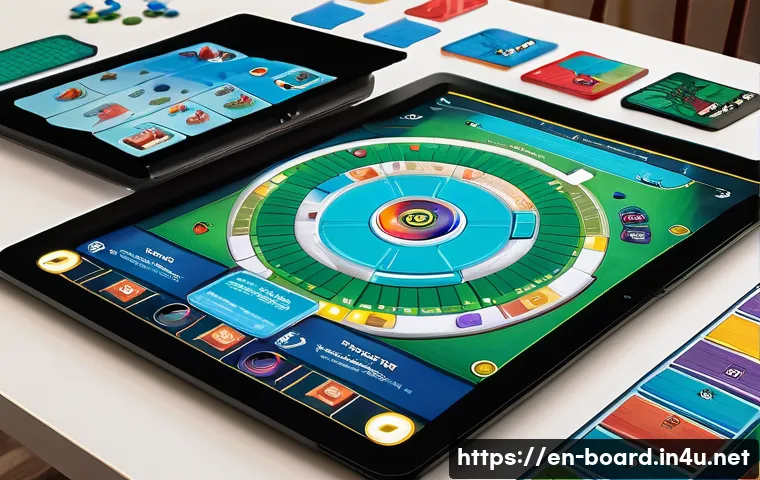
As technology advances, the fusion of digital elements and traditional gameplay is reshaping how we experience these social games. The rise of crowdfunding platforms and indie designers is fueling a golden age of creativity, introducing innovative mechanics and diverse themes.
Moreover, the growing emphasis on community and shared experiences makes board games a powerful tool for connection in an increasingly digital world. Curious about where this exciting trend is headed next?
Let’s dive deeper and explore the future of board gaming together!
Immersive Storytelling and Narrative Depth
The Rise of Story-Driven Mechanics
Storytelling in board games has shifted dramatically from simple background flavor to core gameplay elements. Nowadays, many games integrate branching narratives, character development, and evolving story arcs that respond to player choices.
This approach not only increases replayability but also deepens emotional investment. From legacy games where the story permanently changes the board to cooperative adventures that feel like interactive novels, the narrative is no longer just an add-on but a fundamental reason people gather around the table.
I’ve noticed that when players connect with a story, they’re more likely to come back and share the experience, which is gold for community building.
Personalization and Player Agency
Modern board games are increasingly designed to give players meaningful choices that affect the story’s outcome. This level of agency makes each session unique and personal.
For example, role-playing elements allow players to shape their characters’ motivations and alliances, while modular game boards can change the environment dynamically.
In my own gaming group, these features sparked lively debates and strategic planning, making every game night feel fresh and exciting. The ability to influence the narrative also helps players feel more immersed, turning what used to be passive storytelling into an active, collaborative journey.
Technology Enhancing Narrative Delivery
Digital integration has opened new doors for storytelling in board games. Apps and augmented reality can provide atmospheric soundscapes, voice acting, or hidden story clues, enriching the gameplay without adding complexity to the physical components.
I’ve tried games where the app narrates the story, adjusts difficulty based on player progress, and even remembers past decisions, creating a truly personalized adventure.
This blend of analog and digital storytelling is proving popular, especially among younger audiences who appreciate multimedia experiences.
Innovations in Game Mechanics and Design
Hybrid Gameplay Models
One of the most exciting trends is the fusion of traditional board mechanics with digital elements. Hybrid games combine tactile pieces and cards with apps that handle bookkeeping, randomization, or narrative progression.
This reduces downtime and streamlines complex rules, making games more accessible without sacrificing strategic depth. From my experience, these hybrids appeal to both casual players and hardcore strategists because they strike a balance between physical interaction and digital convenience.
Modular and Adaptive Components
Modularity in game design allows for endless customization and scalability. Games with modular boards, variable player powers, or adjustable rulesets adapt to different group sizes and skill levels.
I’ve found that these features extend a game’s lifespan, as players can tweak the experience to keep it challenging or beginner-friendly. This adaptability is a major draw for hobbyists who want a game that evolves with their growing expertise and changing preferences.
Emergence of Solo and Cooperative Modes
The demand for solo and cooperative gameplay has skyrocketed, especially as social dynamics shift. Many modern board games now include well-designed solo modes or cooperative scenarios that emphasize teamwork and problem-solving.
I personally appreciate games that encourage collaboration, as they foster communication and shared victories, which can be rare in competitive play. These modes also make it easier to enjoy the hobby during times when gathering large groups isn’t feasible.
Diversity and Inclusivity in Themes and Representation
Broadening Cultural Narratives
Board games are embracing a wider array of cultural backgrounds and stories, moving beyond Euro-centric themes to explore global myths, histories, and perspectives.
This diversity enriches the hobby by introducing players to new ideas and experiences. I’ve noticed that games featuring underrepresented cultures often spark curiosity and respectful conversations, which enhances the social value of playing together.
Inclusive Design for Accessibility
Designers are paying more attention to accessibility, creating games that accommodate different abilities and preferences. This includes components with tactile features, colorblind-friendly palettes, and rules that can be adjusted for cognitive or physical challenges.
From my observations, games that prioritize inclusivity tend to attract a broader audience and foster a welcoming atmosphere, which is essential for growing the community sustainably.
Gender and Identity Representation
The industry is making strides in representing diverse genders and identities, both in artwork and character options. This inclusiveness allows more players to see themselves reflected in the games they love.
I’ve seen how this representation positively impacts players’ connection to the game and encourages empathy among all participants, making the hobby more engaging and meaningful.
Community Engagement and Social Connectivity
Online Platforms Supporting Offline Play
While board games are inherently social, online platforms now enhance community interaction beyond the physical table. Websites, forums, and apps enable players to find groups, share custom content, and organize events.
I’ve personally found these tools invaluable for discovering new games and connecting with like-minded enthusiasts, especially when local groups are limited.
Events and Collaborative Experiences
Conventions, tournaments, and community game nights remain central to the hobby’s social fabric. They provide spaces where people can meet, learn, and celebrate their passion together.
Attending these events has always been a highlight for me, as the energy and shared excitement fuel my enthusiasm and introduce me to fresh perspectives and strategies.
Impact of Streaming and Content Creation
Streaming platforms and board game content creators have transformed how players engage with games. Watching live plays and reviews helps newcomers learn faster and veterans discover new tactics.
I’ve noticed that popular streamers often build communities that extend far beyond the screen, organizing meetups and collaborative projects that deepen social bonds.

Emerging Technologies Shaping Gameplay
Augmented and Virtual Reality Integration
AR and VR technologies are starting to influence board games by creating immersive environments that complement physical components. Imagine exploring a fantasy world not just through cards and miniatures but via a headset that brings the setting to life.
I’ve tried early AR-enhanced games, and although the technology is still maturing, the potential for heightened immersion is undeniable.
Artificial Intelligence as a Game Master
AI is increasingly used to manage game flow, provide adaptive challenges, and even generate dynamic content. This allows for more unpredictable and personalized experiences.
In my experience, AI-driven opponents or narrators can simulate human-like responses, making solo or cooperative play more engaging and less predictable.
Blockchain and Digital Ownership
Some designers are exploring blockchain technology to offer unique digital assets, such as limited-edition cards or customizable pieces. This concept opens new possibilities for collecting and trading, though it’s still niche.
I’m curious to see how this will affect player communities and game economies moving forward.
Market Trends and Crowdfunding Influence
Indie Designers Leading Innovation
Crowdfunding platforms have empowered indie creators to bring bold and experimental ideas to life without traditional publishing constraints. This democratization has resulted in a vibrant market filled with fresh concepts and niche themes.
From my perspective, supporting indie projects feels rewarding because it contributes to the hobby’s diversity and vitality.
Backer Engagement and Community Building
Crowdfunding campaigns often include stretch goals, exclusive content, and active communication that build strong backer communities before the game even launches.
I’ve backed several projects where this engagement enhanced my excitement and connection to the game, turning the process into a shared adventure with the designers and fellow fans.
Challenges and Opportunities for Publishers
While crowdfunding opens doors, it also creates challenges like fulfillment delays and quality control. Publishers must balance innovation with reliability to maintain trust.
Observing the market, I see successful projects often combine transparency, community interaction, and solid production values to thrive in this competitive environment.
| Aspect | Current Trends | Player Impact |
|---|---|---|
| Storytelling | Branching narratives, legacy mechanics, app integration | Increased immersion, replayability, emotional engagement |
| Game Mechanics | Hybrid digital-analog, modular design, solo/co-op modes | Accessibility, adaptability, enhanced strategic depth |
| Diversity | Global themes, accessibility features, inclusive representation | Broader audience, inclusive community, richer experiences |
| Community | Online platforms, conventions, streaming content | Expanded social networks, learning resources, stronger bonds |
| Technology | AR/VR, AI game masters, blockchain assets | Immersive play, personalized challenges, new ownership models |
| Market | Crowdfunding, indie innovation, backer engagement | More diverse games, direct creator-player connection, risks and rewards |
Environmental Sustainability in Board Gaming
Eco-Friendly Materials and Production
Sustainability is becoming a priority for many designers and publishers, with a growing focus on using recycled materials and reducing plastic waste. I’ve noticed an increase in games boasting eco-conscious packaging and components, which resonates well with environmentally aware players.
This shift not only helps reduce the hobby’s carbon footprint but also encourages consumers to think more critically about their purchases.
Longevity and Replayability as Sustainable Values
Creating games that remain engaging over multiple plays reduces the need for constant new purchases. From my experience, titles with modular expansions or legacy elements tend to hold players’ attention longer, effectively promoting sustainability through quality over quantity.
Community Initiatives and Awareness
Some gaming communities organize recycling drives or swap meets to circulate used games and components, minimizing waste. I’ve participated in local events where gamers exchanged titles instead of buying new ones, which was both eco-friendly and a great way to discover new favorites without spending much.
글을 마치며
Board gaming continues to evolve with deeper storytelling, innovative mechanics, and a stronger focus on inclusivity and sustainability. These trends not only enrich the playing experience but also foster vibrant communities and meaningful connections among players. Whether you’re a casual gamer or a seasoned enthusiast, embracing these developments can transform your game nights into unforgettable adventures. The future of board games looks brighter and more engaging than ever.
알아두면 쓸모 있는 정보
1. Story-driven board games enhance replayability by offering branching narratives and player-driven outcomes, making each playthrough unique.
2. Hybrid game designs blend physical components with digital apps, streamlining gameplay and appealing to a wide range of players.
3. Inclusivity in game design—such as accessible components and diverse representation—helps build a welcoming and expansive player community.
4. Online platforms and streaming content provide valuable resources for learning new games and connecting with fellow enthusiasts worldwide.
5. Sustainability efforts in board gaming, including eco-friendly materials and community recycling initiatives, contribute to reducing environmental impact.
핵심 포인트 요약
Modern board games are moving beyond traditional formats by integrating immersive narratives and player agency that boost engagement and emotional connection. Technological advances like apps, AR, and AI enhance gameplay without compromising the tactile experience. Inclusivity and accessibility have become central to design, broadening the hobby’s reach and fostering diverse communities. Crowdfunding empowers innovative indie creators, while sustainability initiatives reflect a growing awareness of environmental responsibility within the industry. Together, these elements shape a dynamic and evolving landscape for board gaming enthusiasts everywhere.
Frequently Asked Questions (FAQ) 📖
Q: How are digital elements changing traditional board gaming experiences?
A: Digital integration is transforming board games by adding interactive layers that enhance immersion and streamline gameplay. For example, apps can handle complex rule management, offer dynamic storylines, or provide augmented reality features that bring the game world to life.
From my own experience, using companion apps has made games more accessible and engaging, especially for newcomers who might feel overwhelmed by bulky rulebooks.
This blend keeps the tactile joy of physical pieces while tapping into tech to deepen strategy and storytelling, making sessions smoother and more memorable.
Q: What role does crowdfunding play in the current board game industry?
A: Crowdfunding platforms like Kickstarter have been game-changers, literally, for board games. They empower indie designers to bring fresh ideas directly to the community without traditional publishing barriers.
I’ve backed several projects where creators introduced unique mechanics or explored niche themes that wouldn’t have gained traction otherwise. This democratization fuels innovation and diversity, allowing gamers to support and shape the types of games they want to see.
Plus, early backers often enjoy exclusive content or early access, making the experience more rewarding.
Q: Why is community important in modern board gaming, especially in a digital age?
A: Board games thrive on social connection, and in today’s digital world, they offer a refreshing way to gather offline or bridge distances online. Communities—whether local game stores, online forums, or social media groups—help players find opponents, share strategies, and celebrate their favorite games.
Personally, joining a local board game group has enriched my gaming experience far beyond just playing; it’s about friendships and shared memories. As remote play options expand, these communities ensure that the social heart of board gaming remains strong, fostering inclusion and meaningful interaction.