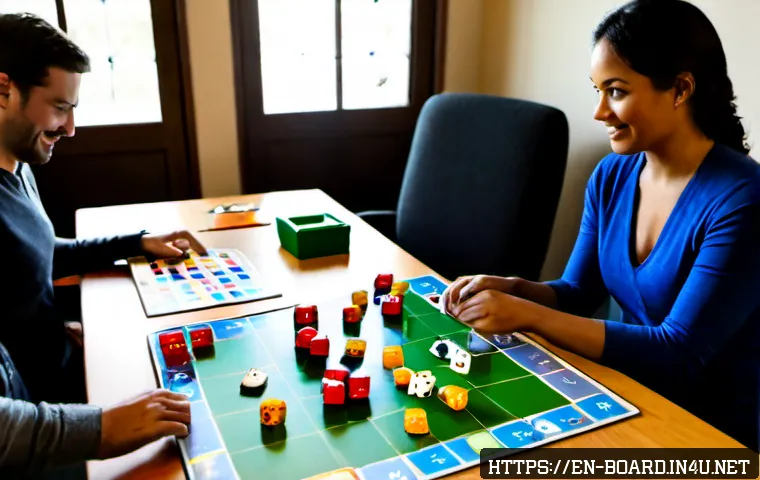
If you’ve ever dreamed of turning tabletop passion into professional expertise, this guide is for you. Becoming a board game expert means mastering rules and mechanics while learning to read a table, teach strategy, and build memorable play experiences.

I’ll share practical drills, facilitation techniques, and event-ready tips I’ve tested in workshops and local game nights. Whether your goal is running paid workshops, writing trusted reviews, or leading playtest sessions, you’ll get a clear roadmap and common pitfalls to avoid.
Let’s explore the details below.
Reading the Room: How to Sense and Shape Table Energy
Watch for social signals before a single die is rolled
When players sit down, I scan for three immediate cues: seating choices, eye contact patterns, and whether someone brings their own components. Those small things tell you who wants to run the table, who’s there to socialize, and who’s trying to learn quietly. I’ll often make a light, human comment—“who’s bringing the chaos tonight?”—to loosen people up, then watch how they respond. That response tells me whether to keep things tight and rules-focused or to hand over the table leadership and coach in the background.
In practice, this means adjusting your facilitation tempo. For a competitive group, speed and clear milestone calls keep attention. For a social group, emphasize narrative beats and shared jokes. For mixed groups, start with a short scaffolded demo where you demonstrate one full round and highlight a couple of teachable moments—this reduces cognitive load while giving confident players space to shine. Over time you’ll learn to pick up micro-shifts: a shift in posture, a soft laugh, or someone repeatedly checking the rulebook—each of those is a signal to adapt your role at the table.
Intervene gracefully when table dynamics stray
Interruptions and dominant players are inevitable. I use a few techniques that feel natural rather than authoritarian. First, redirect with a question: “What would you like to try differently next turn?” Second, normalize pauses: “Let’s take two seconds—does anyone disagree?” Third, use structure: designate turns, timers, or a short “parking lot” list for off-topic conversation. These tools keep the experience positive and make you look calm and professional instead of officious.
When tensions arise, my tone is quieter and more empathic: acknowledge feelings, restate the core goals of the session, and propose a low-effort reset. Often that’s enough. If not, pull the person aside briefly—outside earshot—and ask what outcome they want. That one-on-one preserves the event atmosphere and helps you build trust for future sessions.
Teaching Rules with Clarity and Speed
Lead with the story, not the clause
Players remember the why before they remember the how. Start with the game’s core loop in one sentence—what players spend their turns doing and why that matters—then layer on the major phases. I’ve taught dozens of games this way and it consistently reduces the number of “wait, what?” questions that pop up mid-game. For example, rather than reciting a long list of action types, I’ll say: “You’re trying to grow influence by collecting sets; on your turn you pick an action, spend resources, and score if you complete a set.” That framing primes mental models so detailed rules slot in more easily.
Use physical cues—move a pawn, slide a card—to show a single prototypical turn. A live demonstration of one full round is far more instructive than listing exceptions. After the demo, invite players to each take a practice turn with you coaching. Practice turns reveal misunderstandings early and build confidence for the real game.
Teach exceptions last and give rule mnemonics
Exceptions kill momentum. Teach the base rule first and mark exceptions with short, memorable phrases: “Default, then special” or “Play first, remediate later.” I write 2–3 quick mnemonics on a sticky note visible to the table for complex rules—players love this because it reduces back-and-forth and demonstrates you respect their time. Also, establish a rule-checking protocol: who looks up rules and how disputes are resolved. That prevents small misunderstandings from escalating and keeps your session professional and fast-paced.
Finally, be transparent about house rules. If you plan to tweak a mechanic for balance or time constraints, announce it clearly before play begins and explain why. Players appreciate that honesty and are more likely to accept deviations when they understand the rationale.
Practice Drills That Build Real Expertise
Short, repeatable drills that sharpen decision-making
I design drills to isolate one decision type—auction choices, hand-management tradeoffs, area control timing—and run them as five- to ten-minute exercises. For example, set up three identical endgame scenarios and have players play them out quickly to see how their choices change. We record one metric per drill—time to choose, average score, or number of rule violations—and iterate. These focused sessions accelerate pattern recognition and make you a faster, more confident teacher or reviewer.
Do these drills with different social settings: solo, paired, and full table. Teaching the same drill in each context reveals how social pressure affects decisions and helps you develop coaching prompts that work for beginners and experienced players alike. I’ll also rotate player roles so everyone experiences tight-timer decisions and long-form planning.
Simulation and role-play for facilitation practice
Practice facilitations by role-playing worst-case scenarios: a dominant player, an exhausted newcomer, a rules-obsessed person. Run through a short demo and let partners intentionally “derail” the session so you can practice calming language and strategic interventions. These rehearsals build the reflexes you’ll need during paid workshops or large playtests where stakes and emotions run higher.
After each simulation, solicit feedback with three questions: “What worked?”, “What felt off?”, and “One small change I’ll try next time.” This structured debrief keeps practice actionable and fast-moving.
Testing and Feedback: Running Better Playtest Sessions
Design feedback loops that players actually use
Good feedback collection is brief, specific, and timed correctly. I use a mix of immediate micro-feedback (a one-question quick poll at session end), targeted playtester forms with three core areas (clarity, engagement, balance), and a short recorded debrief when possible. Avoid long surveys that players skip. Instead, ask three focused prompts: “What moment felt most fun?”, “What broke immersion or flow?”, and “One rule change to try.” These answers give you high-signal data for rapid iteration.
When you run repeat tests, keep a changelog visible so returning players see how prior feedback impacted rules. That transparency builds goodwill and improves the quality of future feedback.
Facilitate without biasing results
Your job is to observe more than to persuade. When testing new mechanics, practice neutral phrasing: “How did that decision feel?” rather than “Wasn’t that exciting?” Encourage players to think aloud sometimes, but mark those sessions as “verbal protocol” because talk-aloud can change play. Capture objective metrics too: turn length, scoring variance, and frequency of a mechanic’s use. Combining quantitative traces with qualitative notes gives you a rounded, trustworthy dataset for design decisions.
For paid playtest gigs, document the test plan and expected learning goals. That professionalism separates hobby nights from credible services you can charge for.
| Drill / Session | Goal | Duration | Output |
|---|---|---|---|
| One-turn prototyping | Test core loop clarity | 10–15 minutes | Binary clarity pass / fail, 1 suggested fix |
| Role-play facilitation | Practice interventions | 20–30 minutes | List of phrases and timing adjustments |
| Focused balance run | Measure mechanic frequency | 30–45 minutes | Heatmap of usage, suggested numbers |
| Quick feedback triage | Collect directed feedback | 5 minutes post-game | Top 3 player-suggested changes |
| Competitive stress test | Observe high-pressure choices | 45–60 minutes | Timing and choke points report |
Building a Reputation: Reviews, Workshops, and Paid Sessions
Create reviews that readers trust
Readers want specificity and context. When I write a review, I include playtime, ideal player count, accessibility notes, and one concrete example of a memorable moment. Avoid vague praise—replace “great for groups” with “shines at four players because of its drafting tension between positions X and Y.” Use your persona: mention a memorable table moment (“I watched two players trade victory for a dramatic comeback”) to humanize the review. Disclose conflicts: if you received a prototype or compensation, state it plainly. Transparency builds long-term trust.
SEO tip without being spammy: craft a useful header structure and answer the common questions players search for—best player count, comparable titles, difficulty. That helps the article rank while keeping it genuinely helpful.
Design workshops that people will pay for
Charge by value, not time. A useful paid workshop has a tight learning outcome: “By the end you’ll run this demo in under five minutes and coach two players to confident turns.” Include takeaways: a one-page facilitator cheat-sheet, two mini-drills, and a recording of a clean demo turn. Offer tiered pricing—basic ticket for attendance, premium for one-on-one coaching or a follow-up session. I structure workshops with varied formats: short lecture, hands-on practice, live facilitation with feedback, and a final Q&A. That mix keeps attention high and justifies higher ticket prices.
Use testimonials and small sample videos to show what attendees will experience. Early on, give a few free seats to enthusiastic players to create word-of-mouth momentum. After a few paid sessions, raise prices modestly as your case studies accumulate.
Logistics, Accessibility, and Monetization Practicalities
Event flow, timing, and accessibility basics
Plan every session with a built timeline: setup, intro, demo, practice turns, full play, feedback, and teardown. Buffer in five- to ten-minute windows for delays. Accessibility is not optional—offer clear printouts for rules, colorblind component options, and quiet spaces for sensory-sensitive players. Announce these accommodations in your event description. When possible, collect dietary restrictions for physical events and provide quiet tables or headphones for overstimulation. These measures increase attendance and retention because players feel seen and safe.
For hybrid events, ensure tech is tested beforehand: camera angle that shows the board, lapel mic for the facilitator, and a chat monitor. Practice at least once with the exact setup you’ll use live. Having a reliable assistant to monitor chat or run a timer is worth the cost for professional-feeling sessions.
Monetization levers and smart pricing
Think beyond ticket fees. Offer downloadable facilitator kits, subscription access to weekly drills, or tiered mentorship. Consider revenue splits: a small local venue fee, a ticket markup, and an upsell to private lessons. Track metrics—conversion rate on signups, retention across sessions, and average revenue per attendee—to find where to optimize. In my experience, a modestly priced ongoing series with occasional premium masterclasses yields steadier income than one-off high-price events.
Finally, set clear cancellation and rescheduling policies and communicate them in plain English. That reduces friction and builds a professional brand that players and venues trust, which ultimately scales your opportunities and income potential.
In Closing
I’ve run hundreds of sessions where a tiny change in phrasing or one quick demo turn completely shifted the table energy.
What I’ve learned is simple: set the tone early, show one clear prototype turn, and stay curious about how players respond.
Lead with the story, scaffold exceptions, and keep your interventions calm and human—people notice tone more than rules.
If something goes sideways, normalize a short reset and ask a single clarifying question rather than launching into a lecture.
Over time you’ll build a small repertoire of drills and phrases that reliably move tables from confusion to flow.
Those patterns are what make workshops repeatable and what turn casual players into returning attendees.
Treat every session as data: observe, tweak one variable, and iterate.
Do that and your facilitation will feel both effortless and believable to the people at your table.
Useful Practical Tips
1. Arrive early and set the scene: arrange seating for visibility, lay out a one-page cheat sheet, and have one prototype turn ready to demo so players can see the loop immediately.
2. Use a visible timer for decisions: five-minute drills or 90-second choice rounds create teachable pressure, surface choke points, and keep attention from wandering.
3. Keep a “parking lot” notepad for off-topic chat and a single sticky with two rule mnemonics—these reduce interruptions and preserve flow without sounding authoritarian.
4. Collect three focused feedback items after play: most fun moment, a friction point, and one suggested change—short prompts yield higher response rates and more actionable data.
5. Prioritize accessibility: clear print rules, color-friendly components, quiet seating options, and a tested hybrid setup—small accommodations widen your audience and build trust.
Key Points Summary
Lead with clarity and empathy: open with the game’s core loop and a live demo turn so players form a working model before you add exceptions.
Watch for micro-signals—seating, eye contact, who brings components—and adapt your facilitation tempo to match social goals at the table.
Use short, repeatable drills and role-play rehearsals to sharpen interventions and build muscle memory for handling dominant players or exhausted newcomers.
Design feedback loops that are brief, targeted, and visible: a changelog and short post-game prompts create a virtuous cycle of improvement.
Finally, treat every paid or public session like a product: document outcomes, set clear accessibility and cancellation policies, and iterate with the data you collect.
Consistent small improvements will compound into a reputation that attracts paying attendees and reliable venues.
Keep your language human, your demos crisp, and your interventions light—people respond to calm leadership more than strict enforcement.
Do these things and you’ll run smoother, fairer, and more enjoyable sessions that players want to come back to.
Frequently Asked Questions (FAQ) 📖
Q: How do I start running paid board game workshops without feeling overwhelmed?
A: Begin small and focused: design a single 60–120 minute workshop around a clear promise (e.g., “Teach-to-win: Eurogames strategy for new players” or “Intro to hosting family game nights”).
Test it free or at low cost at a local game night to refine timing and materials. For paid events, set simple pricing in USD based on value and overhead—many organizers start around $20–50 per person for a 2-hour session depending on venue and included components.
Use local game stores, community centers, or coworking spaces for venues; list on Meetup/Eventbrite and promote in BoardGameGeek groups and local Facebook communities.
Prepare a lean kit: 1–2 demo copies, a facilitator sheet, printed quick-reference rules, and 10–15 minute warmup exercises. Sell the experience, not just instruction—promise outcomes (what attendees will walk away able to do).
Collect email signups and short post-event feedback to iterate. From my experience running workshops, the single best growth lever is a short highlight reel (60–90 seconds) showing lively table moments and a clear call-to-action for your next session.
Q: What steps make my reviews trusted and potentially monetizable?
A: Build trust through consistency, transparency, and honest criteria. Publish a steady stream of short, structured reviews that cover: target audience, playtime, player count fit, accessibility (learning curve), components quality, replay value, and final recommendation (who should/shouldn’t buy).
Always disclose conflicts (received review copy, paid sponsorship, affiliate links). Pair written reviews with photos or a 5–7 minute video demonstrating gameplay—readers trust visuals.
Grow reach by contributing to community sites, guest-posting on hobby blogs, and cross-posting to YouTube or short-form platforms; diversify income via affiliate links, Patreon, sponsored deep-dives, or paid membership tiers offering early content and extended analysis.
Track what resonates (traffic, watch time, comments) and double down—readers pay for reliable, repeatable judgment, so be clear about your reviewing standard and stick to it.
Q: How do I run effective playtest sessions and recruit the right players?
A: Define your playtest goal (rules clarity, balance, pacing) and design short playtest scripts: 5–10 minutes of rules briefing, 1–2 focused plays, and a 15–25 minute structured feedback session with targeted questions.
Use simple feedback tools: Likert-scale rating sheets for core mechanics, a bug/edge-case log, and 3 open prompts (“What confused you?”, “What was fun?”, “What felt unfair?”).
Recruit via local game nights, university game clubs, BoardGameGeek threads, and Meetup; offer modest incentives in USD (snack credit, $5–15 gift card, or a free promo copy later) rather than relying solely on goodwill.
For running the table, practice facilitation drills: teach the game in 60 seconds, narrate expected decisions aloud, run a silent-turn round to spot hidden info issues, and rotate a player to act as a “rule checker” to surface ambiguous wording.
Always record play order, variant used, and player experience level—those metadata points make feedback actionable.