Ever feel overwhelmed by the sheer number of amazing board games flooding the market these days? I know that feeling all too well – my own shelves are practically groaning under the weight of new acquisitions!
It’s a delightful problem, but finding that *perfect* game, the one that sparks absolute joy and brings everyone around the table, can sometimes feel like a quest in itself.
That’s precisely why I started this newsletter: to cut through the noise and bring you only the very best, hottest, and most interesting picks from the ever-expanding universe of tabletop gaming.
After countless game nights, poring over rulebooks, and diving deep into new releases, I’ve got some insights I’m bursting to share. So, if you’re ready to discover your next tabletop obsession, or just want to stay ahead of the curve with what’s hot and what’s not, stick around as we explore the fantastic world of board games together.
Let’s unearth some hidden gems and future classics in the post below!
Decoding the Hype: How to Sift Through New Releases
Oh, the endless stream of new board game releases! It’s both a blessing and, if I’m being honest, a bit of a curse sometimes. My wish list seems to grow exponentially every month, and it can feel like a full-time job just keeping up with what’s hot and what’s not. I’ve learned, often the hard way, that not every shiny new box is going to be a perfect fit for my table, no matter how glowing the initial reviews. That’s why I’ve developed a bit of a system for cutting through the noise. It’s all about finding out if a game truly resonates with *your* specific gaming group and preferences, rather than just chasing the latest trend. I’ve wasted too much money on games that looked amazing on paper but fell flat in reality because I didn’t ask myself the right questions first. Now, I try to approach each potential purchase with a critical, yet excited, eye, always looking for that genuine spark of fun. Trust me, it saves a lot of shelf space and buyer’s remorse.
Navigating the Board Game Review Landscape
When a new game drops, the internet explodes with reviews. It’s a fantastic resource, but it can also be incredibly overwhelming. My personal strategy involves not just watching one or two popular reviewers, but seeking out a diverse range of opinions. I’ve found that some reviewers align more with my taste, so I tend to give their perspectives more weight. However, it’s crucial to also look for voices that might offer a different angle, perhaps highlighting aspects I hadn’t considered. I particularly love reviewers who don’t just tell you *what* the game is about, but *how it feels to play it*. Do they capture the tension, the laughter, the “aha!” moments? Look for playthrough videos, not just rules explanations, so you can see the game in action. I remember one time, I was completely sold on a game until I saw a playthrough and realized the downtime between turns was excruciatingly long for my group’s preference. Crisis averted!
Components, Theme, and Mechanics: What Really Matters
Let’s be real, gorgeous components are incredibly enticing! I’m as guilty as anyone of being drawn in by stunning artwork and chunky, tactile pieces. But I’ve learned that eye candy alone doesn’t make a great game. While a beautiful game enhances the experience, it’s the interplay of theme and mechanics that truly hooks me. Does the theme genuinely make sense with how the game plays, or does it feel tacked on? I prefer themes that are deeply integrated, where the actions you take in the game feel like you’re actually doing something within that world. As for mechanics, this is where your personal preference really comes into play. Do you love dice rolling, card drafting, worker placement, or something else entirely? Understanding the core mechanics and if they appeal to you is far more important than how fancy the miniature looks. I once bought a game with incredible miniatures, only to find the core gameplay loop felt repetitive and uninspired after just a couple of plays.
Trusting Your Gut: When to Ignore the Noise
After all the research, review-watching, and component-ogling, there comes a point where you just have to trust your gut. Sometimes, a game might be universally lauded, but something about it just doesn’t sing to you. And that’s perfectly okay! Your gaming taste is unique, and what brings joy to one person might not be the same for another. I’ve had moments where a game was getting massive buzz, but I just knew, deep down, it wasn’t for me. Conversely, I’ve stumbled upon lesser-known titles that just looked *right* and ended up becoming absolute favorites. Don’t feel pressured to buy into every trend. The beauty of this hobby is its incredible diversity. Find what genuinely excites you and your group, and lean into that. My best game purchases have always been the ones where I felt an immediate, unexplainable pull, regardless of its position on some “top 100” list.
Beyond the Classics: Unearthing Your Next Obsession
While I absolutely adore my collection of tried-and-true classics, there’s a special thrill that comes from discovering something truly fresh and unexpected. It’s like finding a secret garden that no one else has quite explored yet. Don’t get me wrong, games like *Catan* or *Ticket to Ride* have earned their stripes for a reason, but the board game world is so much bigger and more imaginative than just the big names. I’ve often found some of my most cherished gaming memories stem from diving into titles that aren’t plastered on every store shelf. There’s a certain satisfaction in introducing friends to a game they’ve never heard of, only to watch their eyes light up as they grasp its brilliance. This is where the real adventure lies, pushing past the familiar and seeing what other incredible experiences are out there waiting to be found.
Exploring Hidden Gems and Indie Titles
The independent board game scene is an absolute goldmine, overflowing with creativity and passion. These aren’t always the games with massive marketing budgets or glossy advertisements, but they often offer some of the most innovative mechanics and captivating themes. I make it a point to seek out smaller publishers and designers at conventions or through dedicated online communities. You might have to dig a little deeper, but the rewards are well worth it. I’ve stumbled upon games that became instant hits with my group, offering unique twists on familiar genres or entirely new ways to play. Sometimes these games come from first-time designers who are pouring their heart and soul into their creation, and that energy is palpable in the gameplay. It’s a wonderful feeling to support these creators and be part of sharing their vision with a wider audience. Plus, finding an indie game that truly shines feels like discovering a secret, and who doesn’t love a good secret?
Stepping Out of Your Comfort Zone
I get it, we all have our go-to genres. For me, it used to be heavily euro-centric worker placement games. But I’ve learned that some of the most delightful surprises come from daring to try something completely different. Maybe you’re a heavy strategy gamer, but have you ever tried a silly party game? Or if you live for cooperative adventures, what about a cutthroat competitive area control game? I remember being very hesitant to try a highly thematic, story-driven game with a lot of reading, as I usually prefer more abstract mechanics. But my friends convinced me, and it opened up a whole new world of immersive storytelling that I now absolutely adore. It expanded my definition of what a “board game” could be and broadened my appreciation for the diverse art form. You might just uncover a whole new facet of the hobby that you never knew you loved!
The Joy of Solo Play (or Small Group Delights)
Not every game night needs to be a grand affair with six people around a huge table. Some of my most fulfilling gaming experiences have come from solo plays or intimate sessions with just one or two other people. The solo board gaming community has absolutely exploded, and for good reason. It offers a chance to dive deep into a game’s mechanics, explore strategies without pressure, and enjoy a quiet, contemplative challenge. Many games are now designed with excellent solo modes, transforming them from group activities into personal puzzles. And for those times when it’s just you and a partner, or a close friend, there are countless incredible two-player-only games that offer intense, engaging experiences. I’ve found that these smaller-scale games often allow for deeper strategic thinking and more personal interaction, fostering a different kind of connection than a bustling group game. Don’t underestimate the power of a focused, smaller player count for profound gameplay.
Curating Your Collection: Smart Buys for Every Budget
Let’s talk about the elephant in the room for every board game enthusiast: the budget. It’s so easy to get carried away when there are so many fantastic games constantly being released. My shelves, and my bank account, can certainly attest to that! But over the years, I’ve learned that building a truly satisfying collection isn’t about buying *everything*, but about making smart, intentional choices that bring lasting joy. You don’t need to break the bank to have an amazing array of games. It’s about finding that sweet spot where quality meets value, and where each new addition genuinely enhances your gaming life. I’ve refined my approach to purchasing, shifting from impulse buys to more considered decisions, and it’s made a huge difference. Now, every game I own feels like a cherished member of the family, not just another box taking up space.
Balancing Price and Playability
It’s tempting to think that a higher price tag automatically means a better game, but I’ve found that’s simply not true. While some premium games offer incredible components and depth, there are countless fantastic titles at more accessible price points that deliver hours of fun. When I’m considering a new purchase, I always weigh the cost against the potential for replayability and how often I realistically see myself playing it. A €60 game that gets played once a month for years is a far better investment than a €30 game that gets played twice and then gathers dust. Look for games that offer different scenarios, variable player powers, or modular setups to ensure longevity. I’ve also learned to appreciate the smaller, “gateway” games that are often very affordable but pack a huge punch in terms of fun and ease of teaching, making them perfect for introducing new players.
Second-Hand Treasures and Trading Communities
One of my absolute favorite ways to expand my collection without emptying my wallet is by exploring the second-hand market and engaging with trading communities. You’d be amazed at the incredible deals you can find on gently used games! People are constantly cycling through their collections, and you can often pick up beloved titles at a fraction of their retail price. Local game store bulletin boards, online marketplaces, and dedicated board game trading groups on social media are fantastic resources. I’ve traded games I wasn’t playing anymore for ones I’d been eyeing, creating a win-win situation for everyone involved. It’s also an incredibly sustainable way to enjoy the hobby. Just be sure to always check the condition of the components and verify that all pieces are present before making a deal. I’ve had some fantastic finds over the years, and it’s a great feeling to give a pre-loved game a new home.
Expansion Packs: Worth the Investment?
Ah, the eternal question of expansions! When you truly love a game, the idea of adding more content can be incredibly appealing. But are they always worth it? My personal rule of thumb is this: an expansion should either fix a minor issue with the base game, add significant replayability, or introduce genuinely new and exciting mechanics. Simply adding “more of the same” usually isn’t enough to justify the cost for me. I’ve been burned by expansions that felt bloated or unnecessary, making a streamlined game feel clunky. However, I’ve also discovered expansions that breathe new life into an old favorite, transforming it into an even richer experience. Before buying, I always check reviews specifically for the expansion to see what veterans of the game are saying. Sometimes, less is more, and a perfectly balanced base game doesn’t need additional layers to shine. But when an expansion hits just right, it’s pure magic.
Mastering Game Night: Tips for Unforgettable Experiences
For me, board games are less about the cardboard and more about the connections they foster. A truly memorable game night isn’t just about playing a great game; it’s about the entire experience – the laughter, the friendly banter, the shared moments of triumph and defeat. I’ve hosted countless game nights over the years, and I’ve picked up a few tricks that consistently elevate the evening from “just playing games” to creating lasting memories. It’s about more than just setting out the snacks; it’s about cultivating an atmosphere where everyone feels welcome, engaged, and ready to dive into the fun. I always aim to be the kind of host who makes my friends look forward to the next game night before the current one has even ended. It takes a little planning, but the payoff in shared joy is absolutely worth it.
Setting the Perfect Ambiance
Think about the mood you want to create! Dimming the lights slightly, putting on a chill background playlist (instrumental, so it doesn’t distract from conversation or strategy!), and having comfortable seating can make a huge difference. I like to make sure the table is cleared and spacious enough for the game components, so no one feels cramped. And let’s not forget the snacks and drinks! Easy-to-eat finger foods that won’t make your game pieces greasy are key. Think pretzels, grapes, small sandwiches, or even some yummy cookies. I always have a variety of beverages on hand, too. It’s those little touches that show your guests you’ve thought about their comfort, and it immediately sets a relaxed, inviting tone. Plus, a good playlist can genuinely enhance the theme of the game you’re playing!
Explaining Rules Like a Pro (or a Patient Friend)
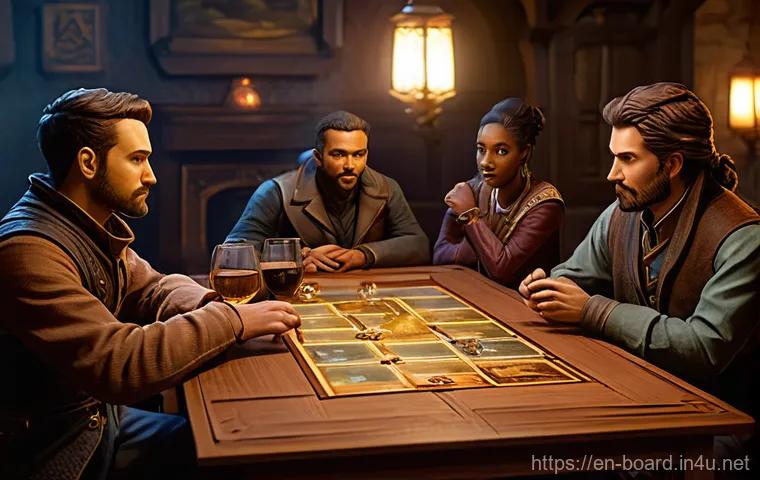
This is arguably the most crucial part of any game night, especially if you’re introducing a new game. Nothing kills the excitement faster than a confusing, drawn-out rules explanation. My approach is to always have the game set up *before* people arrive, if possible. Then, I give a high-level overview of the game’s objective and general flow, followed by the specific actions players can take. I avoid getting bogged down in every tiny edge case until they come up naturally in play. A great tip I’ve learned is to explain rules as you go for the first round or two, letting people learn by doing. I always encourage questions and remind everyone that it’s okay not to grasp everything immediately. A patient, encouraging tone is far more effective than just reading straight from the rulebook. Remember, your goal is to get people playing and having fun, not to pass a rules quiz!
Food, Drinks, and Keeping the Energy High
As I mentioned, snacks are vital! But beyond just having them, make them accessible. I usually set up a separate snack and drink station so people aren’t reaching across the game board. Breaks are also important, especially during longer games. Encourage people to stretch, grab a fresh drink, or just chat for a few minutes between rounds or games. This helps prevent fatigue and keeps the energy levels up. Sometimes, a short break to discuss what just happened in the game, or even a quick stretch, can re-energize everyone. If you’re playing multiple games, consider alternating between a heavier, more brain-burning game and a lighter, more social one to mix up the pace. The key is to be attentive to your guests’ engagement and adjust the flow of the evening to ensure everyone is having a fantastic time.
The Social Side of Gaming: Connecting Through Play
While the strategy and mechanics of board games are incredibly engaging, for me, the true heart of the hobby lies in its ability to bring people together. There’s something uniquely bonding about sitting around a table, sharing laughs, making alliances (and sometimes betraying them!), and collectively experiencing a story unfold. It’s more than just a pastime; it’s a powerful tool for connection in an increasingly digital world. I’ve seen friendships deepen, new bonds form, and even quiet acquaintances blossom into lively gaming partners, all thanks to the shared adventure of a board game. This aspect of the hobby is what keeps me coming back, game after game, year after year. It’s about building a community, one roll of the dice or one placed worker at a time.
Finding Your Gaming Tribe
One of the most rewarding parts of getting into board games is discovering your “gaming tribe.” These are the people who share your enthusiasm, your preferred game types, and your sense of humor around the table. It might take a little searching, but they’re out there! I started by inviting casual friends, but quickly realized that joining local gaming groups or attending public game nights was a fantastic way to meet like-minded individuals. Don’t be shy – most board gamers are incredibly welcoming and eager to share their passion. I’ve found some of my closest friends through board gaming, and these relationships often extend far beyond the game table. Whether it’s a tight-knit group of four or a rotating cast of dozens, having a regular group makes the hobby so much richer. It’s truly a special feeling to know you have people who are just as excited as you are to try that new game or revisit an old favorite.
Local Game Stores: More Than Just a Shop
Your local game store (LGS) is often the absolute best place to start when you’re looking to connect with other gamers. Beyond just selling games, many LGSs serve as vibrant community hubs. They host regular game nights, tournaments, and even teach-and-play sessions for new releases. I’ve spent countless hours at my LGS, not just buying games, but playing demos, chatting with staff about new titles, and meeting fellow enthusiasts. The staff are usually incredibly knowledgeable and passionate, offering personalized recommendations based on your preferences. Think of it as a low-pressure way to try out games before you buy them, and an excellent opportunity to expand your social circle. I’ve made some fantastic connections simply by showing up to open game nights and being open to playing with new people. It’s an invaluable resource for anyone looking to deepen their engagement with the hobby.
Online Communities and Virtual Play
In today’s interconnected world, the board gaming community extends far beyond physical tables. Online forums, dedicated subreddits, Facebook groups, and platforms like BoardGameGeek are incredible resources for connecting with gamers globally. You can discuss strategies, find rules clarifications, swap game recommendations, and even organize virtual game nights. Platforms like Tabletop Simulator or Board Game Arena have made it possible to play hundreds of games with people from all over the world, which is fantastic for those who might not have a local group, or just want to try a game before investing. I’ve joined online campaigns for legacy games with friends who live hundreds of miles away, and it’s been an absolute blast. It’s a testament to the power of board games that they can bridge distances and bring people together, even when they’re not physically in the same room. The sense of community is just as strong, even if the dice rolls are digital!
My Go-To Games: Personal Favorites and Why They Shine
I get asked all the time for my top recommendations, and honestly, it’s like asking me to pick a favorite child – nearly impossible! But I do have a rotation of games that consistently hit the table, games that I find myself recommending over and over again because they just offer something truly special. These aren’t necessarily the “hottest” new releases, but rather the ones that have stood the test of time in my collection, delivering consistent fun and memorable moments. Each of them holds a special place in my heart for different reasons, whether it’s their elegant design, their laugh-out-loud moments, or the sheer depth of strategy they offer. Sharing these personal favorites feels a bit like opening up my own gaming diary, and I hope they spark some joy and inspiration for your next game night too!
Light & Lively: Games for Any Gathering
Not every game night needs to be a strategic brain-burner. Sometimes, you just want to laugh, interact, and have a good time without too much stress. For those occasions, I reach for games that are quick to teach, have immediate appeal, and generate plenty of lively conversation. These are the perfect “gateway” games to introduce new people to the hobby without overwhelming them. They often have simple rules but offer surprising depth or hilarious moments. For instance, I adore a good party game like Codenames or Just One, where the focus is entirely on witty communication and shared understanding. They break the ice instantly and get everyone engaged, even those who claim they “don’t like board games.” And for something a bit more structured but still light, Ticket to Ride is always a hit, letting people build their routes and silently curse their opponents without too much direct confrontation. These games are pure joy in a box!
Deep Dives: When You Want a Strategic Challenge
Then there are the games that demand a bit more from your brain, the ones where you can really sink your teeth into complex decisions and long-term planning. These are my go-to when my group is looking for a satisfying, rich experience that rewards thoughtful play. I absolutely thrive on the challenge of optimizing a strategy, adapting to opponents’ moves, and seeing a grand plan come together (or gloriously fail!). Games like Agricola or Terraforming Mars are personal favorites in this category. They offer so many different paths to victory, so much replayability, and that wonderful feeling of accomplishment when your engine starts purring. They might take a bit longer to set up and learn, but the depth of engagement they provide is unparalleled. There’s a profound satisfaction that comes from mastering a complex system and feeling your strategic muscles getting a real workout.
Story-Driven Adventures: Immersive Worlds to Explore
Sometimes, I want a game that does more than just offer mechanics; I want a game that tells a story, that transports me to another world and lets me truly immerse myself in an adventure. These narrative-driven games often feature rich themes, branching storylines, and decisions that feel impactful within the game’s world. Games like Gloomhaven or Mansions of Madness are incredible examples of this. They create unforgettable experiences where every session feels like an episode in a grand saga. It’s less about winning or losing and more about the journey itself – the discoveries, the dangers, the characters you meet along the way. I’ve had some truly epic moments in these games, moments that my friends and I still talk about months later. They’re fantastic for groups who love collaborative storytelling and aren’t afraid to dive deep into a richly imagined universe. They really transform the tabletop into a portal to adventure.
| Game Type | Brief Description | Typical Player Count | Complexity Level |
|---|---|---|---|
| Party Games | Easy to learn, focus on social interaction, communication, or quick laughs. Great for large, casual groups. | 4-10+ | Low |
| Eurogames | Emphasize strategy, resource management, and indirect competition. Often have abstract themes and minimal player conflict. | 2-4 (sometimes more) | Medium to High |
| Ameritrash (Thematic Games) | Focus on strong themes, storytelling, direct player conflict, and often involve dice rolling and miniatures. | 2-6 | Medium to High |
| Cooperative Games | Players work together against the game system. Emphasize teamwork, communication, and shared problem-solving. | 1-6 | Low to Medium |
| Legacy Games | Campaign-driven games where rules, components, and the story permanently change over multiple plays. | 2-4 | High (initial learning curve) |
Wrapping Things Up
Well, fellow gamers, as we draw this epic session to a close, I genuinely hope these insights help you navigate the ever-expanding universe of board games. It’s a hobby that’s brought so much joy, challenge, and connection into my life, and I truly believe it can do the same for you. Remember, it’s not just about the games themselves, but the incredible experiences and memories you create around the table. So, go forth, explore, play, and most importantly, have a fantastic time. The next great game, and perhaps your next great friend, is out there waiting!
Helpful Tips for Your Gaming Journey
Here are some quick-fire nuggets of wisdom I’ve picked up over my years of rolling dice and shuffling cards – hopefully, they’ll make your board gaming life even better!
1. Try Before You Buy: Many local game stores or public game nights offer opportunities to play a game before you commit to buying it. This is a fantastic way to test the waters and see if a game truly clicks with your group’s style before it lands on your shelf. Trust me, it saves buyer’s remorse and precious shelf space!
2. Organize Your Collection Smartly: As your collection grows, investing in good storage solutions can be a game-changer. Think about shelving, custom inserts, or even just clever box organization. A well-organized collection means less setup time and more playing time, and honestly, it just looks so much more inviting.
3. Don’t Fear the Rulebook (But Love YouTube): While rulebooks can be daunting, a solid read-through is key. However, for a more visual and digestible explanation, I often turn to YouTube tutorial videos. Many content creators do an amazing job of breaking down complex rules into easy-to-understand chunks, making teaching new games so much smoother.
4. Engage with the Community: Whether it’s online forums like BoardGameGeek, local game store events, or social media groups, connecting with other gamers enriches the experience tenfold. You’ll discover new games, get strategic advice, and often find your perfect gaming group, turning a solitary pursuit into a vibrant social one.
5. Personalize Your Experience: Don’t be afraid to implement “house rules” if they genuinely improve the game for your group, or invest in quality accessories like playmats, premium dice, or card sleeves. These small touches can significantly enhance the immersion and longevity of your favorite games, making each session feel uniquely yours.
Key Takeaways
So, what’s the big picture here? It all boils down to making informed and personal choices in a hobby that’s as vast as it is wonderful. Don’t let the sheer volume of new releases overwhelm you; instead, develop a system for evaluating games based on what truly resonates with *your* gaming preferences and group dynamics. This means looking beyond superficial hype and digging into mechanics, themes, and replayability. Remember to step out of your comfort zone, as some of the most memorable experiences come from unexpected discoveries, especially in the vibrant indie scene. Building a collection isn’t about acquiring the most expensive or trending games, but about curating a thoughtful set of titles that bring consistent joy and offer great value for your investment. And finally, always prioritize the social aspect – board games are incredible tools for fostering connection, laughter, and shared stories, transforming simple evenings into unforgettable gatherings.
Frequently Asked Questions (FAQ) 📖
Q: How do I even start choosing a new board game when there are so many fantastic options out there, and I just feel totally overwhelmed?
A: Oh, I completely understand that feeling! It’s like walking into a massive candy store and not knowing where to begin. My personal strategy, after countless hours of playing and reviewing, always starts with thinking about your group.
Who are you playing with? What kind of games have been hits (or even misses) in the past? Do they prefer light, social games, or do they crave deep, strategic challenges?
Once you have a sense of your audience, you can narrow it down by theme (fantasy, sci-fi, historical, abstract) or by mechanics (card drafting, worker placement, deduction).
I’ve learned that blindly chasing the “hottest new thing” can often lead to disappointment if it doesn’t fit your specific playgroup. Don’t be afraid to check out some well-regarded classics in genres you suspect you’ll enjoy, and pay close attention to the listed player count and estimated play time.
Trust me, finding that perfect game that genuinely clicks with everyone is way more rewarding than just buying whatever’s trending.
Q: What are your go-to tips for making sure a game night is a blast, especially when introducing new games to friends and family?
A: This is a huge one for me, and I’ve learned a lot from both triumphs and a few minor disasters! First and foremost, know the rules yourself. Seriously, nothing kills the energy faster than fumbling through a rulebook for half an hour.
I usually watch a “how to play” video a day or two before, or even do a solo run-through if it’s a complex game. Secondly, choose a new game that’s appropriate for your group’s experience level.
Don’t throw a heavy eurogame at casual players who are used to quick party games. Start with something relatively easy to grasp but still offers a fresh experience.
Thirdly, manage expectations! Briefly explain the game’s core concept and its rough playtime, so everyone knows what they’re getting into. And honestly, don’t underestimate the power of good snacks and drinks!
A relaxed, fun atmosphere with delicious treats makes any game more enjoyable, even if it’s not everyone’s absolute favorite. It’s all about creating those shared, joyful memories, isn’t it?
Q: With new board games hitting the shelves seemingly every single week, how do you manage to stay on top of the latest trends and discover new gems without completely overspending or feeling totally swamped by information?
A: Oh, I so get this feeling! My own shelves are testament to a few too many impulse buys from my earlier days. What I’ve found works best is a really intentional approach.
Firstly, I’ve curated a small, trusted group of reviewers and content creators whose tastes generally align with mine – they provide honest, in-depth analysis, not just hype.
Secondly, I actively engage with a couple of online board game communities. This is where you get raw, unfiltered player feedback, which is incredibly valuable.
People will tell you if a game truly shines or if it’s just another pretty box. Thirdly, I make an effort to attend local game meetups or conventions whenever possible.
Getting to try a game before you commit to buying it is an absolute game-changer. And honestly, a huge part of what I do right here on this blog is to help you cut through that noise, highlighting the true standouts and giving you a heads-up on potential disappointments.
It’s all about being discerning and strategic, just like in a good game! Don’t feel pressured to buy everything; focus on what genuinely excites you and truly fits your collection and playgroup.