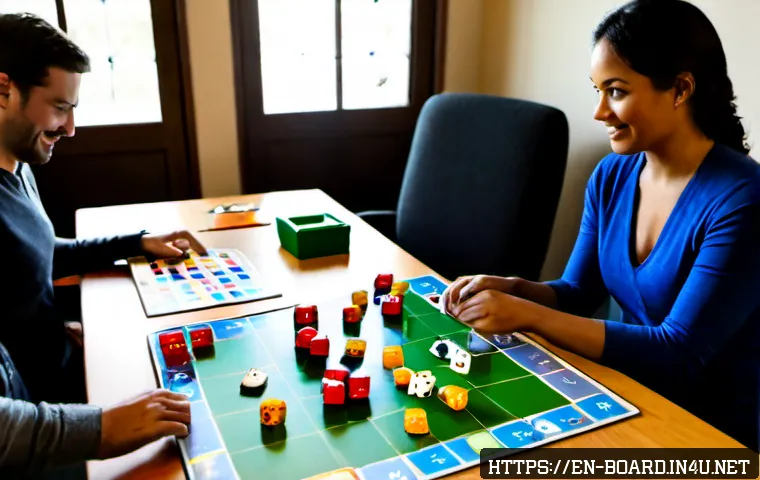
Accessible strategy games, cooperative games, and flexible player counts are among the clearest board game trends to watch. For casual hosts, party and social deduction games are often the easiest starting point; for regular players, streamlined strategy and cooperative systems offer stronger repeat value.
Solo modes also matter more now because they let owners play without coordinating a full group. Before buying, compare the learning curve, regular player count, setup needs, storage space, and likely expansion costs.
A popular game can still be a poor purchase if it does not fit the people who will actually play it. Premium editions may look appealing, but a standard base game is often the more practical first buy.
At a Glance
- Casual groups: Party and social deduction games work well when conversation, quick teaching, and larger gatherings matter most.
- Regular game groups: Accessible strategy and cooperative board games combine clearer rules with meaningful repeat play.
- Long-term hobby buyers: Solo modes, campaigns, expansions, and premium components can add value, but they also raise the total cost of ownership.
| Game Type | Typical Price Tier | Learning Time | Best Group Fit | Recurring Costs |
|---|---|---|---|---|
| Party and social deduction | Low to mid-range | Usually quick to teach | Larger gatherings and mixed-experience players | Usually limited |
| Cooperative games | Mid-range to premium | Varies by rules depth | Groups that prefer shared goals | May include expansions or accessories |
| Modern strategy games | Mid-range to premium | Moderate, often supported by player aids | Repeat groups that enjoy decisions and planning | Can grow with expansions and deluxe upgrades |
| Solo and campaign games | Mid-range to premium | Varies; ongoing systems may take more commitment | Solo players and dedicated hobby owners | Often higher due to added content and storage needs |
What Is Driving Board Game Interest Right Now?
Quick Answer: Accessible Strategy, Cooperative Play, and Flexible Player Counts Lead the Conversation
Current board game trends are not limited to one theme or one kind of player. The strongest categories make it easier to get a game to the table: clearer player aids, shorter turns, shared goals, and options for different group sizes. Cooperative board games remain important for players who would rather solve a challenge together than compete directly.
At the same time, modern strategy games increasingly try to reduce the barrier to entry without removing meaningful choices. That balance matters for buyers who want more depth than a party game but do not want every game night to begin with a long rules explanation.
Why Game-Night Convenience Matters as Much as Theme or Artwork
A striking theme or premium artwork may attract attention, but convenience often determines whether a game gets played again. Consider setup time, how easily one person can teach the rules, the amount of table space required, and whether players can stay engaged between turns. These factors matter especially for hosts who rotate through different guests.
For gift buyers, the practical questions are simple: Will the recipient have enough regular players? Can the game be learned without a heavy commitment? Will the box fit their storage space? A visually impressive game is not automatically the best game-night purchase.
The Difference Between a Popular Game and a Good Fit for Your Group
A trending tabletop game may be popular because of its campaign, collector edition, crowdfunding launch, or online discussion. None of those signals confirms that it matches your group. A good fit depends on who plays, how often they play, and what kind of interaction they enjoy.
Groups that want laughter and conversation may prefer social deduction. Players who dislike direct conflict may be happier with cooperative play. A regular strategy group may value asymmetric roles, modular boards, or variable setups that support replayability. Start with the group, not the hype.
Compare the Main Play Styles Before You Buy
Party and Social Deduction Games for Larger Gatherings
Party and social deduction games are commonly chosen for larger groups because they are easier to teach and naturally support conversation. They are useful for hosts who expect mixed experience levels, changing guest lists, or limited attention spans. Their value often comes from being easy to bring out repeatedly with different people.
The main caution is group preference. Some players love bluffing, debating, and reading other people; others find that kind of interaction uncomfortable. Check whether your guests enjoy direct social pressure before making this your default game-night format.
Cooperative Games for Shared Problem-Solving
Cooperative games give players a shared goal, which can make them welcoming for groups that do not want one winner and several losers. They can also work well for families, couples, and friends who enjoy planning together. Many cooperative systems gain replay value from changing setups, modular elements, roles, or content updates.
However, cooperative play is not automatically simple. Some games still have a substantial rules load or demand careful coordination. Look at the complexity of the base game before adding expansions, especially if the same players will not meet regularly.
Modern Strategy Games for Repeat Game Groups
Modern strategy games often use streamlined rules, clearer player aids, and shorter turns to make deeper decisions feel more manageable. They suit groups that enjoy planning, efficient choices, and repeated plays with the same people. Variable setups, asymmetric roles, and modular boards can make a strategy game feel fresh over time.
The caution is that replay value only matters if the group returns to the game. A strategy title with a long teach, demanding setup, or narrow player-count sweet spot may sit unused if your game night changes from week to week.
Solo and Campaign Games for Long-Term Hobby Play
Solo modes are increasingly included in hobby board games, allowing owners to play without arranging a group. This is a major advantage for buyers who want flexibility. Campaign games can also offer an ongoing experience through connected sessions or frequent content additions.
These formats deserve a closer budget check. A campaign may require more shelf space, more organization, and more time than a casual game-night purchase. If you are considering a collector or crowdfunding edition, review what the standard game includes before paying for optional premium components.
Comparison Table: Budget, Learning Curve, Play Time, and Replay Value
| Priority | Better Starting Style | Why It Fits | Watch For |
|---|---|---|---|
| Easy hosting | Party or social deduction | Conversation-friendly and often easier to explain | Not every group enjoys bluffing or public debate |
| Shared teamwork | Cooperative game | Players pursue the same goal | Rules depth and potential expansion spending |
| Repeat strategic play | Modern strategy game | Meaningful choices with replayable systems | Teach time, table space, and a stable player group |
| Flexible solo use | Solo-capable or campaign game | Playable without scheduling other people | Ongoing commitment, storage, and accessory costs |
Where the Spending Goes: Base Games, Expansions, and Premium Editions
Typical Value Differences Between Entry-Level, Mid-Range, and Premium Hobby Games
An entry-level board game can be the best value when you need an approachable option for occasional gatherings. Mid-range hobby games may offer more strategic depth, replay systems, or components. Premium hobby games and deluxe editions may add upgraded materials, optional extras, or collector appeal, but they do not automatically improve the fit for your table.
Think about total cost of ownership, not only the initial purchase. A base game that sees regular play can be more valuable than a premium box that remains unopened or feels too complicated to teach.
When Expansions Improve a Game—and When They Create Unnecessary Cost
Expansions can improve a game when the base system is already a favorite and your group wants more variety, roles, maps, modules, or campaign content. They can be especially useful when they solve a real need, such as supporting the player count you use most often.
They create unnecessary cost when they are bought before the base game has earned repeat plays. More content can also make setup, storage, and teaching harder. Try the core experience first, then decide whether the expansion adds something your group will actually use.
Storage, Organization, Sleeves, and Accessories to Budget For
Sleeves, inserts, organizers, and other board game accessories can protect components and make setup easier. They can also substantially increase the cost of a collection. Large campaign boxes and premium editions may require more storage than expected, especially once expansions enter the picture.

Before adding accessories, ask whether they solve a practical problem. An insert may be useful if it makes a frequently played game faster to set up. If the game rarely reaches the table, organization upgrades are unlikely to deliver much value.
Common Buying Mistakes When Following Tabletop Trends
Buying for Hype Instead of the Number of Regular Players
The most common mistake is buying a game for the imaginary group rather than the regular one. If you usually play with a small, familiar group, prioritize games that work well at that player count. If you mainly host larger gatherings, favor flexible party games or social formats that can handle changing attendance.
Underestimating Setup, Teach Time, and Table Space
A game can have excellent reviews and still be inconvenient for your home or schedule. Check the amount of space needed for boards, cards, components, and player areas. Also consider whether someone in your group is comfortable learning and teaching the rules.
Convenience is a feature. A game that starts smoothly is more likely to become part of your routine.
Choosing a Complex Campaign Game for an Occasional Game Night
Campaign games can be rewarding, but they are best for players who expect to return to the same system. An occasional game night may be better served by a self-contained base game, particularly when attendance changes. Do not assume that an ongoing campaign will be easy to resume after long gaps.
Overpaying for Deluxe Components Before Trying the Core Game
Deluxe components can be attractive in crowdfunding and direct-to-consumer launches. Still, premium materials do not change whether the rules, theme, or interaction style suit your group. Start with the standard retail edition when available if you are uncertain about long-term interest.
Match the Trend to Your Game Night or Collection
Best Fit for Families and Casual Hosts
Choose games with straightforward teaching, flexible group support, and a low setup burden. Party games and lighter cooperative options can be practical choices because they encourage conversation and do not require every player to arrive with hobby-game experience.
Best Fit for Competitive Strategy Groups
Look for modern strategy games with clear player aids, repeatable decision-making, and systems that reward repeated sessions. Variable setups or asymmetric roles can help maintain interest. Confirm that your group enjoys the level of competition and complexity involved.
Best Fit for Cooperative Players
Cooperative board games are a natural fit for players who want shared problem-solving instead of direct competition. Compare how much communication, planning, and rules management the game expects. A cooperative game should feel collaborative, not like one experienced player making every decision.
Best Fit for Solo Players and Collectors
For solo players, prioritize a clearly supported solo mode over the assumption that a multiplayer game will work alone. For collectors, consider storage, component organization, and the possibility of future expansions. Collector editions and limited releases may have appeal, but their long-term resale value is uncertain.
Selection Criteria and Comparison Summary
Choose a base game first if you are new to the system, your group plays irregularly, or you are unsure whether the theme and rules will land well. Consider premium editions only when you already know the game will see regular use and the upgraded components or extras solve a real preference. Check your usual player count, available table space, teaching tolerance, desired interaction, and budget for expansions or accessories. For a purchase decision, review the edition contents, player support, and any optional add-ons on the relevant retailer, publisher, or campaign page.
In Closing
Board game trends are moving toward games that are easier to teach, easier to replay, and easier to match with different lifestyles. Cooperative play, approachable strategy, social deduction, and solo support each solve a different game-night need. The best purchase is rarely the most talked-about box; it is the one your actual players will want to open again. Begin with the core game, then add expansions or premium upgrades only when they support real play.
Useful Things to Know
Replay value can come from modular boards, variable setups, asymmetric roles, campaigns, or new content. Flexible player count is useful for hosts, but check how the game feels with your usual number of players. Accessories can improve organization, yet they should be treated as optional collection costs rather than automatic necessities.
Important Notes
Retail prices, stock, shipping costs, crowdfunding delivery timelines, and availability can change. A game’s complexity, theme, and level of player interaction may work very differently from one group to another. Popularity does not guarantee a fit, and the future resale value of deluxe or limited editions cannot be assumed.
Frequently Asked Questions
Q1. What board game trends are best for a casual game night?
A1. Party games, social deduction games, and approachable cooperative games are often good starting points for a casual game night. Choose a game with simple teaching, manageable setup, and support for the number of people who usually attend.
Q2. Are premium board game editions worth the higher price?
A2. Consider premium editions only when you already know the core game suits your group and the upgraded components or extras matter to you. If you are unsure, choose a base game first and avoid paying for expansions, deluxe components, or accessories before the game earns repeat plays.
Q3. How do I choose between a cooperative game and a competitive strategy game?
A3. Choose a cooperative game if your group prefers shared goals, discussion, and solving problems together. Choose a competitive strategy game if players enjoy individual planning, direct comparison of results, and returning to a system to improve over repeated plays.