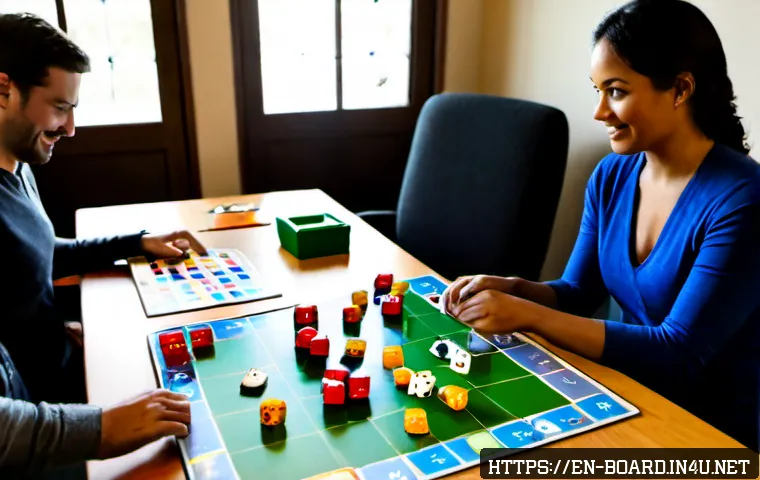
Choose a board game by matching its player count, learning curve, and expected play time to the people at your table. The smoothest game nights usually start with a simple goal explanation, an organized setup, and a game that fits the group’s mood.

Check the box or rulebook first for recommended players, estimated time, age guidance, and setup variations. A lower-priced base game can be the smarter purchase when your group is still learning what it enjoys.
Accessories, expansions, and premium editions can add convenience, but they should solve a real table problem rather than create more rules or spending.
At a Glance
- Choose by player count, available time, and experience level before choosing a theme.
- Teach the goal and a typical turn first; save unusual rule exceptions for when they matter.
- Compare the base game, expansions, storage options, and retailer bundles based on actual use at your table.
| Game Type | Best Fit | Learning Curve | Purchase Consideration |
|---|---|---|---|
| Party game | Casual social gatherings | Usually quick to explain | Look for flexible player counts and easy turn flow. |
| Family game | Mixed ages and newer players | Often approachable | Check age guidance, component handling, and game length. |
| Strategy game | Groups that enjoy planning | Can be higher | Check table space, rule complexity, and expected play time. |
| Cooperative game | Players who prefer shared goals | Varies by title | See whether the group enjoys discussing decisions together. |
| Campaign game | Regular groups that can return to the same game | Often builds over time | Consider storage, session continuity, and long-term interest. |
Start With the Right Game for Your Group
The best starting point is not the most talked-about game. It is the game your group can actually finish, understand, and want to play again. Use the recommended player count, estimated play time, and age guidance on the box or rulebook as your first screen.
Use player count, available time, and experience level as the first filters
A game can feel very different at different player counts. Pacing, interaction, and balance may change, so check whether the rulebook includes setup variations for your expected number of players. If your group has a limited evening, remember that teaching and setup can add time beyond the publisher’s estimate.
For a mixed group, prioritize a clear turn structure and an easy-to-see game state. For experienced players, a deeper ruleset may work well, but only if everyone is comfortable with the time commitment and table space required.
Match competitive, cooperative, and party-style games to the mood
Competitive games work when players enjoy direct comparison, tactical choices, or individual scoring. Cooperative games can suit groups that prefer solving a shared problem. Party-style games are often useful when conversation matters more than detailed planning.
Do not assume one style works for every gathering. A strategy-focused group may want more planning time, while a social gathering may be better served by a game that lets people join the conversation between turns.
Three quick rules for avoiding an overcomplicated choice
- Do not choose a long game for a group with a short window.
- Do not make every player learn a dense ruleset unless the group wants that challenge.
- Do not buy an expansion first if the base game has not earned repeat plays.
Teach Rules Without Slowing Down the Night
A short overview before setup can reduce confusion during the first round. The goal is not to explain every possible situation. The goal is to help players make their first meaningful decision with confidence.
Explain the goal before explaining every exception
Start with one plain sentence: what each player or team is trying to achieve. Then explain how a round normally works, what choices players make, and how the game ends. Once the main loop is clear, the pieces and symbols have a purpose.
Keep exceptions brief. Too many special cases at the start can make a straightforward game sound difficult. Mention only the rules that will affect the first few turns.
Use a practice round to demonstrate a typical turn
A practice round is often more useful than a long explanation. Show where players get information, what they may choose, and what happens after a choice. Let players ask questions while looking at the actual board, cards, tokens, or player aids.
This approach is especially helpful for first-time players and mixed-experience tables. It turns rules from abstract instructions into visible actions.
Keep the rulebook available without reading it aloud line by line
Place the rulebook where it can be reached quickly. When a question comes up, pause long enough to check the relevant section, make a fair interpretation, and continue. Reading the full rulebook aloud can slow the table and bury the main objective.
If a rule disagreement cannot be settled quickly, agree on a temporary ruling for that session and verify the official wording later. Consistency matters more than winning a minor debate.
Compare Game Types, Complexity, and Purchase Value
Purchase value is personal. A game’s value depends on whether it fits your group’s preferred themes, budget, available time, and willingness to learn. A high component count or deluxe box does not automatically make a better game night.
Quick comparison: party, family, strategy, cooperative, and campaign games
Party and family games may be practical choices for changing guest lists or players who are new to tabletop games. Strategy games can reward repeat sessions when the same group enjoys deeper planning. Cooperative games may be appealing when the table wants to discuss choices rather than compete directly. Campaign games can be a good fit for a regular group, but they require a realistic plan for returning to the game.
When a lower-priced base game is the better value
A base game is often the best first purchase because it lets your group test the core experience. It can reveal whether players enjoy the theme, complexity, and pacing before they consider more content. This is also simpler for new players because there are fewer components and fewer rules to manage.
Before comparing prices, check what each edition includes. Contents, availability, and pricing can vary by retailer, edition, and region.
When expansions, upgraded components, or organizers are worth considering
An expansion may be worth considering when the base game is already played regularly and the group wants a specific kind of variety, player-count option, or mode. It is not automatically necessary, and it may add rules that some groups do not want.
Upgraded components and card sleeves can improve handling or protection for some tables. Component organizers, trays, and labeled bags can be especially useful when setup or cleanup interrupts the flow of longer games. Compare what is included with a premium edition against what your group would actually use.
Prevent Common Table Problems Before They Start
Most frustrating game-night problems are practical: lost pieces, crowded tables, unclear turns, and rules questions that stop the action. A little preparation makes the game easier to follow without changing the game itself.
Reduce setup time with labeled bags, trays, or component organizers
Clear table space and adequate lighting make cards, boards, and tokens easier to read. Keep components sorted in labeled bags, small trays, or a game-specific organizer so players can find what they need without searching through a box.

Choose storage solutions based on the game’s component volume and your shelf space. An organizer should make setup simpler, not make packing the game away more complicated.
Avoid analysis paralysis and long turns
Long turns can drain energy from the table, especially when players are waiting with no reason to stay engaged. Encourage players to consider their options while others are acting when the game allows it. For casual nights, it can also help to agree that a reasonable decision is better than a perfect one.
Be careful not to pressure newer players. The aim is to maintain momentum while giving everyone enough room to understand their choices.
Resolve rule disagreements fairly and keep the game moving
Use the rulebook as the first reference. If the wording still leaves uncertainty, choose a solution that applies equally to everyone for the rest of that session. Avoid changing an interpretation repeatedly after players have planned around it.
A calm ruling protects the game night better than a long argument over a rare edge case.
Adapt the Experience for Different Groups
One game can serve different audiences when you adjust the teaching style, setup, and expectations. The important part is recognizing what the group needs before the first turn.
Tips for first-time players and mixed-experience tables
Give experienced players a helpful role, not a controlling one. They can demonstrate setup, answer questions, and model a turn, but newer players should still make their own decisions. Choose a game mode or player-count setup that the rulebook supports for your table.
Tips for families and shorter attention spans
Use a clear play area, keep instructions short, and choose a game with an understandable goal. Break explanations into small parts and begin playing once the basic turn is clear. A shorter game can be a better fit than a more complex game that the group may not finish.
Tips for strategy-focused groups that enjoy deeper planning
Strategy groups may appreciate more detailed discussion of scoring, timing, interaction, and setup variations. Still, confirm the expected time before starting. A deeper planning game needs enough table space, lighting, and uninterrupted time for players to follow the board state comfortably.
Selection Criteria and Comparison Summary
Before buying, use this quick checklist:
- Group size: Does the recommended player count match the people who will actually play?
- Learning time: Can the group handle the rules on the night you plan to play?
- Replay value: Is the core game likely to return to the table often enough for your group?
- Table space: Is there room for boards, cards, tokens, and player areas?
- Base game or expansion: Does the group need more content now, or should it learn the base game first?
- Accessories: Would sleeves, storage, trays, or upgraded components solve a real convenience issue?
When comparing editions, accessories, and retailer bundles, check the listed components, supported player counts, and any included storage or expansion content on the relevant product page.
Final Thoughts
A good board game night is usually built on a good match, not a complicated purchase. Pick a game your group can learn and finish comfortably, then teach the objective and first turn with as little friction as possible. Keep the table organized and the rulebook nearby. Once the base experience works, you can decide whether an expansion, organizer, sleeves, or premium edition adds useful value.
Useful Things to Know
Player count matters: pacing, interaction, and balance can change with the number of players.
Estimated time is a guide: actual play length may change with teaching time and player familiarity.
Setup variations may exist: check the rulebook for player-count-specific instructions.
Not every add-on is essential: expansions and accessories should fit how your group plays.
Important Notes
Box information and rulebooks should be checked for the specific edition you are considering. Prices, stock, included components, supported modes, and retailer bundles can vary by region and seller. An expansion may not be suitable for every group, even when it is available for the game.
Frequently Asked Questions
Q1. What is the easiest way to teach a board game to beginners?
A1. Explain the goal first, then show what a normal turn looks like. A brief practice round helps players connect the rules to the pieces in front of them. Keep the rulebook available for questions instead of explaining every exception before play begins.
Q2. How do I choose a board game that is worth the price for my group?
A2. Start with player count, available time, experience level, and the kind of interaction your group enjoys. Then compare the base game’s contents with other editions or bundles. The best value is usually the option your group is likely to play, rather than the version with the most extras.
Q3. Are board game expansions worth buying, or should I start with the base game?
A3. Start with the base game unless you already know your group wants the specific changes an expansion provides. Expansions can add variety, modes, or components, but they may also add complexity. Compare the expansion’s contents and requirements with the way your group actually plays before purchasing.