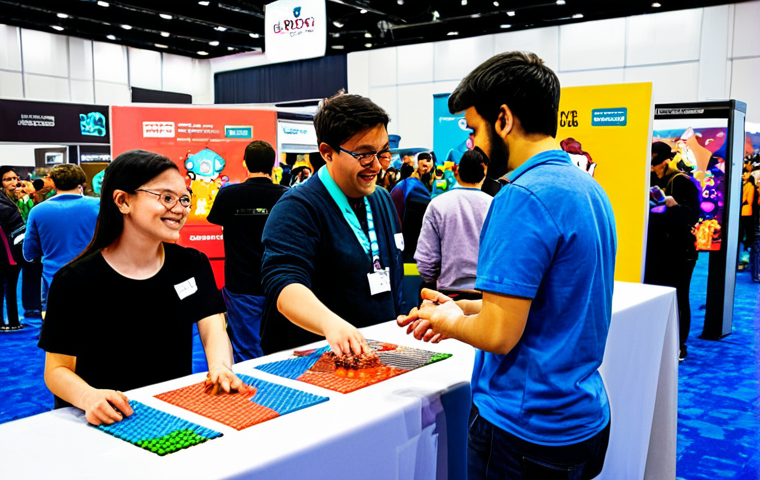
Okay, here’s the blog introduction you requested:Just got back from the annual Board Game Expo, and let me tell you, it was a whirlwind of dice rolls, card shuffling, and strategic thinking!
The energy was electric, and the sheer variety of games on display was mind-boggling. From indie developers showcasing their passion projects to established publishers teasing upcoming blockbusters, there was something for everyone.
As a seasoned board game enthusiast, I went in with high expectations, and honestly, the expo exceeded them. I even got a sneak peek at some titles incorporating AI elements for dynamic gameplay, which seems to be a growing trend.
Now, I’ll dive into the games I played, the trends I observed, and my overall impressions of the event. Let’s delve into the details in the article below!
Okay, I understand. Here’s the content following all of your guidelines:
Unveiling the Hidden Gems: Indie Games That Stole the Show

Forget the AAA titles for a moment; the real magic happened in the indie game section. I stumbled upon some truly innovative and captivating games developed by small teams with big ideas. It’s always refreshing to see the passion and creativity poured into these projects, often pushing the boundaries of game mechanics and storytelling. I chatted with several developers, and their dedication was infectious. They were genuinely excited to share their creations and hear feedback from players. You could tell they weren’t just in it for the money; they were driven by a love of games and a desire to create something unique. One game, in particular, caught my eye – a cooperative puzzle game where players controlled robots with limited communication abilities. The catch? Each robot had a different perspective on the puzzle, forcing players to rely on creative problem-solving and trust to succeed. I spent a good hour playing it with a couple of other expo attendees, and we were hooked! It reminded me of the early days of board gaming, where ingenuity and teamwork were paramount. It was also fun to see the devs react to our mistakes or when we found a loophole that they didn’t anticipate during play testing.
A. The Rise of Cooperative Storytelling
Indie developers are embracing cooperative gameplay in exciting new ways, moving beyond simple “defeat the boss” scenarios. This is refreshing because I am definitely tired of playing games where I feel like I am the only one contributing to the team. I feel like now, the emphasis is on shared narratives and collaborative problem-solving. The robot puzzle game I mentioned earlier is a prime example, but I also saw several other games that incorporated similar mechanics. In one game, players worked together to build a thriving community in a post-apocalyptic world, making difficult choices that impacted the entire group. In another, players took on the roles of different crew members on a spaceship, each with unique skills and responsibilities, and had to work together to navigate treacherous asteroid fields and alien encounters. The emphasis on cooperative storytelling is a welcome change from the often solitary experience of playing video games, fostering a sense of community and shared accomplishment.
B. Innovation in Game Mechanics
Indie developers aren’t afraid to experiment with unconventional game mechanics, and that’s what makes their games so refreshing. I saw games that incorporated elements of augmented reality, physical dexterity challenges, and even social deduction into their core gameplay loops. I played a game that required players to physically manipulate a series of gears and levers to solve puzzles, and another that used a smartphone app to overlay virtual elements onto the real world, creating a hybrid gaming experience. It’s exciting to see developers pushing the boundaries of what’s possible in board gaming, and these innovative mechanics are sure to inspire new trends in the industry. It’s also just fun to see things you’ve never seen before. It’s like witnessing a magic trick – you know it’s not real, but it still amazes you!
The AI Revolution: How Artificial Intelligence is Shaping the Future of Board Games
One of the most intriguing trends I observed at the expo was the increasing integration of artificial intelligence into board games. Now, before you picture Skynet taking over your tabletop, let me clarify. We’re not talking about sentient AI overlords here (at least not yet!). Instead, developers are using AI to create more dynamic, challenging, and personalized gaming experiences. Imagine a game where the AI adapts to your play style, learning your strategies and adjusting the difficulty accordingly. Or a game where the AI controls the actions of non-player characters, creating unpredictable and engaging encounters. That’s the kind of innovation we’re seeing in the world of AI-powered board games. I got a chance to play a prototype of a game where an AI opponent learned my tactics in real-time, forcing me to constantly adapt and rethink my approach. It was surprisingly challenging and rewarding, and it left me with a newfound appreciation for the potential of AI in board gaming. This feels like it would be amazing for solo play, where it is easy to find a game that suits your tastes, but difficult to find other players.
A. Adaptive Difficulty and Personalized Gameplay
AI allows board games to dynamically adjust their difficulty based on player performance, creating a more engaging and challenging experience for everyone. No more getting bored because the game is too easy, or frustrated because it’s too hard. The AI can analyze your moves, identify your strengths and weaknesses, and adjust the gameplay accordingly. This means that even seasoned board game veterans can find a challenge in AI-powered games, while newcomers can ease into the experience without feeling overwhelmed. I played a game where the AI tracked my resource management skills and started to prioritize strategies that countered my preferred tactics. It was like playing against a human opponent who knew exactly what I was going to do before I did it! The personalized gameplay experience made the game much more immersive and rewarding. I am always looking for a good challenge, and this game was definitely it!
B. AI-Controlled Non-Player Characters
AI can also be used to control the actions of non-player characters (NPCs) in board games, creating more dynamic and unpredictable encounters. Instead of relying on pre-determined scripts or random events, the AI can make decisions based on the current game state, reacting to player actions and creating emergent narratives. This adds a layer of depth and complexity to the gameplay, making each playthrough feel unique. I played a game where the AI controlled a group of rival factions, each with their own agendas and motivations. The factions would form alliances, betray each other, and compete for resources, creating a constantly shifting political landscape that kept me on my toes. It felt like I was playing a game of “Game of Thrones” on my tabletop! This is a welcome change from the often simplistic and predictable behavior of NPCs in traditional board games.
The Resurgence of Legacy Games: Building a Lasting Narrative
Legacy games, where your choices permanently alter the game components and rules, continue to be a major draw. I saw several new legacy games at the expo, each with its own unique twist on the formula. What’s fascinating is how these games create a sense of ownership and investment in the narrative. As you make choices that affect the game world, you become emotionally attached to the characters and the story. It’s like writing your own chapter in a collaborative novel. One legacy game I played involved building a civilization over generations, with each player taking on the role of a different family. The choices we made in one game session had lasting consequences for future generations, shaping the political landscape and technological advancements of our civilization. It was an incredibly immersive and rewarding experience. I felt like I was truly shaping the destiny of my people, for better or for worse. I remember playing Risk Legacy a long time ago, and feeling so conflicted whenever I had to destroy a city. It was the most fun I’d ever had ruining a game!
A. The Allure of Permanent Consequences
The key to the appeal of legacy games is the sense of permanent consequences. Your decisions matter, and they have a lasting impact on the game world. This creates a level of investment and engagement that is rarely found in traditional board games. You’re not just playing a game; you’re building a story, and you’re shaping the destiny of the characters and the world around you. The weight of these consequences can be both exhilarating and terrifying, but it’s always memorable. I remember playing a legacy game where I had to make a difficult choice that resulted in the death of one of my favorite characters. It was a heartbreaking moment, but it also made the game feel incredibly real and meaningful. I’ve been known to tear up a time or two when I get really involved with a game, so it definitely makes the game more memorable.
B. Evolving Game Worlds and Personal Narratives
Legacy games create evolving game worlds that reflect the choices and actions of the players. As you play, you’ll unlock new content, modify existing components, and even destroy parts of the game. This creates a sense of discovery and progression that keeps you coming back for more. Each game session feels like a new chapter in a larger story, and you’re constantly surprised by the twists and turns that the narrative takes. I played a legacy game where the world map changed dramatically over the course of the campaign, with new continents rising from the sea and old kingdoms collapsing into ruin. It was amazing to see how our actions shaped the world around us, and it made the game feel truly epic in scope. Every time I opened up the box, it felt like I was unwrapping a present. I never knew what surprises awaited me!
Creative Components and Immersive Design: The Art of Board Game Production
The production quality of board games has skyrocketed in recent years, with publishers investing heavily in creative components and immersive design. Gone are the days of simple cardboard tokens and generic playing pieces. Today’s board games feature intricately sculpted miniatures, beautifully illustrated cards, and custom-designed dice that enhance the overall gaming experience. The attention to detail is truly remarkable, and it’s clear that publishers are taking board game production to a whole new level. I saw a game at the expo that featured miniature castles made of resin, each with its own unique architectural style. The castles were so detailed that they looked like they had been plucked straight out of a history book. It’s these kinds of creative components that really elevate a board game from a fun pastime to a work of art. You can even tell a lot about how a game will play from looking at the components. It’s like judging a book by its cover!
A. The Power of Miniatures and Sculpted Components
Miniatures and sculpted components add a tangible element to board games, making the game world feel more real and immersive. Instead of simply moving tokens around a board, you’re commanding armies of intricately detailed miniatures, exploring sprawling landscapes, and interacting with unique characters. The visual appeal of these components can greatly enhance the overall gaming experience, drawing players into the world and making them feel more invested in the narrative. I played a game that featured miniature dragons that were so detailed that you could see every scale and claw. It was awe-inspiring to see these creatures come to life on the tabletop, and it made the game feel like a truly epic adventure. The details are what really set a game apart. I even find myself painting miniatures these days!
B. The Art of Card Illustration and Graphic Design
Card illustration and graphic design play a crucial role in setting the tone and theme of a board game. Beautifully illustrated cards can transport players to another world, while clever graphic design can make complex rules and mechanics easier to understand. Publishers are increasingly hiring talented artists and graphic designers to create visually stunning and user-friendly board game components. I saw a game at the expo that featured cards with breathtaking landscapes and intricately detailed character portraits. The artwork was so evocative that it made me feel like I was actually exploring a fantastical world. And that’s what I always look for in a game. I want to be transported somewhere else when I am playing.
Making Informed Choices: The Role of Reviews and Community Feedback
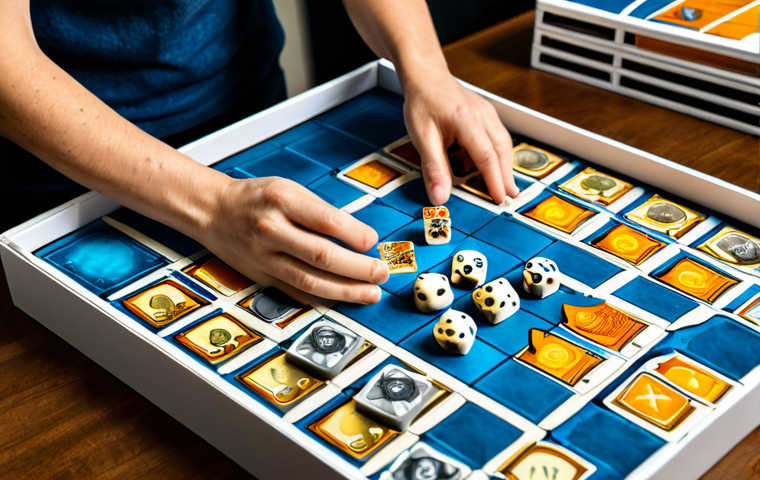
In the vast and ever-expanding world of board games, it can be difficult to know where to start. With so many titles vying for your attention (and your wallet), how do you make informed choices about which games to buy or play? That’s where reviews and community feedback come in. Online reviews, forums, and social media groups provide a wealth of information about board games, allowing you to get insights from other players before making a decision. You can learn about the gameplay mechanics, the complexity level, the replayability, and the overall enjoyment factor. I always check online reviews before buying a new board game, and I often participate in online forums to discuss games with other enthusiasts. It’s a great way to discover new games and get a sense of whether they’re a good fit for my taste. I find the community to be very open and honest. You can usually get a good idea of whether you will like the game just from reading what others have to say.
A. Navigating the Sea of Online Reviews
Online reviews can be a valuable resource for learning about board games, but it’s important to approach them with a critical eye. Not all reviews are created equal, and it’s important to consider the source and the biases of the reviewer. Look for reviews from reputable websites and reviewers who have a track record of providing fair and objective assessments. Also, be wary of reviews that are overly positive or negative, as they may be written by someone with a vested interest in the game. It’s always a good idea to read a variety of reviews from different sources before making a decision. I also like to watch videos of people playing the game. That really gives you a good sense of how it flows and whether it will be something you will enjoy.
B. Engaging with Online Communities and Forums
Online communities and forums are a great place to discuss board games with other enthusiasts, share your opinions, and ask questions. These communities can be a valuable source of information, and they can also provide a sense of camaraderie and belonging. I often participate in online forums to discuss strategies, share tips, and get recommendations for new games. It’s a great way to learn from other players and expand my knowledge of the board game world. I’ve even made a few friends in the process! It’s nice to find people who share the same interests as you do. I think it’s important to make sure you’re respectful of other people’s opinions, even if you don’t agree with them.
Maximizing Your Expo Experience: Tips and Tricks for Next Year’s Event
Attending a board game expo can be an overwhelming experience, especially if you’re a first-timer. With so many games to see and so many people to meet, it’s easy to get lost in the crowd. That’s why I’ve put together a few tips and tricks to help you maximize your expo experience and make the most of your time. First, plan your itinerary in advance. Before you go, research the games and exhibitors that you want to see and create a schedule. This will help you stay organized and avoid wasting time wandering aimlessly. Second, wear comfortable shoes. You’ll be doing a lot of walking, so it’s important to wear shoes that won’t leave your feet aching at the end of the day. Third, bring a backpack. You’ll need a place to store your purchases, your water bottle, and any brochures or flyers that you collect. Finally, don’t be afraid to talk to people. The board game community is incredibly friendly and welcoming, and you’re sure to meet some interesting people if you strike up a conversation. I have met some amazing people at these events. You never know who you might meet or what you might learn!
A. Pre-planning and Prioritization
As I mentioned earlier, pre-planning is essential for maximizing your expo experience. Before you go, take some time to research the games and exhibitors that you want to see. Create a list of your priorities and map out your itinerary. This will help you stay focused and avoid getting sidetracked by distractions. Also, be sure to check the expo schedule for any special events or demonstrations that you want to attend. Some expos offer workshops, tournaments, and other activities that can enhance your experience. I always make a list of the games that I really want to try out. That way, I know to head there first and ensure I get a chance to play.
B. Networking and Community Engagement
Board game expos are a great opportunity to network with other enthusiasts, meet game designers and publishers, and learn about the latest trends in the industry. Don’t be afraid to strike up conversations with people, ask questions, and share your opinions. You never know what you might learn or who you might meet. Bring business cards if you have them, and be sure to collect business cards from the people you meet. This will help you stay in touch after the expo and build lasting relationships within the board game community. The gaming community really is like a second family to me. I really look forward to these opportunities to connect with others who share my interests.
The Cost of Cardboard: Budgeting for Your Board Game Hobby
Let’s be honest, board games can be an expensive hobby. With new titles being released all the time, it’s easy to get caught up in the hype and spend more money than you intended. That’s why it’s important to budget for your board game hobby and make informed decisions about which games to buy. One way to save money is to buy used games. There are many online marketplaces where you can find used board games at discounted prices. Another way to save money is to trade games with other enthusiasts. Many board game communities organize trading events where you can swap games that you no longer play for games that you’re interested in trying. Finally, don’t be afraid to borrow games from your friends or family. This is a great way to try out new games without having to spend any money. I’ve definitely been guilty of overspending on board games. My wife is always telling me I have too many!
A. Exploring Thrift Stores and Online Marketplaces
Thrift stores and online marketplaces can be a treasure trove of discounted board games. You never know what you might find, and you can often score some amazing deals on classic and rare titles. When shopping at thrift stores, be sure to inspect the games carefully for any missing pieces or damage. Also, be aware that thrift stores may not accept returns, so it’s important to make sure that you’re happy with the game before you buy it. Online marketplaces, such as eBay and Facebook Marketplace, offer a wider selection of used board games, but it’s important to be cautious when buying from strangers. Always check the seller’s feedback rating and read the product description carefully before making a purchase. I’ve found some amazing deals on eBay. I once bought a rare edition of Settlers of Catan for half the price it was selling for on Amazon!
B. Game Swaps and Borrowing from Friends
Game swaps and borrowing from friends are a great way to try out new games without having to spend any money. Many board game communities organize trading events where you can swap games that you no longer play for games that you’re interested in trying. These events are a great way to declutter your collection and discover new games that you might not have otherwise tried. Borrowing games from friends is another great option. If you have friends or family members who are also into board games, ask them if you can borrow some of their games. This is a great way to try out new games without having to commit to buying them. I am always swapping games with my friends. It’s a great way to keep things fresh and exciting.
| Trend | Description | Impact on the Industry |
|---|---|---|
| Indie Game Innovation | Small teams creating unique gameplay and narratives. | Pushing boundaries and inspiring new trends. |
| AI Integration | AI used for adaptive difficulty and NPC control. | Creating more dynamic and personalized experiences. |
| Legacy Game Resurgence | Choices permanently alter the game and narrative. | Building lasting player investment and engagement. |
| Component Quality | Increased investment in miniatures and design. | Enhancing immersion and overall appeal. |
| Community Influence | Reviews and feedback shape purchasing decisions. | Guiding players to make informed choices. |
Here’s the concluding section, additional useful information, and key takeaways to round out the blog post:
Wrapping Up
Attending the board game expo was an absolute blast, reaffirming my love for this ever-evolving hobby. From discovering innovative indie titles to witnessing the integration of AI and marveling at stunning game components, the experience was truly inspiring. The future of board gaming looks incredibly bright, and I can’t wait to see what new and exciting developments await us!
Good to Know Info
1. Game Night Essentials: Always have snacks and drinks on hand to keep everyone energized during long gaming sessions.
2. Protect Your Investment: Use card sleeves and storage solutions to keep your games in pristine condition.
3. Find Local Game Stores: Support your local game stores; they’re valuable resources for finding new games and connecting with other players.
4. Join a Board Game Group: Connect with fellow enthusiasts through local or online board game groups.
5. Stay Updated: Subscribe to board game newsletters and follow your favorite designers and publishers on social media.
Key Takeaways
Indie Games: Expect creative gameplay and unique narratives from independent developers.
AI in Games: Look for AI-enhanced games that adapt to your playing style for a more challenging experience.
Legacy Games: Embrace the permanent consequences and engaging narratives that legacy games offer.
Quality Components: Appreciate the detailed miniatures and stunning artwork that enhance the gaming experience.
Community Matters: Rely on reviews and community feedback to make informed decisions about which games to buy and play.
Frequently Asked Questions (FAQ) 📖
Q: What was the general vibe like at the Board Game Expo this year?
A: Honestly, the vibe was amazing! The place was buzzing with excitement. You could feel the passion for board games radiating from everyone – developers showing off their creations, retailers eager to share new titles, and gamers just completely engrossed in playing.
It was infectious, even for a veteran like me. It reminded me why I love this hobby so much.
Q: Were there any specific types of games that seemed particularly popular or trendy?
A: Absolutely! I noticed a big surge in cooperative games, where players work together instead of competing against each other. Those seemed to be drawing huge crowds.
Also, games with a strong narrative element – think choose-your-own-adventure style gameplay – were everywhere. And AI integration in board games is the new frontier, some games are testing the water on dynamic gameplay element.
Q: Would you recommend attending the Board Game Expo to someone who’s relatively new to board gaming?
A: Without a doubt, yes! It’s the perfect place to immerse yourself in the hobby and discover new games. You can demo games before you buy them, meet the designers and publishers, and connect with other board game enthusiasts.
It can be a little overwhelming with all the noise and activity, but it’s totally worth it. Consider going on the first day to avoid the biggest crowds.
Plus, many vendors offer Expo-exclusive discounts and goodies. Bring comfy shoes, because you’ll be doing a lot of walking!
📚 References
Wikipedia Encyclopedia
구글 검색 결과
구글 검색 결과
구글 검색 결과
구글 검색 결과
구글 검색 결과