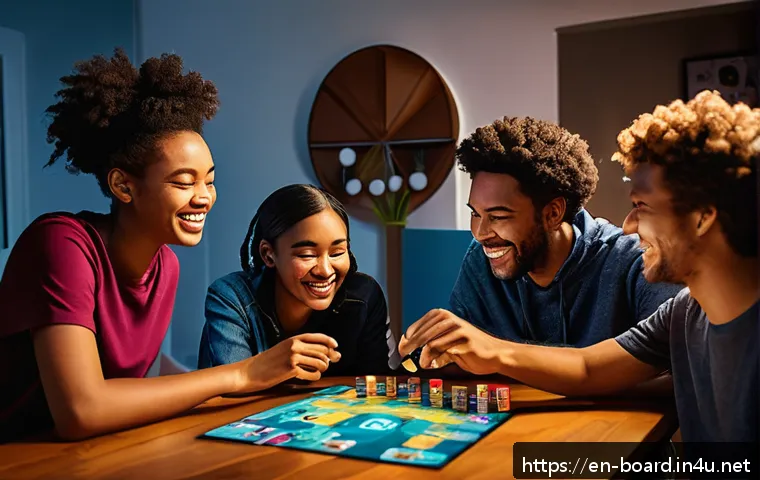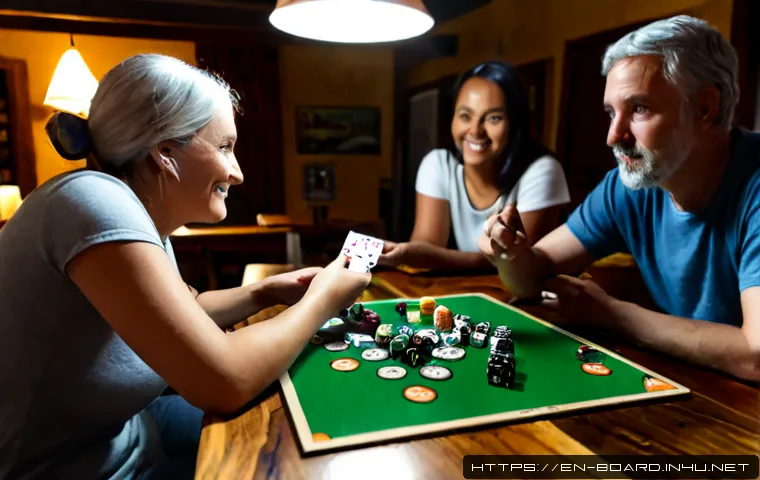
A survival-themed board game event works best when the game’s player count, rules weight, and session length match the group before invitations go out.
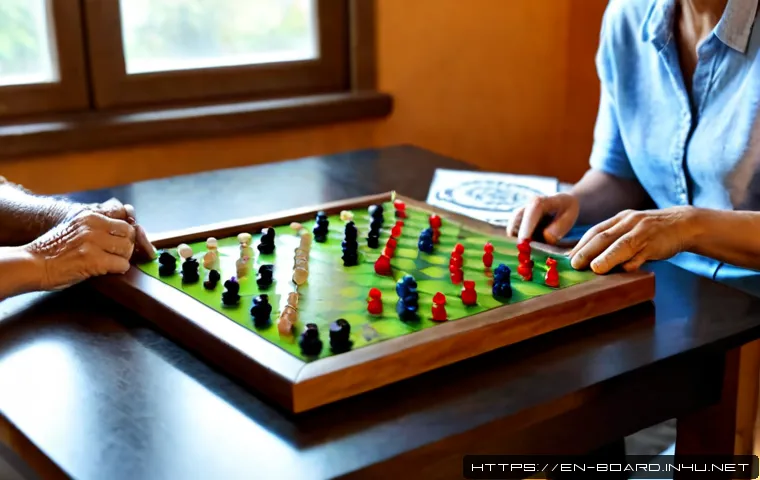
For a small casual group, a simple home setup may be enough; for a larger or less experienced group, a board game café, private venue, or facilitator can reduce hosting pressure.
The theme can support cooperation, competition, exploration, resource management, or a mix of all four. The practical choice is not only about the game itself—it is also about tables, noise, lighting, food rules, and how much rule teaching your host can handle.
Compare game purchase, rental, venue hire, café fees, and hosted-event packages as separate costs. A clear format helps guests spend more time playing and less time waiting for directions.
At a Glance
- Small casual groups: Choose a DIY home game night with an accessible cooperative or mixed-play survival game.
- Large groups: Consider a board game café, private event venue, or facilitated package with enough tables and clear hosting support.
- First-time players: Prioritize short rules explanations, low waiting time, and games without early player elimination.
| Event Format | Best When | Main Value | Points to Confirm |
|---|---|---|---|
| Home setup | Your group is small and comfortable with a flexible schedule | Maximum control over the game list, food, and pace | Table space, seating, lighting, game ownership, cleanup |
| Board game café | You want access to a game library without buying every game | Convenient setting and possible game recommendations | Café fees, booking rules, food policy, group capacity |
| Private venue rental | You need dedicated space for a larger social or competitive event | More room for multiple tables and a structured schedule | Venue hire terms, table size, noise limits, permitted activities |
| Facilitated event package | Rules are complex, time is limited, or the group is large | Rule teaching, pacing, and organized group management | Included games, host role, setup details, and package conditions |
What Makes a Survival-Themed Game Night Work
Match the survival theme to cooperative, competitive, or mixed-play preferences
“Survival” can mean very different things at the table. Some groups want to work together against a harsh situation, while others prefer competing for limited resources, territory, or the best final score. A mixed-play format can work too, but it needs clear expectations so guests know whether they are allies, rivals, or both.
For a friendly social gathering, cooperation often makes introductions easier because players can discuss choices together. Competitive play can fit a challenge-focused night, but it may create longer waits if the game includes elimination. Before selecting a game, tell guests whether the event is relaxed, strategic, team-based, or tournament-style.
Start with player count, time limit, and experience level
Player count is the first filter. Check the game’s supported group size before making it the centerpiece of the event. A game that fits a smaller table may require multiple copies, separate tables, or a different activity for a larger attendance list.
Then set a realistic event window. Include arrival time, rules teaching, setup, the game itself, breaks, and a closing activity. Complexity matters just as much: experienced tabletop players may enjoy detailed resource decisions, while newcomers may prefer a game that lets them make meaningful choices without learning many exceptions.
Three quick format recommendations for casual, dedicated, and large groups
Casual group: Use one approachable game, a short explanation, and a backup activity for guests who arrive early or finish first.
Dedicated game group: Choose a deeper survival or exploration experience, but share the expected rules weight and time commitment before people RSVP.
Large group: Plan multiple tables, table captains, or a facilitator. A hosted group activity may be easier than asking one volunteer to teach several games at once.
Compare Event Formats, Costs, and Value
Home setup versus board game café versus rented private venue
A home setup offers flexibility, but the host handles seating, components, food, cleanup, and rule questions. A board game café may be useful when access to a game library matters more than owning a particular title. A private event venue can make sense when the group needs dedicated space, multiple tables, or a more formal team event atmosphere.
Do not choose a space based on capacity alone. Confirm usable table space, chairs, lighting, noise level, restroom access, food rules, and whether separate groups can hear their own rules explanation. A room can fit people while still being a poor fit for board games.
Buying games, renting games, or booking a facilitated session
Buying a game gives you long-term access and time to learn it before the event. Renting can be practical when you want variety without building a large collection. A facilitated session can add value when a host needs help with explanation, setup, timing, or group management.
Compare these choices separately. Game ownership, game rental, café fees, venue hire, and hosted-event packages are not interchangeable costs. A lower venue cost may still require game purchases, while a facilitated package may include elements that would otherwise take substantial host preparation.
If you are comparing board game rentals or facilitated event packages, review the game list, group-size suitability, setup responsibility, and the exact services included on the provider’s page.
Budget categories to confirm before collecting payments
Separate your plan into fixed costs and per-person costs. Fixed costs may include venue hire, a game purchase, or a booking deposit. Per-person costs may include café entry, food, drinks, rental access, or a hosted activity fee. This makes it easier to adjust if attendance changes.
Also clarify who covers optional extras. Prizes, photography, food, alcohol, and additional activities may have separate rules or charges. Avoid collecting money until you have confirmed attendance expectations and venue conditions.
Choose Games That Fit the Group
Short and accessible options for newcomers
For beginners, look for survival-themed games with a clear objective, limited setup friction, and turns that keep everyone involved. Resource management can be engaging when players understand what resources do and why choices matter. The best beginner option is not necessarily the simplest-looking box; it is the game your host can explain clearly.
Ask a practical question: Can a new player make a useful decision shortly after the explanation ends? If the answer is no, consider a more accessible choice or split the group into smaller tables with experienced teachers.
Strategy-heavy options for experienced tabletop players
Experienced players may enjoy a longer survival format involving exploration, planning, uncertainty, and difficult resource tradeoffs. These games can be memorable, but they need a suitable venue window and guests who are comfortable committing to the full session.
Send a short event note in advance: expected complexity, approximate session structure, cooperative or competitive format, and whether players should arrive early for rules. This is especially useful when booking a private event venue or organizing a dedicated game night.
Avoiding elimination mechanics that leave guests waiting
Elimination can create tension, but it can also leave a guest watching for a long time. If the event includes competitive survival mechanics, decide how eliminated players will stay engaged. You might offer a backup game, a separate table, or a format with rounds rather than one long all-or-nothing session.
Waiting time is part of the event design. A game can be excellent for a committed tournament group and still be a poor choice for a mixed social gathering.
Run the Event Smoothly From Arrival to Final Round
Prepare rules explanations, tables, components, and backup activities

Set up tables before guests arrive when possible. Sort components, check that necessary pieces are present, and place a simple rules reference where players can see it. A prepared host spends less time searching through boxes and more time helping guests understand the game.
Keep the explanation focused on the first decisions players need to make. Explain the win condition, turn flow, major resources, and any rule that could create confusion early. Save minor exceptions until they become relevant.
Set fair timing, scoring, and prize expectations
State the format at the beginning. If scoring matters, explain how ties, incomplete games, and time limits will be handled. If prizes are planned, describe them as optional event extras rather than a reason to pressure guests into a format they may not enjoy.
A timed final round can help keep the event on schedule, but only when players know the timing rule beforehand. For a casual group, finishing at a natural stopping point may be better than forcing a rushed conclusion.
Handle late arrivals, uneven skill levels, and early game endings
Late arrivals are easier to manage when you have a short side game or a second table ready. For uneven experience levels, pair newer players with supportive teammates or place an experienced player at each table. Avoid turning one knowledgeable guest into the permanent rulebook reader for everyone else.
If a game ends early, use the time for a lighter backup activity, a rematch, or informal discussion. A flexible schedule is more valuable than padding the night with an overly long game that does not suit the group.
Adjust the Plan for Different Event Goals
Casual social gathering
Keep the focus on conversation and shared decisions. Choose accessible games, allow flexible arrival times, and make food or breaks work around the tables rather than interrupting key turns. Home hosting or a board game café can both work well if the group is modest in size.
Competitive challenge or tournament-style format
A competitive format needs clearer structure. Define rounds, scoring, tie handling, and what happens when a player is eliminated. Check whether the venue permits prizes, photography, or other tournament-style details before announcing them.
For this format, a private venue rental may be helpful if you need several tables and a consistent schedule. It is still important to match the game’s complexity to the time available.
Team-building or hosted group activity
For team-building, cooperation and communication usually matter more than identifying a single winner. Consider a facilitator when the group is large, unfamiliar with modern board games, or working within a limited time slot. A good hosted option can reduce the burden on the organizer and help the activity start promptly.
Confirm whether the facilitator provides the games, teaches rules, manages teams, and handles final scoring. Those details affect the value of an event planning package.
Selection Criteria and Comparison Summary
Choose a format by checking these decision points before booking a space or buying games:
- Group size: Does the selected game support everyone, or will you need multiple tables?
- Experience level: Can your guests comfortably learn the game in the available time?
- Event length: Does the schedule include setup, teaching, breaks, and a proper finish?
- Venue fit: Are table size, lighting, noise, and food rules suitable for tabletop play?
- Hosting capacity: Can you teach and manage the session, or would a facilitator be useful?
Choose DIY hosting when flexibility matters most. Choose a board game venue when convenience and game access matter most. Choose a hosted option when rules complexity or group size exceeds your comfort level. For rentals, venue hire, and facilitated packages, check the official details and conditions on the relevant provider page before committing.
Final Thoughts
A strong survival-themed board game event is built around the group, not just the theme. Start with attendance, experience level, time, and venue needs, then choose games that support those limits. Keep costs separated so you can compare a home setup, café visit, venue booking, and facilitated session fairly. Clear expectations make the event easier for both hosts and guests.
Useful Information to Keep in Mind
Bring a backup activity: It helps with early arrivals, late starts, and unexpected game endings.
Check the rules in advance: A short host practice session can prevent a long explanation at the table.
Plan for comfort: Adequate lighting, seating, and table room often matter as much as the game choice.
Important Considerations
Local venue availability, café fees, rental options, hosted-event rates, and permitted activities vary. Confirm the actual player limit, complexity, playtime, setup requirements, food policy, and group rules for your selected game and location. The right choice also depends on guest ages, attendance, desired duration, and whether the event is social, competitive, or team-focused.
Frequently Asked Questions
Q1. How much does it cost to host a survival-themed board game event?
A1. Costs depend on your format. Compare game ownership or rental, board game café fees, private venue hire, food, optional prizes, and facilitated event packages as separate items. Confirm fixed costs and per-person costs before collecting payments.
Q2. What type of survival board game is best for beginners?
A2. A beginner-friendly choice has a clear goal, manageable rules explanation, and limited waiting time between turns. Cooperative or mixed-play games can be a comfortable starting point when new players prefer shared decisions over direct competition.
Q3. Is a board game café or a private event venue better for a large group?
A3. A board game café may be better when game access and convenience are the priority. A private venue may be better when you need dedicated tables, more control over timing, or space for multiple groups. Confirm capacity, table layout, noise conditions, and booking terms before deciding.