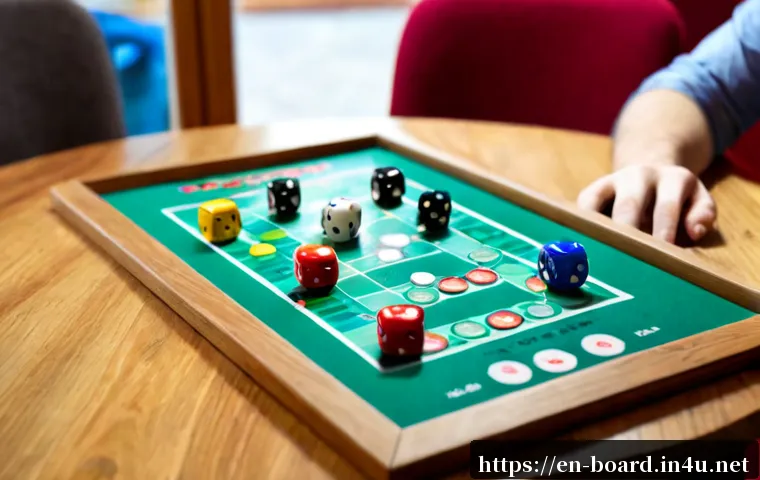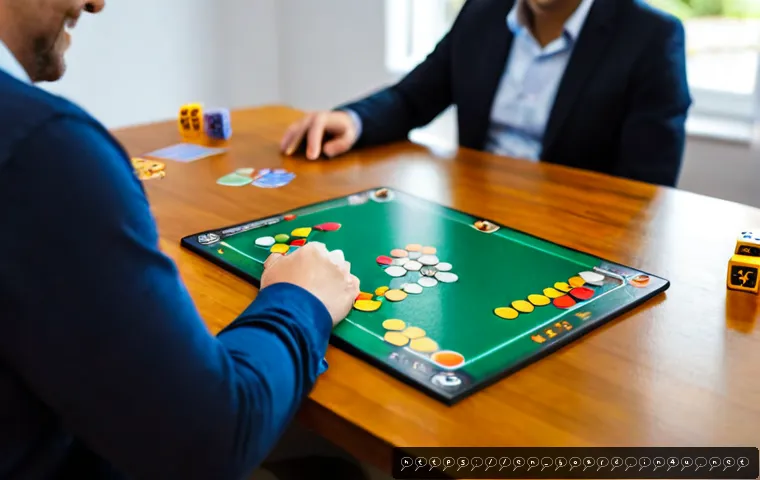
The best board game industry interview format depends on what your audience needs: use written Q&As for searchable insights, audio for deeper conversations, video for demonstrations, and live sessions for timely community discussion.
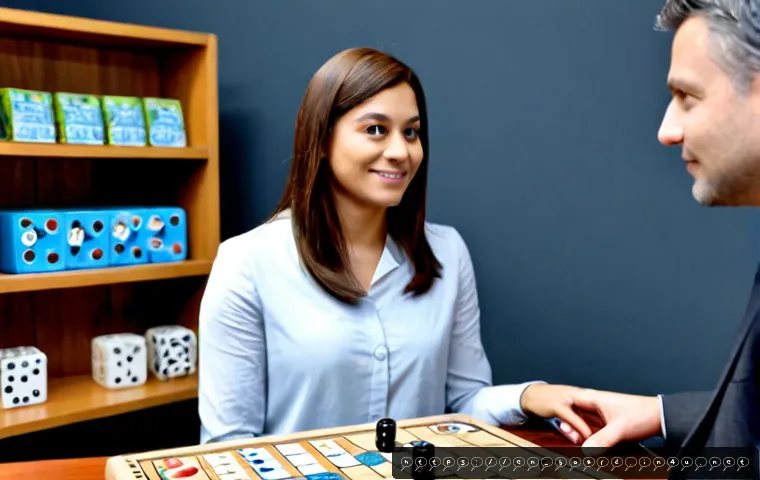
Start with one practical audience question, then choose a recording and editing setup that matches your workload rather than chasing a polished format you cannot sustain.
A strong interview gives readers useful decisions about design, publishing, retail, marketing, or community building. It should not become a guest biography or an unedited promotional pitch.
Solo creators can often begin with written interviews or simple remote audio, while publishers and media teams may benefit from video, transcription, freelance editing, or PR coordination when the production workload grows.
Professional support can improve consistency, but it does not guarantee coverage, sales, crowdfunding interest, or partnerships. Clear permissions, accurate attribution, and focused follow-up questions matter in every format.
At a Glance
- Written Q&As suit searchable, quote-led board game industry insights and give you strong editing control.
- Audio and video interviews can show personality, process, prototypes, and components, but require more production planning.
- Choose recording, editing, transcription, and distribution support based on audience needs, time, and workload, not promises of exposure.
| Format | Best Use | Typical Tool Needs | Editing Workload | When Outsourcing May Help |
|---|---|---|---|---|
| Written Q&A | Searchable advice, clear quotes, controlled revisions | Research notes, email or document workflow, images if approved | Moderate: structure, clarity, fact checking | Copy editing, transcription from a call, layout support |
| Audio Podcast | Long-form process, personality, nuanced discussion | Microphone, remote recording software, audio files | Moderate to high: cleanup, pacing, show notes | Podcast editing, audio cleanup, transcription |
| Video Interview | Prototypes, components, demonstrations, social clips | Camera, lighting, microphone, recording platform | High: cuts, captions, graphics, exports | Video production, captioning, clip editing |
| Live or Convention Interview | Timely community engagement and event coverage | Portable recording gear, live platform, backup plan | Variable: live moderation plus post-event highlights | On-site audio, streaming help, post-production |
What Makes a Board Game Industry Interview Worth Reading or Watching?
A useful tabletop interview answers a question your audience already has. The guest may be a designer, publisher, retailer, reviewer, event organizer, or community builder, but their job title is not the story. The story is the practical lesson: how a playtesting choice changed a design, how a publisher approached a launch decision, or what a retailer considers when evaluating local demand.
Start With a Clear Audience Question, Not a Guest’s Résumé
Before sending an invitation, write one sentence that explains why the interview matters. For example: “How does a designer decide which playtest feedback to act on?” This approach gives the guest a useful frame and keeps the interview from drifting into a list of past projects. A short introduction is enough; save the limited attention of readers and listeners for the decisions behind the work.
Focus on Lessons About Design, Publishing, Retail, Marketing, or Community Building
Board game industry interviews are strongest when they move from broad statements to specific process. Ask how a guest evaluates feedback, prepares a prototype for demonstration, handles a distribution conversation, plans community updates, or chooses a channel for promotion. You do not need confidential details to create value. A thoughtful explanation of criteria, trade-offs, and lessons learned can be more useful than a list of announcements.
Three Quick Takeaways for Readers Who Need an Immediate Answer
- Ask questions that reveal decision-making, not just achievements.
- Match the format to the subject: text for clarity, audio for depth, and video for visual proof or demonstration.
- Confirm claims, quotes, permissions, and review expectations before publishing.
Choose the Right Interview Format Before You Invite a Guest
The interview format affects guest preparation, your production schedule, and how the final piece can be discovered. Decide early whether the audience needs a reference article, a conversation, a visual demonstration, or a timely event moment. A format that fits your available time is usually more valuable than an ambitious setup that delays publication.
Written Q&A: Best for Searchable, Quote-Led Insights
A written interview works well when readers may want to scan for specific answers about game publishing, prototype development, retail strategy, or marketing workflow. It can be conducted by email, from a recorded conversation, or through a shared document. Written editing gives both sides a chance to improve clarity, but do not rewrite answers until they no longer reflect the guest’s viewpoint. Confirm whether quotes can be lightly edited and whether the guest expects a factual review.
Audio Podcast: Best for Personality, Process, and Long-Form Discussion
Audio is useful when tone, hesitation, enthusiasm, and follow-up questions add context. It can help listeners understand how a creator thinks through design and business choices. The trade-off is production work: recording quality, file handling, cleanup, episode structure, and show notes all need attention. If raw audio regularly slows your publishing schedule, a freelance podcast editor or transcription service may be worth comparing.
Video Interview: Best for Prototypes, Components, Demonstrations, and Social Clips
Video can be a good fit when the guest needs to show a board layout, prototype component, game setup, or production sample. It can also provide short clips for social distribution. However, visible clutter, weak lighting, unclear sound, and awkward screen sharing can distract from a good conversation. Use video because the visual material supports the lesson, not simply because video appears more professional.
Live Stream or Convention Interview: Best for Timely Community Engagement
A live stream or convention-floor interview can create a timely connection with the tabletop community. It also introduces extra uncertainty: background noise, schedule changes, audience moderation, and limited opportunities to correct mistakes. Prepare a compact question list and a backup way to capture audio. If the discussion includes a new product, sponsorship, licensing issue, or announcement, confirm what can be discussed publicly before going live.
Build Better Questions for Designers, Publishers, Retailers, and Creators
Good questions invite a guest to explain a choice, a constraint, and a result without forcing them to disclose private business information. Keep a prepared structure, but leave room for follow-ups. If an answer is vague, ask for the criterion behind it: “What helped you decide that?” or “What would you check first next time?”
Questions About Product Development and Playtesting
- What player behavior were you trying to understand during playtesting?
- How did you separate one player’s preference from feedback that suggested a broader design issue?
- What changed after you watched players interact with the prototype?
- Which part of the design process required the most revision, and why?
Questions About Manufacturing, Distribution, and Retail Decisions
- What questions did you need answered before choosing a production or distribution approach?
- How do you explain a game’s audience and shelf appeal to retail partners?
- What information helps you decide whether a component choice supports the product experience?
- What should a first-time publisher clarify before discussing a business arrangement?
Questions About Crowdfunding, Marketing, and Community Management
- What kind of update or content helps your community understand the project’s progress?
- How do you decide which marketing message belongs in a product page, newsletter, video, or social post?
- What questions from supporters or players deserve a clearer public answer?
- How do you maintain useful communication without making promises you cannot verify?
Questions to Avoid When They Invite Vague Promotion Instead of Useful Detail
Questions such as “Why is your game the best?” or “What makes your company amazing?” usually encourage broad promotional language. Replace them with questions about criteria, process, limitations, and lessons. Also avoid pushing a guest to reveal unpublished plans, confidential commercial terms, or claims they cannot support. A respectful interview protects both credibility and future access.
Plan the Production Workflow and Avoid Common Interview Mistakes
Production quality starts before the recording or written exchange. A simple workflow reduces avoidable corrections later: research the guest, define the topic, agree on logistics, prepare questions, record or collect answers, verify key statements, edit for readability, and confirm final publication details.
Confirm Topic Boundaries, Attribution, Recording Consent, and Review Expectations
Do not assume that a guest is comfortable with every format. Confirm whether the conversation is being recorded, how they will be identified, whether images or product footage can be used, and whether they expect a review for factual accuracy. Permission requirements can differ by person, platform, event, or organization, so they should be checked directly rather than guessed.
Prepare a Research Brief and Flexible Follow-Up Questions
Create a short research brief with the guest’s relevant work, your audience question, key terms to verify, and potential follow-ups. This is not a script. It is a way to listen more carefully. If a publisher mentions a launch decision, ask what information mattered most. If a retailer describes local demand, ask what signals they watch rather than assuming the same conditions apply everywhere.
Avoid Poor Audio, Overlong Introductions, and Unverified Claims
Listeners will often forgive a simple setup, but they may leave when voices are difficult to hear. Test recording tools, use headphones when practical, and capture a brief sample before the full session. Keep your opening short, identify the topic, and begin the conversation. For written, audio, and video interviews, verify names, game titles, dates, quoted claims, and links before publication.
When Professional Editing, Transcription, or Remote Recording Support May Save Time
DIY production is sensible when you have a repeatable workflow and enough time to edit carefully. Outside help may be useful when sound cleanup, captioning, transcription, clip creation, or formatting is preventing consistent publishing. Compare freelance editing, remote recording support, and agency-style production by deliverables, revision process, ownership terms, and workload. Do not treat a production service as a guaranteed path to media coverage or sales.
Match the Interview Style to Your Goal
For a New Board Game Designer Building Credibility
Choose a focused written Q&A or audio conversation around one lesson from prototyping, playtesting, or community participation. Credibility comes from being clear about your process and learning, not from presenting every project as a finished success. A concise format is easier to prepare and repurpose.
For a Publisher Explaining a Launch, Distribution, or Licensing Decision
Use a structured interview that explains the reasoning behind a decision without exposing confidential details. Written text can support precise wording, while video can help if component choices or product presentation are central. Confirm boundaries in advance, especially when discussing partnerships, distribution, or licensing.
For a Tabletop Media Outlet Seeking Repeatable Content
Create a repeatable editorial format: a short introduction, a consistent set of core questions, a feature section for the guest’s specialty, and a clear close. This makes production easier to manage across written interviews, podcasts, and video. Standardized templates can also help when working with a freelance editor, transcription provider, or video producer.
For a Retailer or Event Organizer Sharing Local Market Insight
Focus on observations that can help creators and players understand the local community without presenting them as universal rules. A live or event-based interview can feel immediate, but written follow-up may be better for detail and accuracy. Ask what the guest sees, how they respond, and what visitors should confirm for their own market.
Selection Criteria and Comparison Summary
Choose the setup that serves the next publishing decision, not the one with the most equipment. Check whether the format supports your audience question, whether your guest is comfortable with it, whether you can protect audio and factual quality, whether editing time is realistic, and whether the final content can be distributed in the places your audience already uses. Compare recording, editing, and distribution options based on your budget and audience; official service pages can clarify current deliverables and terms.
- Choose written interviews when search visibility, quote accuracy, and editing control matter most.
- Choose audio or video when voice, personality, prototypes, or demonstrations add real context.
- Compare DIY and freelance support by time saved, revision needs, and production responsibilities.
- Check permissions for recording, images, product footage, attribution, and factual review.
- Publish for relevance: give readers a practical takeaway and a clear reason to continue exploring the topic.
In Closing
A board game industry interview earns attention when it helps someone make a better next decision. Start with a narrow audience question, select a format you can produce consistently, and prepare questions that reveal process rather than promotion. Strong editing matters, but so do accuracy, consent, and respect for the guest’s boundaries. Over time, a reliable interview workflow can become a useful part of tabletop media, publisher communication, or creator outreach.
Useful Things to Know
1. A transcript can make an audio or video interview easier to scan and quote accurately.
2. A short pre-interview brief can prevent repeated questions and unclear topic scope.
3. Visual interviews benefit from planning what will be shown before recording begins.
4. One well-edited interview can be adapted into a written recap, selected quotes, or short clips when permissions allow.
Important Notes
Interviewee availability, preferred format, compensation expectations, recording permissions, sponsorship terms, and service pricing should be confirmed directly. No interview format or production provider can guarantee sales, crowdfunding results, media coverage, or business partnerships. Review claims carefully and distinguish a guest’s experience from advice that applies to every publisher, designer, retailer, or creator.
Frequently Asked Questions
Q1. What questions should I ask in a board game industry interview?
A1. Ask questions about decisions and process: how a designer used playtest feedback, how a publisher evaluated a launch choice, how a retailer identifies customer interest, or how a creator manages community communication. Follow broad answers with questions about criteria, trade-offs, and lessons learned.
Q2. Is a written board game interview or a video interview better for audience growth?
A2. Neither format is automatically better. Written interviews are useful for search visibility and quote-led reading, while video can be stronger when prototypes, components, or demonstrations need to be seen. Choose based on what your audience needs and what you can produce reliably.
Q3. When is it worth paying for podcast editing, video production, or transcription?
A3. It may be worth considering when technical cleanup, captions, transcripts, or editing delays are limiting the quality or consistency of your output. Compare the workload you remove, the revision process, the deliverables, and the rights or terms involved. Professional support can save time, but it does not guarantee audience growth or commercial results.